
Whole-system duct and dryer vent check with before-and-after photos - you see exactly what came out of your vents
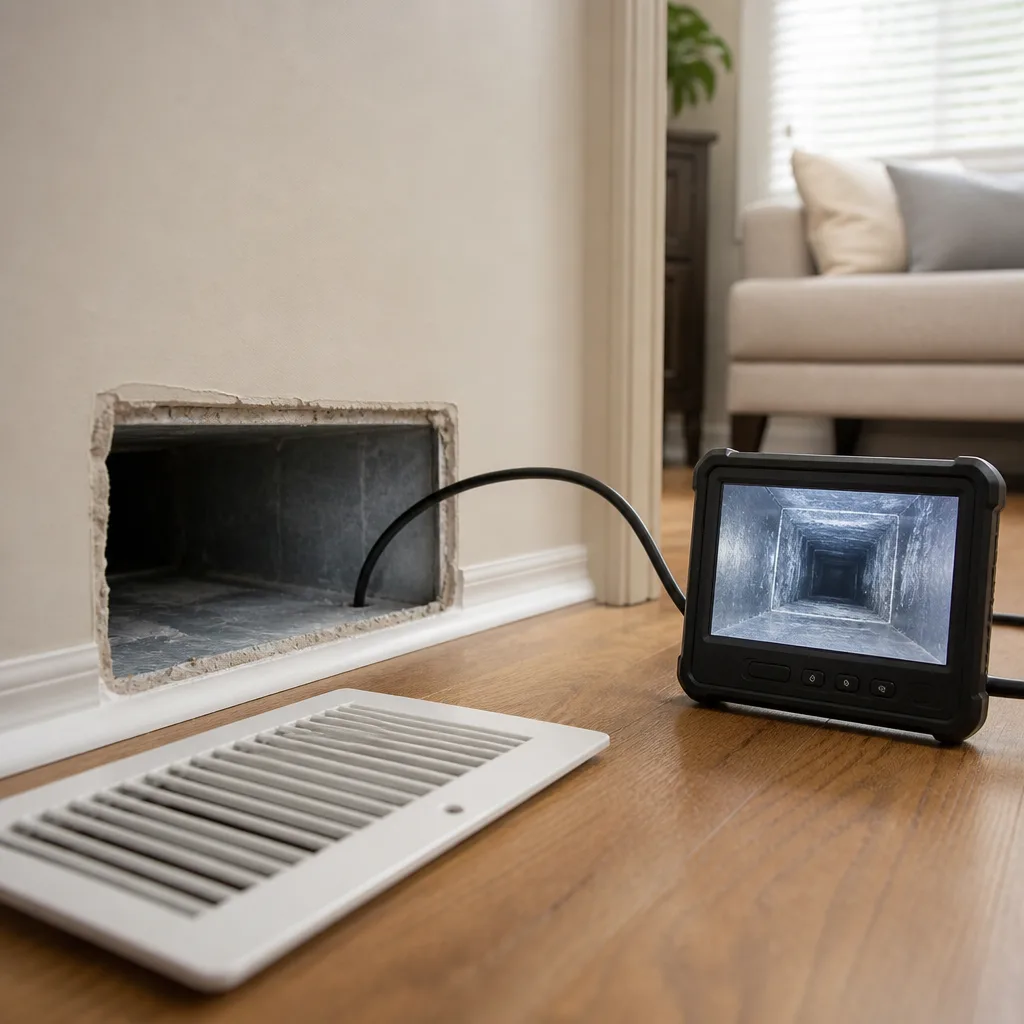
That "$99 whole-house special" is a bait ad - the real number appears once they are in your hallway, or the "clean" is a shop-vac at the register. We photograph the inside of your ducts before and after instead.
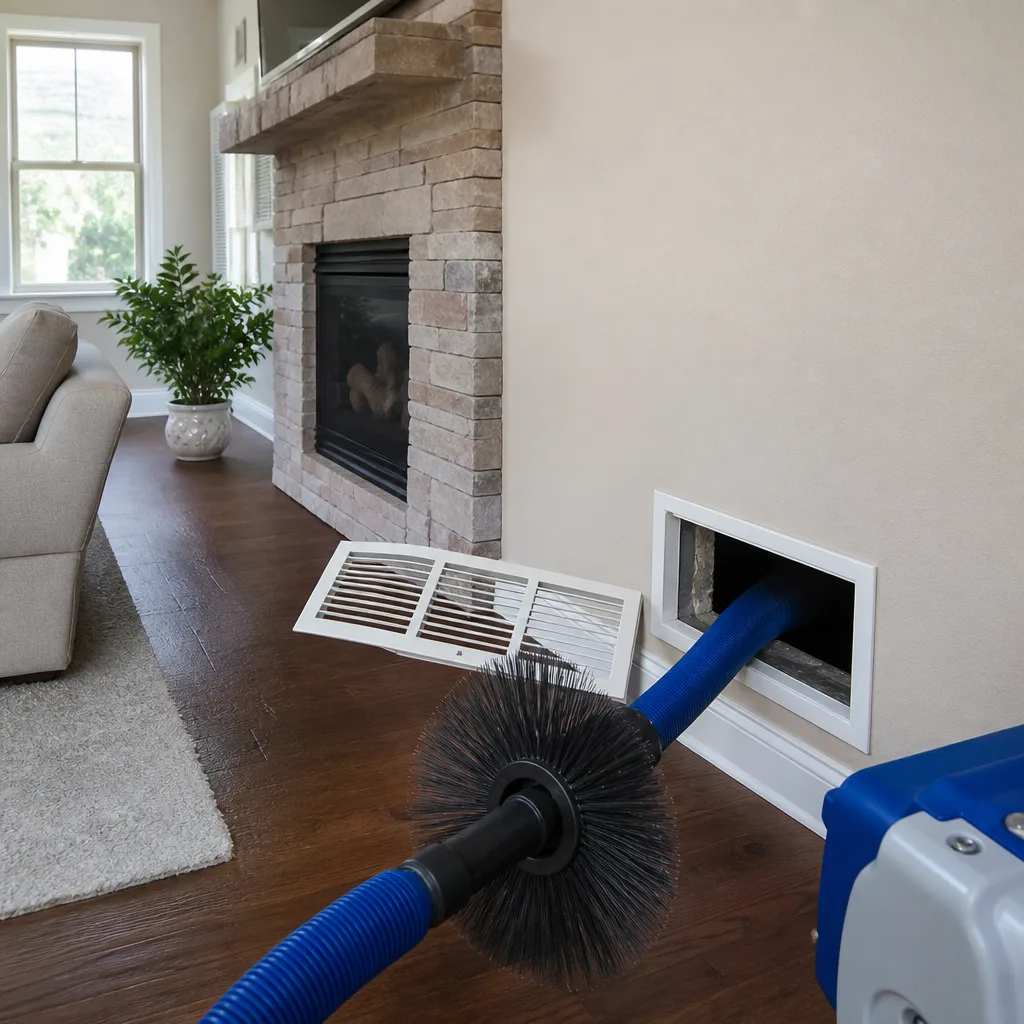
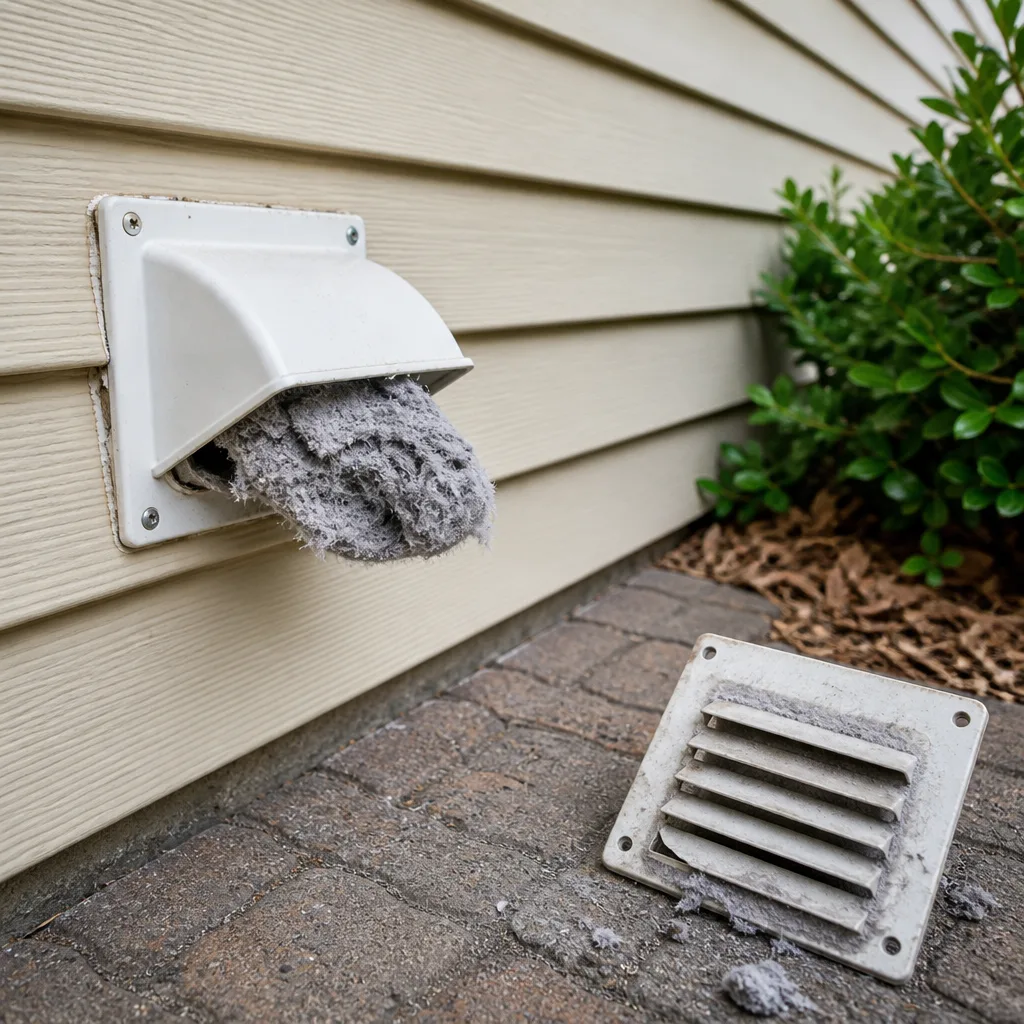
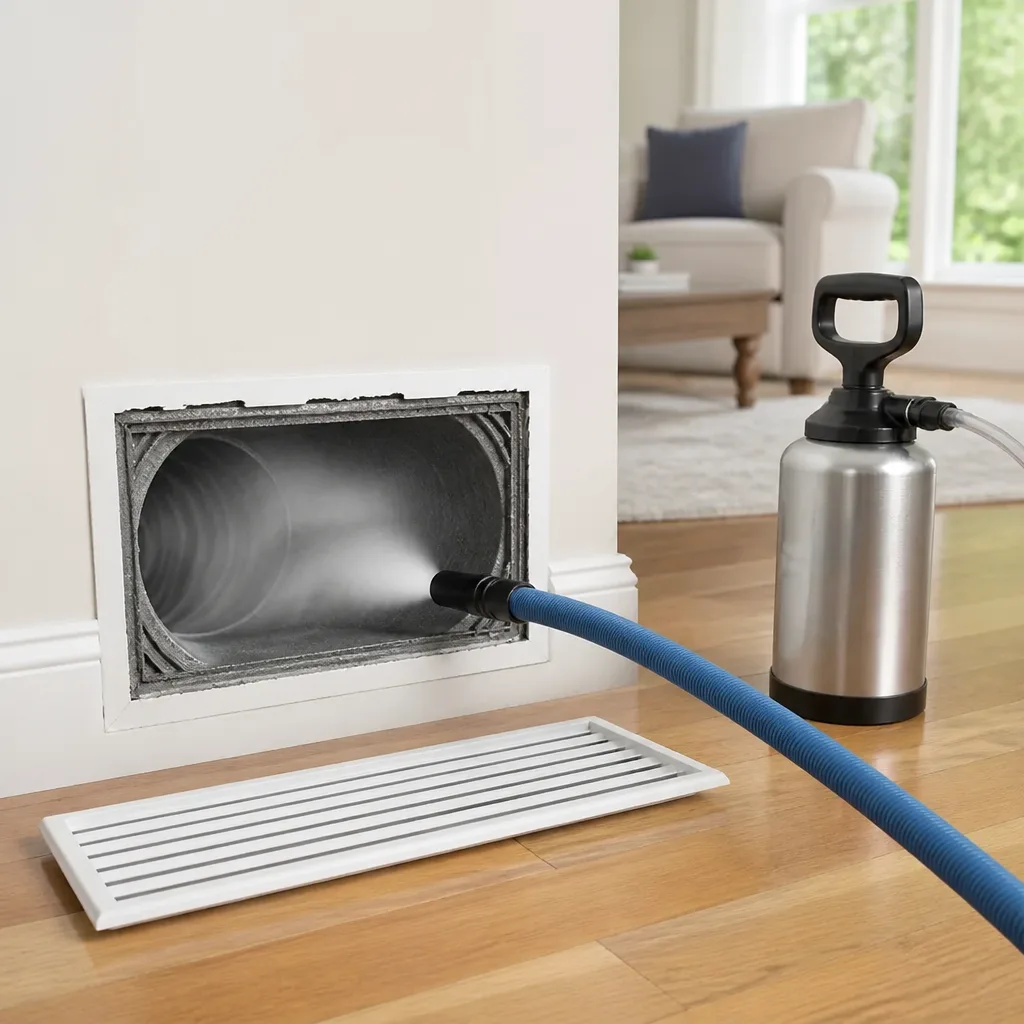
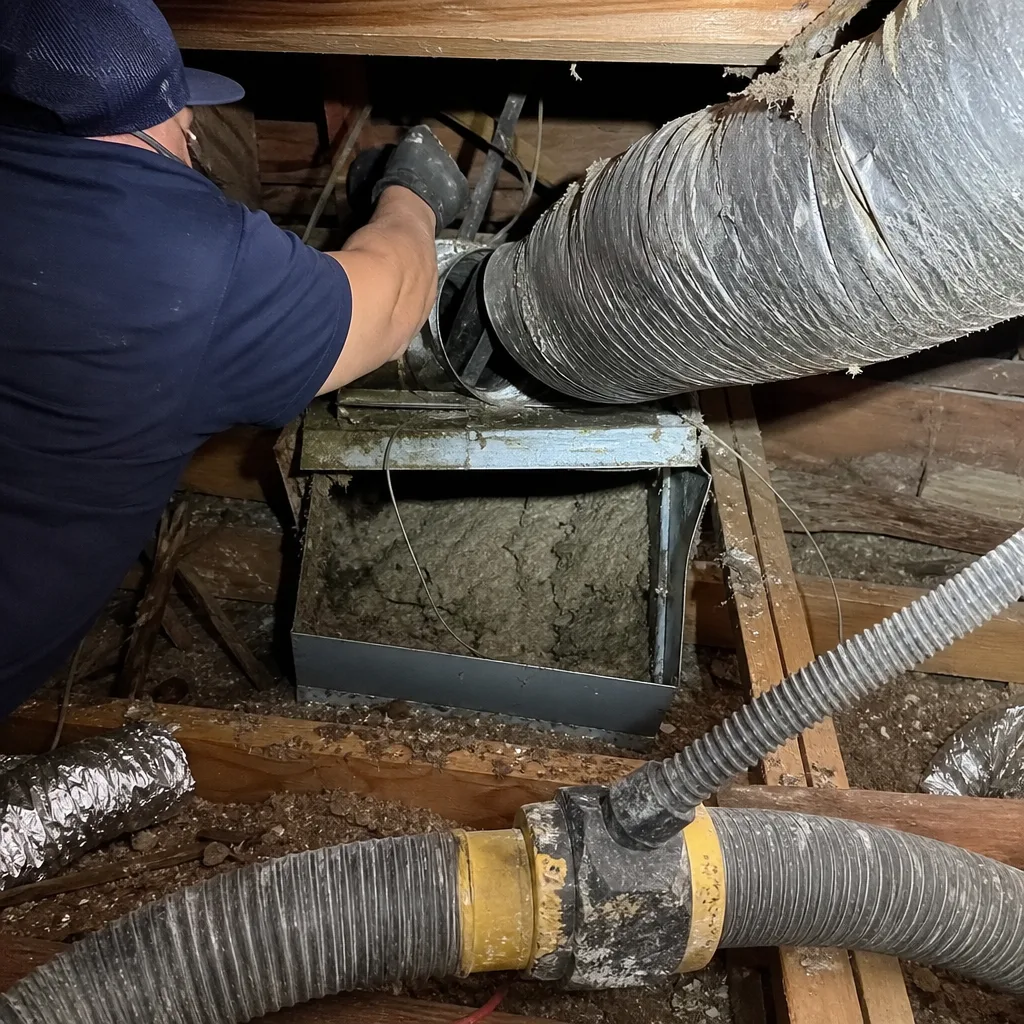 Before
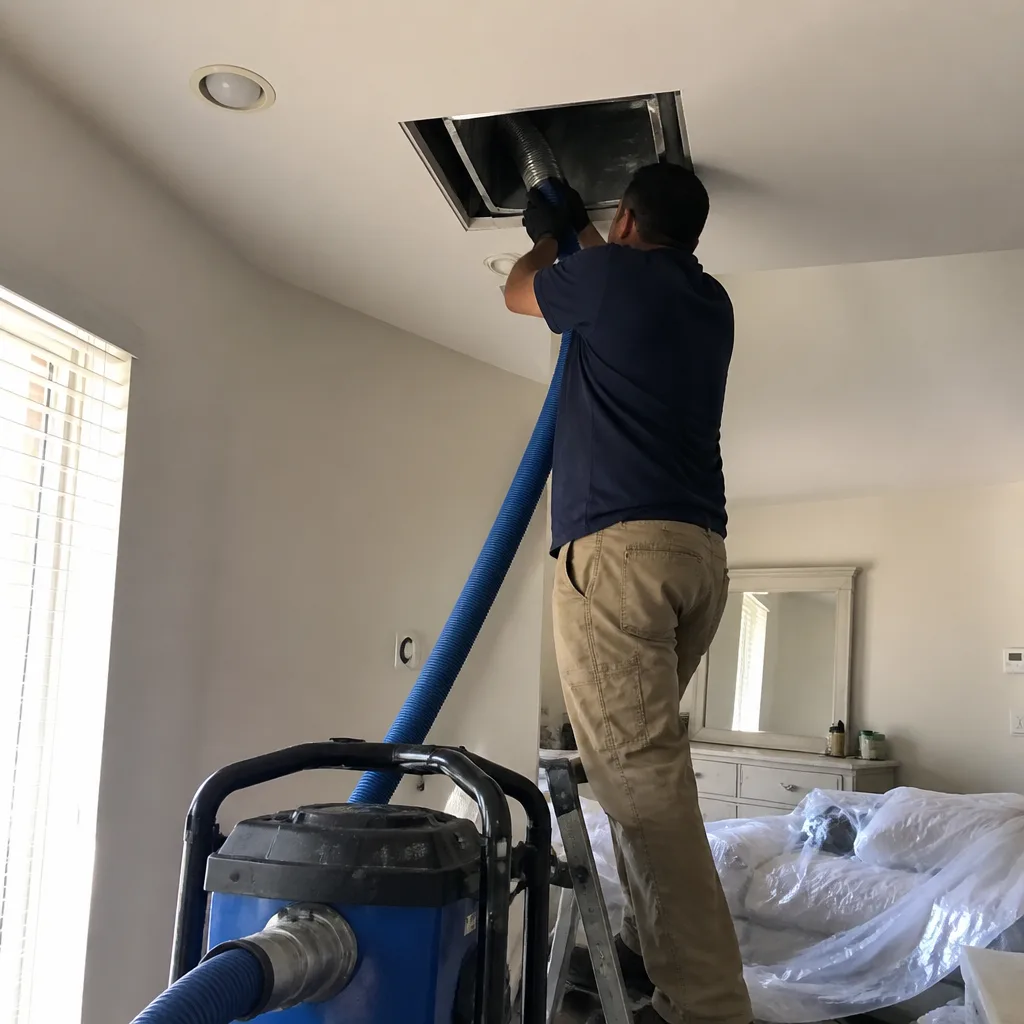 After
After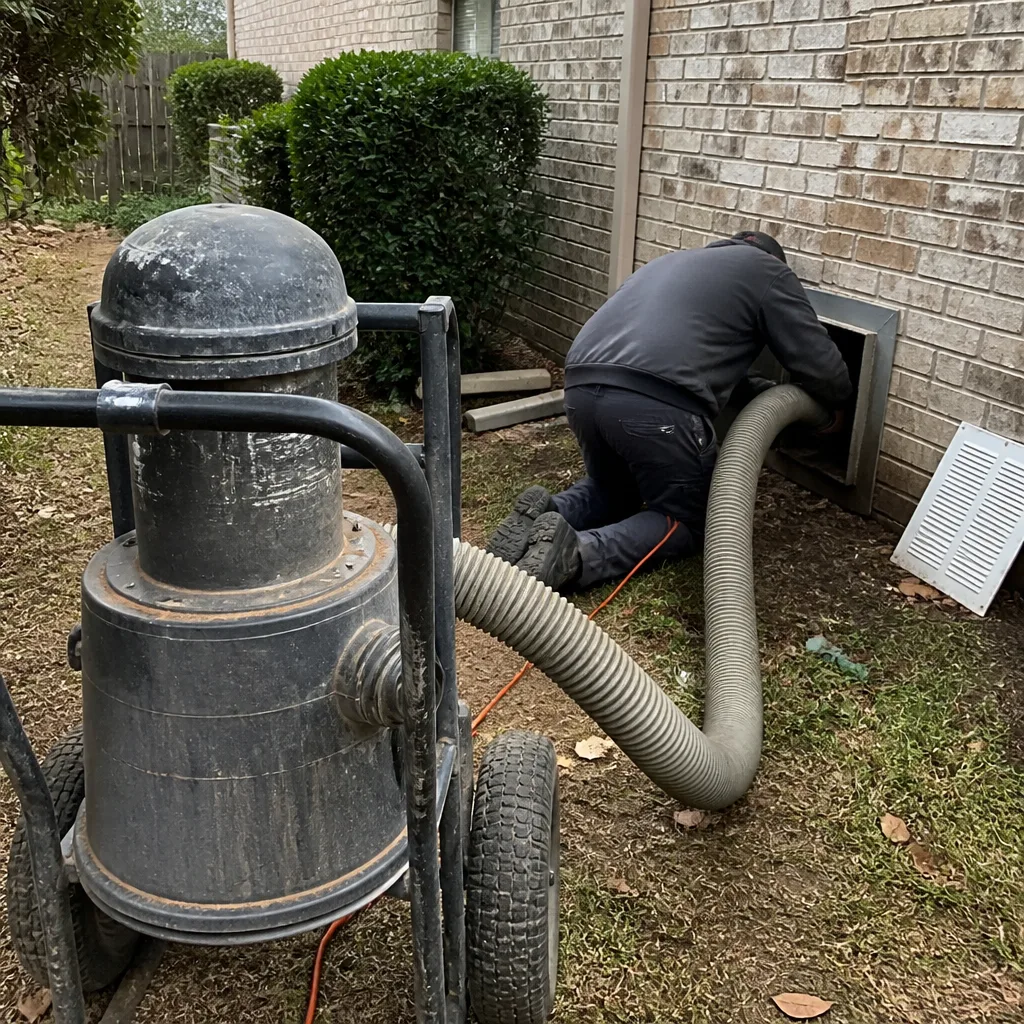 Before
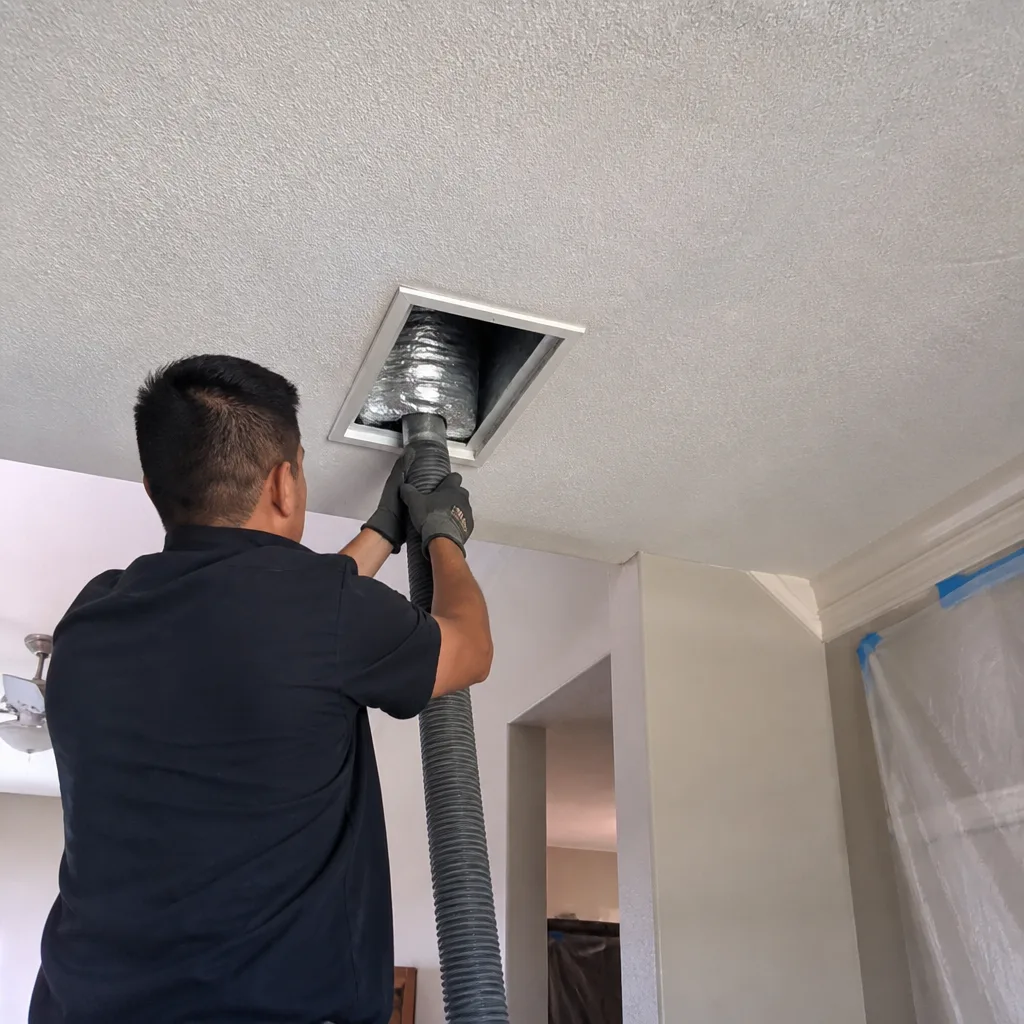 After
After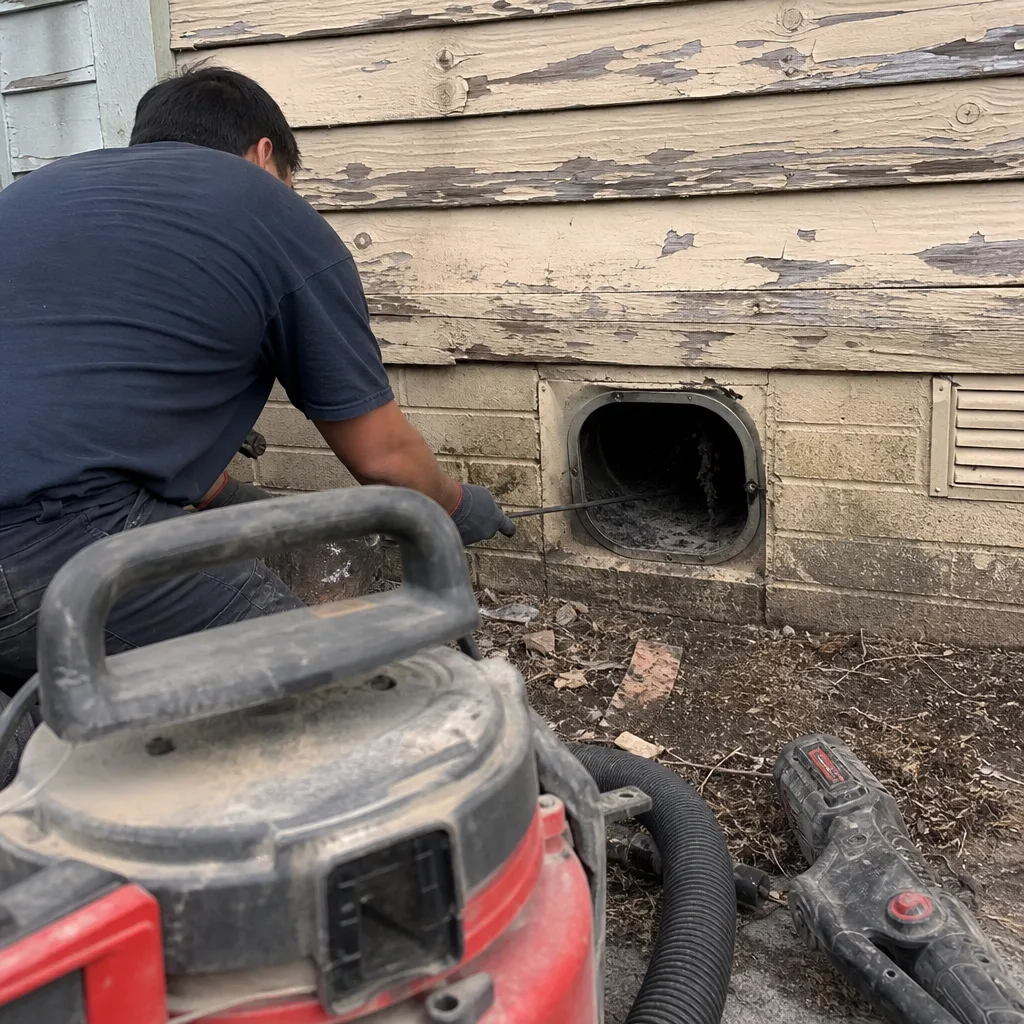 Before
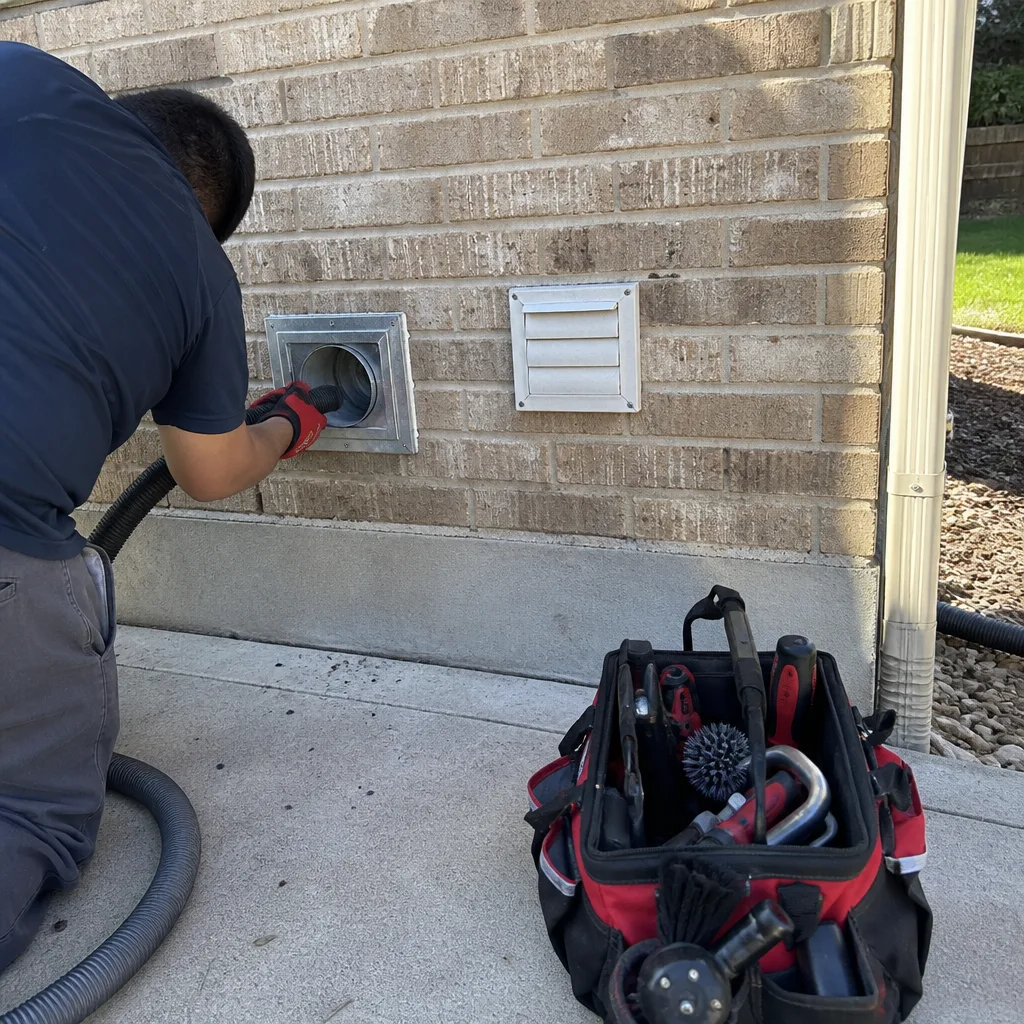 After
AfterHoneywell Coil Cleaning: The Irving Owner’s Guide
We stock and install Honeywell-compatible evaporator and condenser coil cleaning services throughout Irving, with most residential jobs completed same-day and priced between $340 and $580 per system depending on accessibility and contamination level. Our crews carry Rotobrush and Nikro equipment plus Honeywell-approved foaming agents and rinse solutions on every truck, so we’re not making a supply run while your system stays open. Most Irving homeowners discover their coil needs attention when the upstairs never cools below 78 degrees despite the compressor running nonstop, or when they notice a musty, wet-cardboard smell pushing from the registers after the AC cycles off.
Which Honeywell Models This Applies To
Honeywell coils appear across three main residential lines in Irving homes: the Cased N-Coil series (upflow/downflow configurations common in Valley Ranch and Las Colinas builds from 2015-2022), the Multi-Position Slab Coil line, and the uncased A-Coil kits paired with Honeywell furnaces in older MacArthur Ranch properties. The critical compatibility gotcha is the TXV (thermostatic expansion valve) pairing - Honeywell’s newer N-Coils ship with factory-mounted R-410A TXVs, but retrofitting onto a legacy R-22 system requires either a matched conversion valve or full refrigerant recovery and recharge, which changes the scope and the price.
To identify your coil, check the foil label on the downstream end cap for the model prefix: CHPF for cased slab, CAPF for cased A-coil, or CNPF for the N-coil series. The third and fourth digits indicate nominal tonnage (30 for 2.5-ton, 36 for 3-ton, 42 for 3.5-ton). We carry OEM-grade foaming cleaner and aluminum-safe rinse agents that match Honeywell’s fin spacing - 8 to 14 fins per inch depending on series - alongside quality aftermarket equivalents from Guardsman that meet the same corrosion-resistance spec. CleanRun Air Duct Cleaning Irving is an independent service provider, not affiliated with Honeywell, though we follow manufacturer guidelines for fin-straightening tolerance and chemical compatibility.
Signs Your Honeywell Coil Cleaning Is Failing
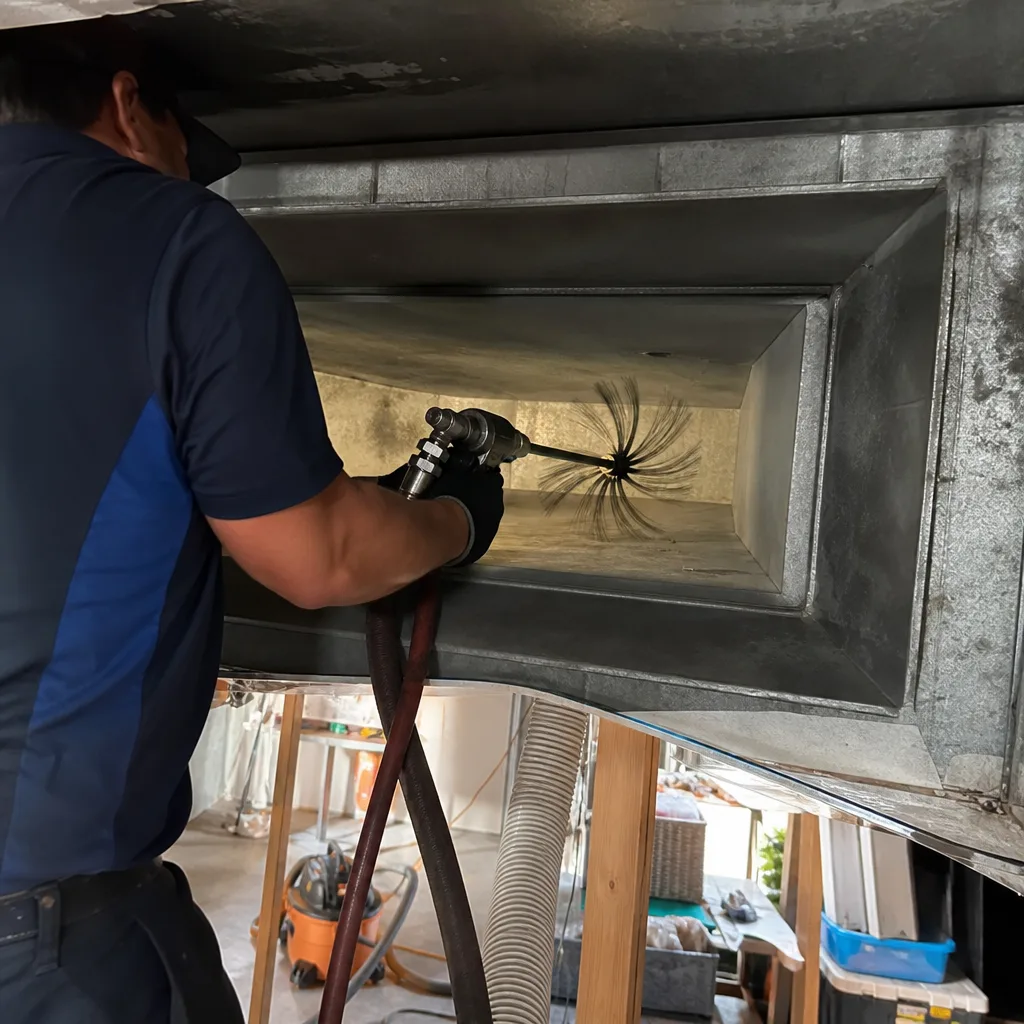
- Frozen evaporator coil visible at the plenum access. Restricted airflow from a clogged coil drops the fin surface temperature below 32 degrees, and the condensate ices over. In Irving’s July humidity, we’ve photographed coils with 2-inch ice jackets that the homeowner assumed was “just working hard.”
- Water stains on the ceiling below the air handler. When the condensate pan overflows because algae and dust have blocked the drain port, the backup follows the path of least resistance. We’ve found this exact pattern in Las Colinas townhomes where the coil hadn’t been accessed since original construction.
- Compressor short-cycling with no temperature drop. The system turns on, pressure builds, and the high-limit switch shuts it down before the thermostat satisfies. A contaminated condenser coil in Irving’s cottonwood season can raise head pressure 15-20 percent, which the compressor wasn’t sized to sustain.
- Unexplained spike in summer electric bills. A coil with embedded debris forces longer run times. We’ve documented cases where cleaning restored the original SEER performance and dropped the monthly bill $40-$80 during peak season.
- Mold-like growth on duct liner near the supply plenum. Organic buildup on the coil becomes a nutrient source. The camera shows it clearly - black or gray streaking on the liner that tracks back to the wet coil surface. The photo doesn’t lie - let’s look at it together before we talk about next steps.
BeforeAfterReplacement Cost & What’s Included
| Service Level | Price Range | What’s Included |
|---|---|---|
| Standard coil cleaning (accessible, moderate debris) | $340 - $420 | System shutdown, coil access, foaming chemical application, pressure rinse, drain pan treatment, before/after photo record |
| Heavy contamination / restricted access | $420 - $580 | Above plus fin straightening, TXV inspection, blower wheel cleaning if needed, extended documentation |
| Condenser coil (outdoor unit) | $280 - $460 | Chemical clean, fin combing, debris removal from cabinet base, refrigerant pressure verification |
The range depends on three factors we assess before quoting: whether the coil is cased or uncased (cased units need panel removal and gasket replacement), the degree of fin corrosion from prior chemical misuse, and whether the blower compartment also needs attention. Haven Standard Clause 1 requires we deliver that written price before any panel comes off - no exceptions. Every coil cleaning includes our Documented Photo Record of the coil surface before and after, plus the 365-Day Done Right Promise in writing. If the coil ices again or the drain backs up due to our workmanship, we return and make it right.
DIY or Call Us?
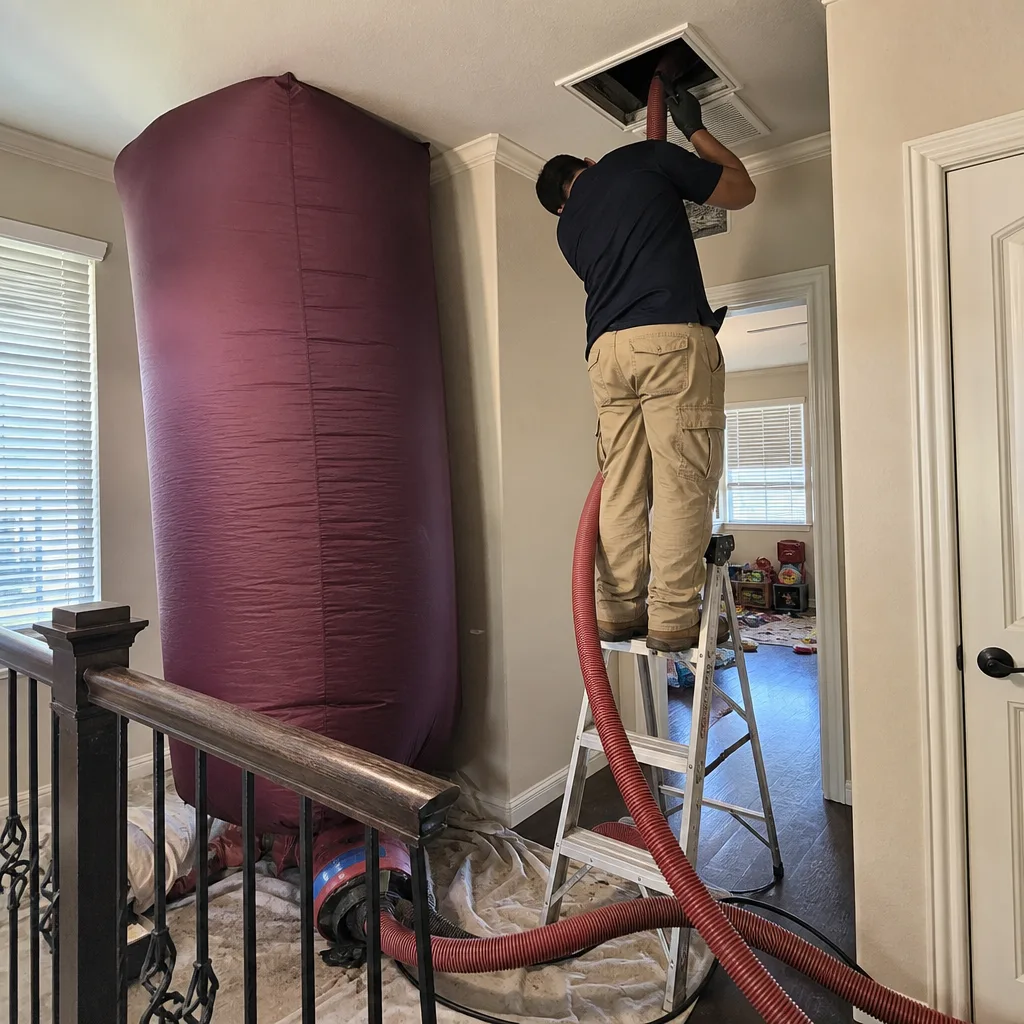
An Irving homeowner can safely check two things: whether the filter is loaded (replace it if you can’t see light through it), and whether the condensate line exit near the exterior foundation is dripping when the AC runs. Beyond that, coil cleaning goes wrong fast. Evaporator coils sit downstream of the blower in a negative-pressure plenum - opening the wrong access panel without killing power to both the furnace and the condenser risks contact with 240V terminals. The foaming cleaners sold at hardware stores are often too alkaline for aluminum fins and will dissolve them over repeated use. And without a proper catch pan and wet-dry recovery setup, you’re flushing biological contamination into the ductwork or the ceiling cavity.
Our crews carry Nikro HEPA vacuums and negative-pressure containment for a reason. If you’ve already got a written estimate from another company, bring it - Haven Standard Clause 5 gives you a Free Second Opinion, and we’ll put our number next to theirs in writing. Call (682) 297-4068.
FAQs
Most residential jobs in Irving run 90 minutes to 2.5 hours, with single-system homes on the shorter end and multi-zone setups in Las Colinas on the longer. We schedule a 3-hour window so the crew isn’t rushing the rinse or the photo documentation. Call (682) 297-4068 to book - estimates are free.
No - once the fins are corroded through or the tubing is breached, cleaning won’t restore heat transfer. We photograph the damage and show you exactly where the coil has failed. If replacement is needed, we quote that separately in writing before any work proceeds.
Every 2 to 4 years for most homes, but annually if you have pets, run the fan continuously, or live near the Trinity River corridor where cottonwood and pollen loads are heavier. We’ve pulled coils in Valley Ranch with 4-year debris buildup that reduced airflow by 40 percent.
Yes - our trucks carry Honeywell-compatible foaming cleaner, aluminum-safe rinse, fin combs for 8-14 FPI spacing, and the Rotobrush agitation tools needed for heavy contamination. We don’t leave for a supply run mid-job.
Written by Tomas Reyes, Owner, CleanRun Air Duct Cleaning Irving at CleanRun Air Duct Cleaning Irving, serving Irving and nearby areas.