
Last updated September 23, 2026
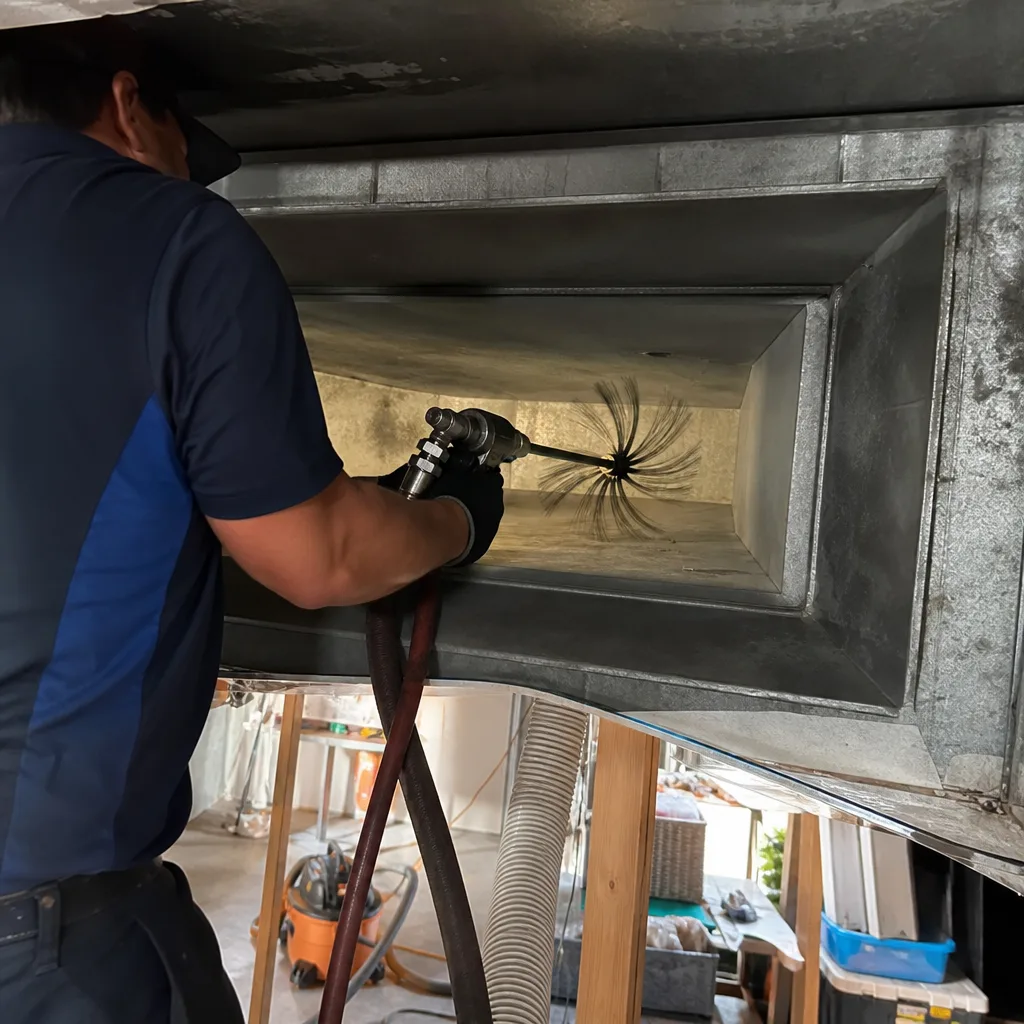
Whole-system duct and dryer vent check with before-and-after photos - you see exactly what came out of your vents
That "$99 whole-house special" is a bait ad - the real number appears once they are in your hallway, or the "clean" is a shop-vac at the register. We photograph the inside of your ducts before and after instead.
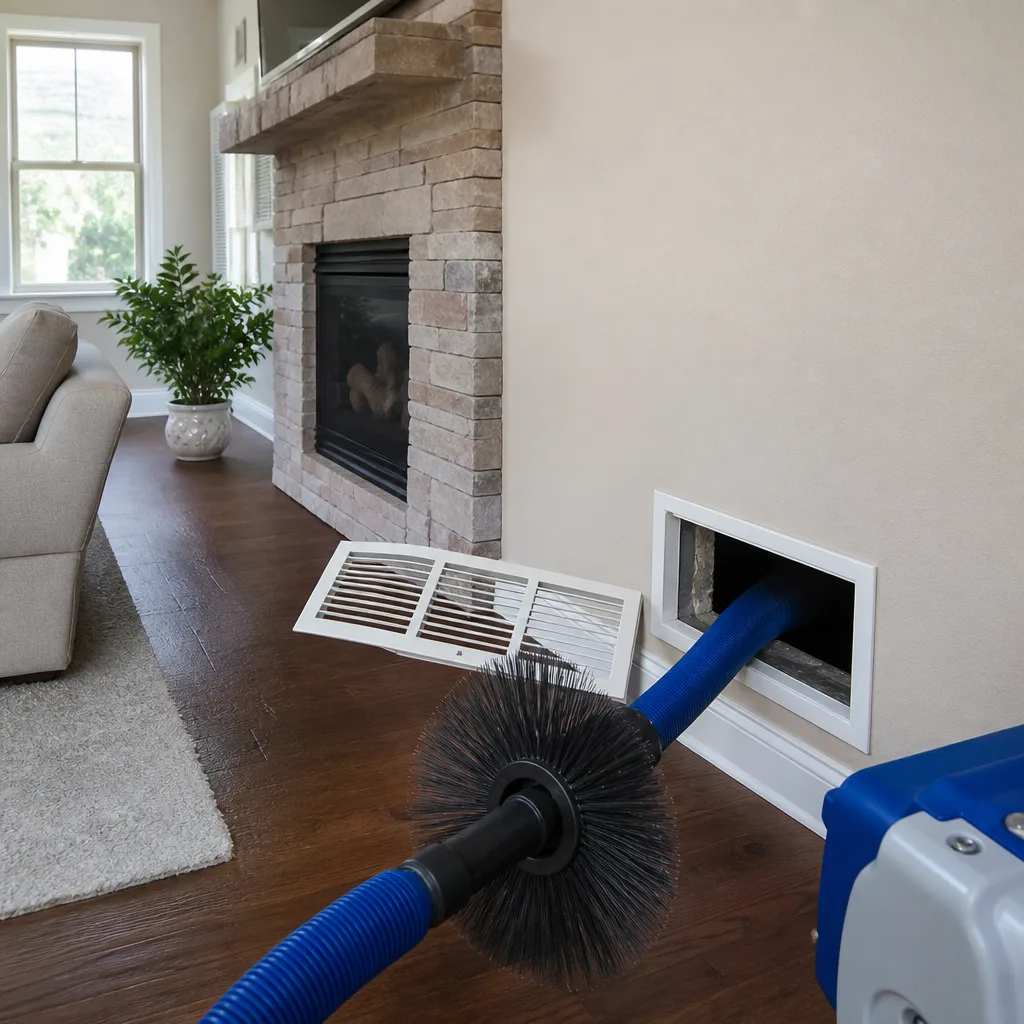
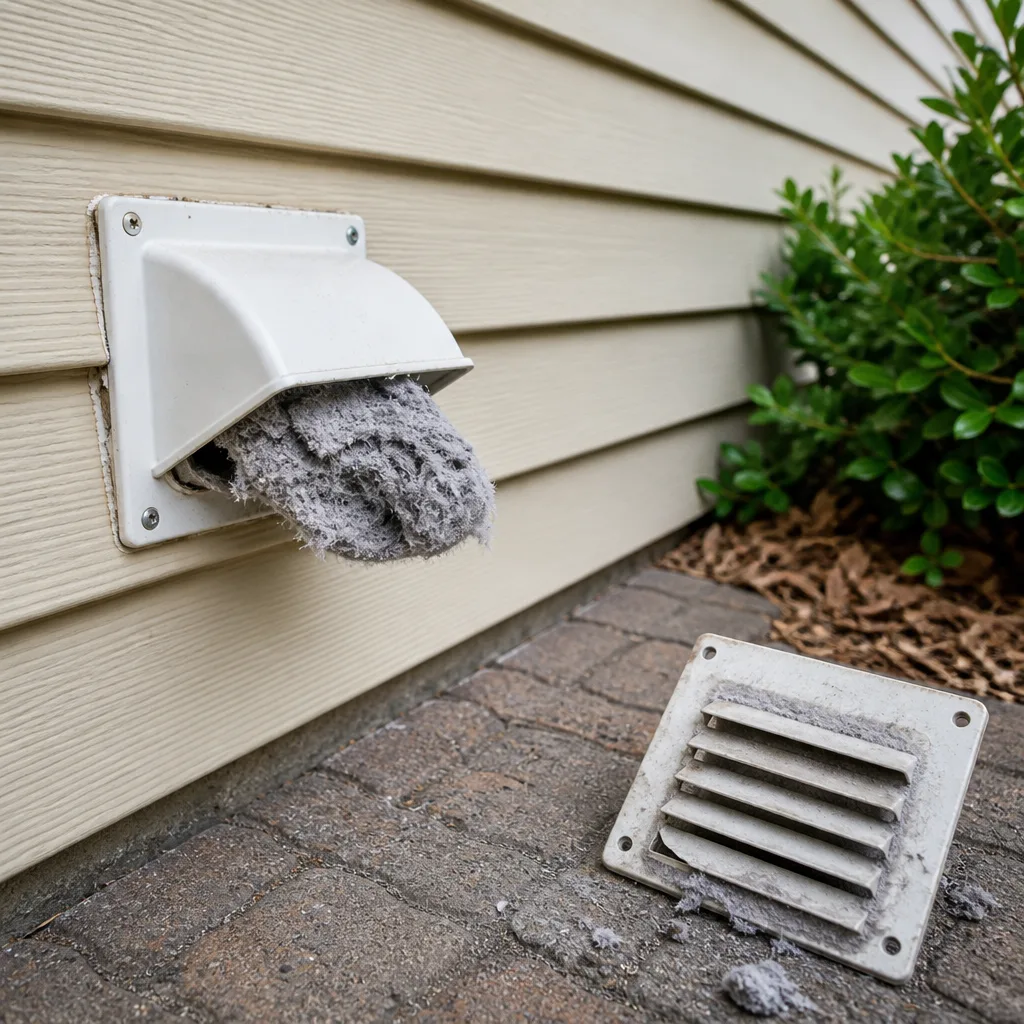
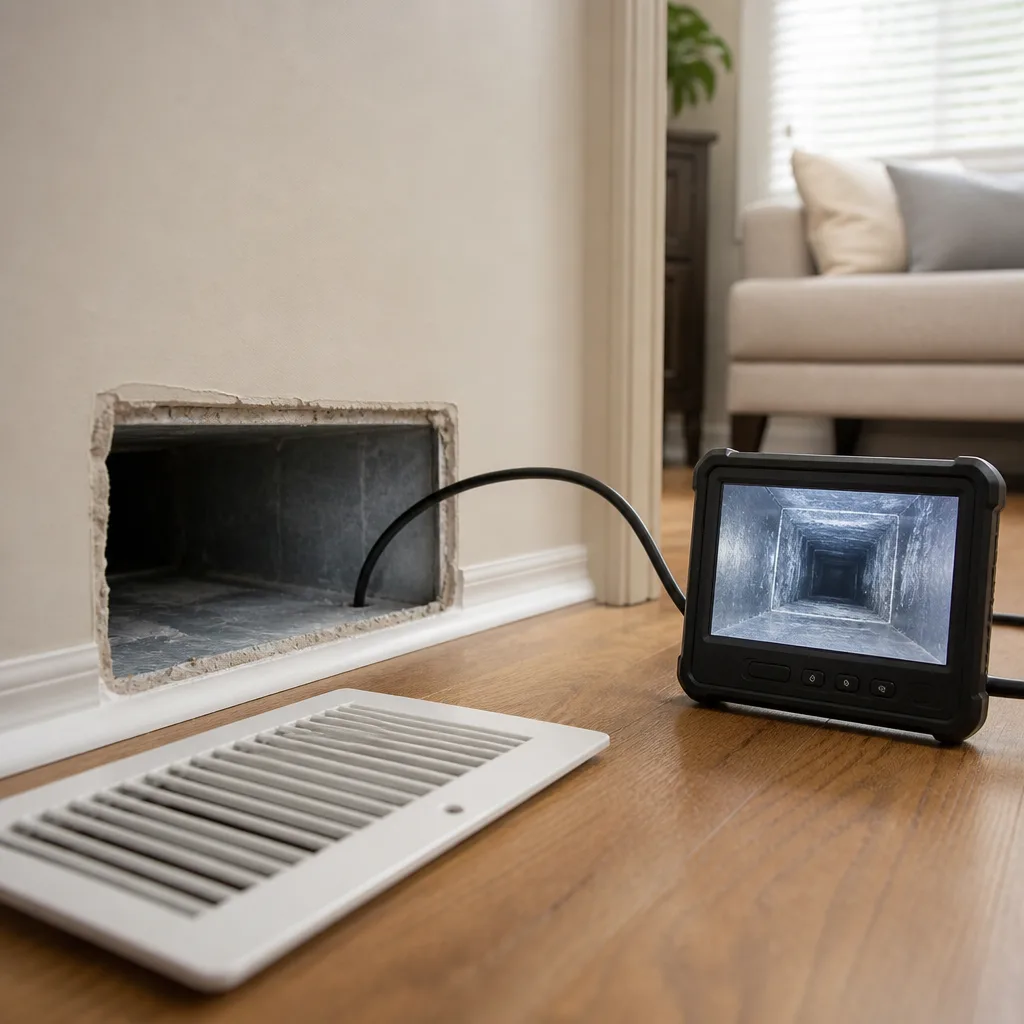
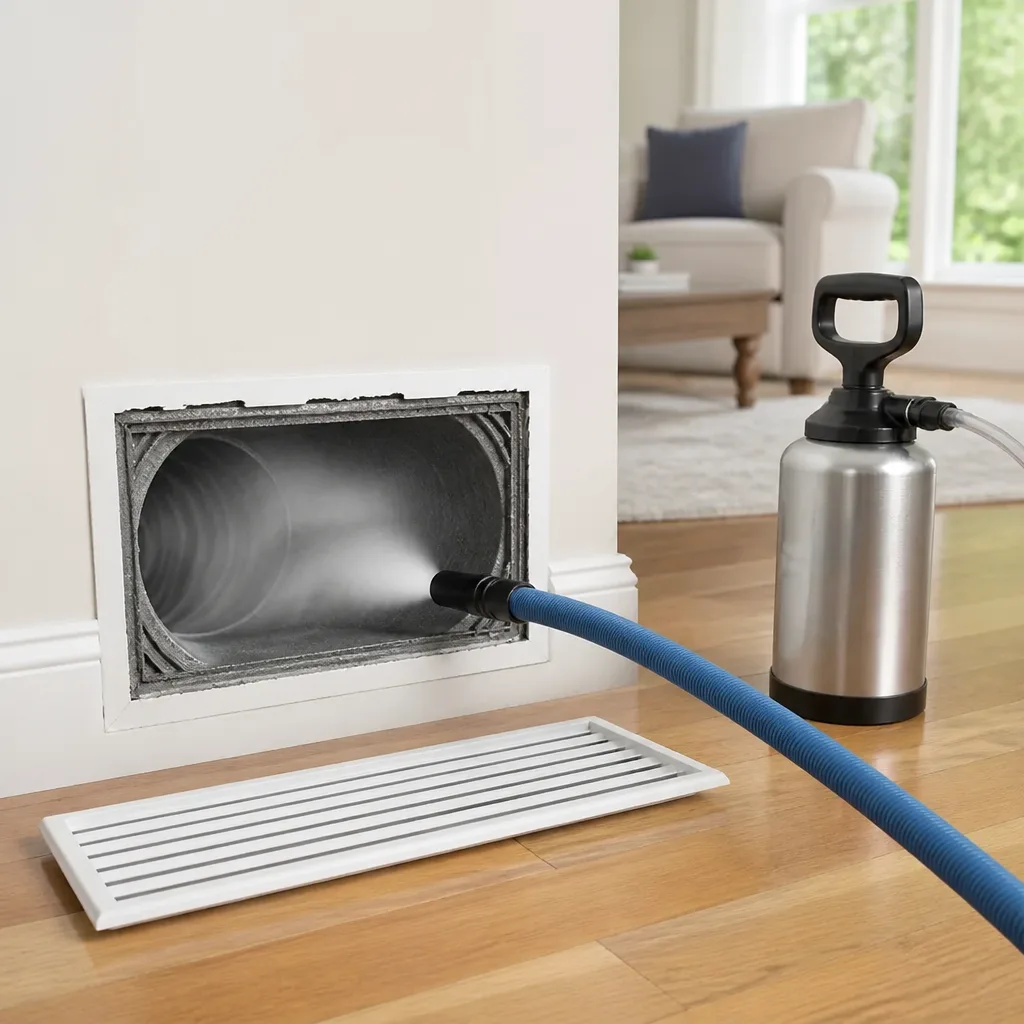
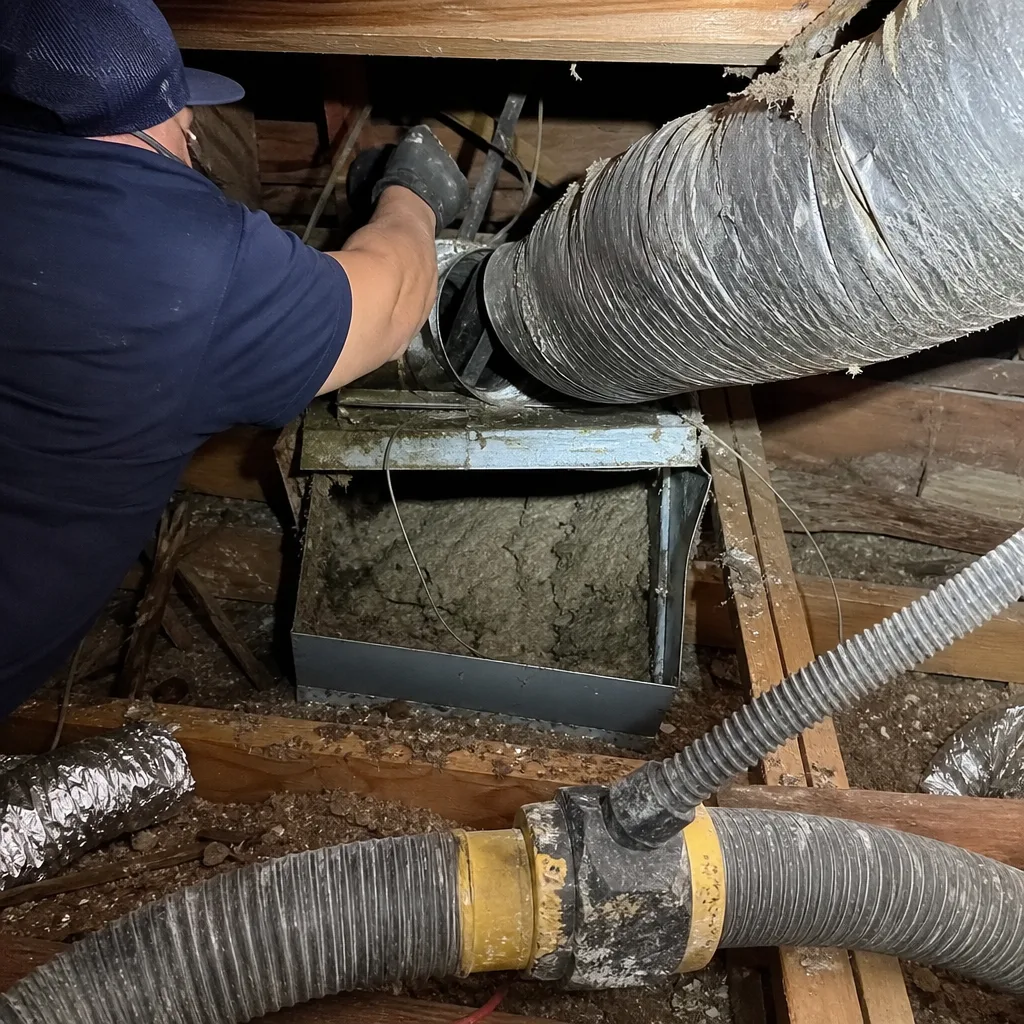 Before
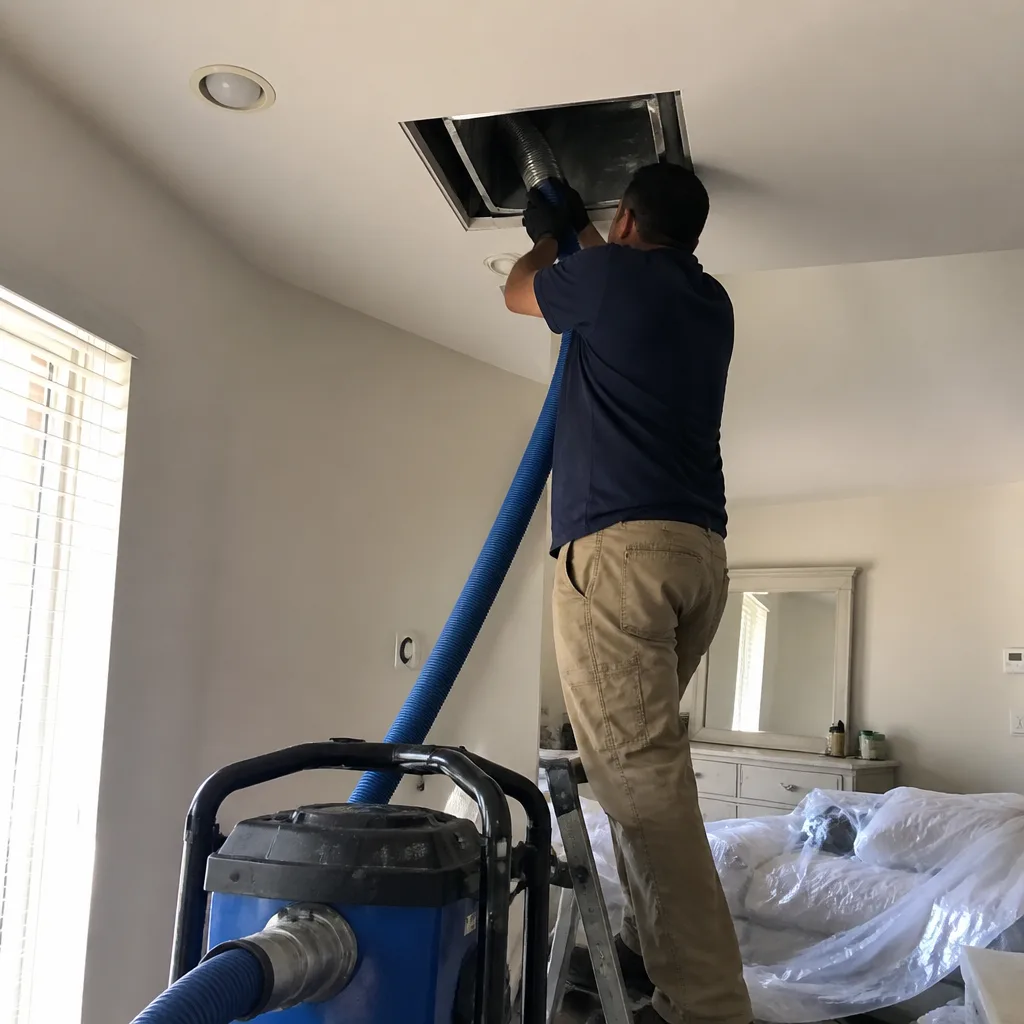 After
After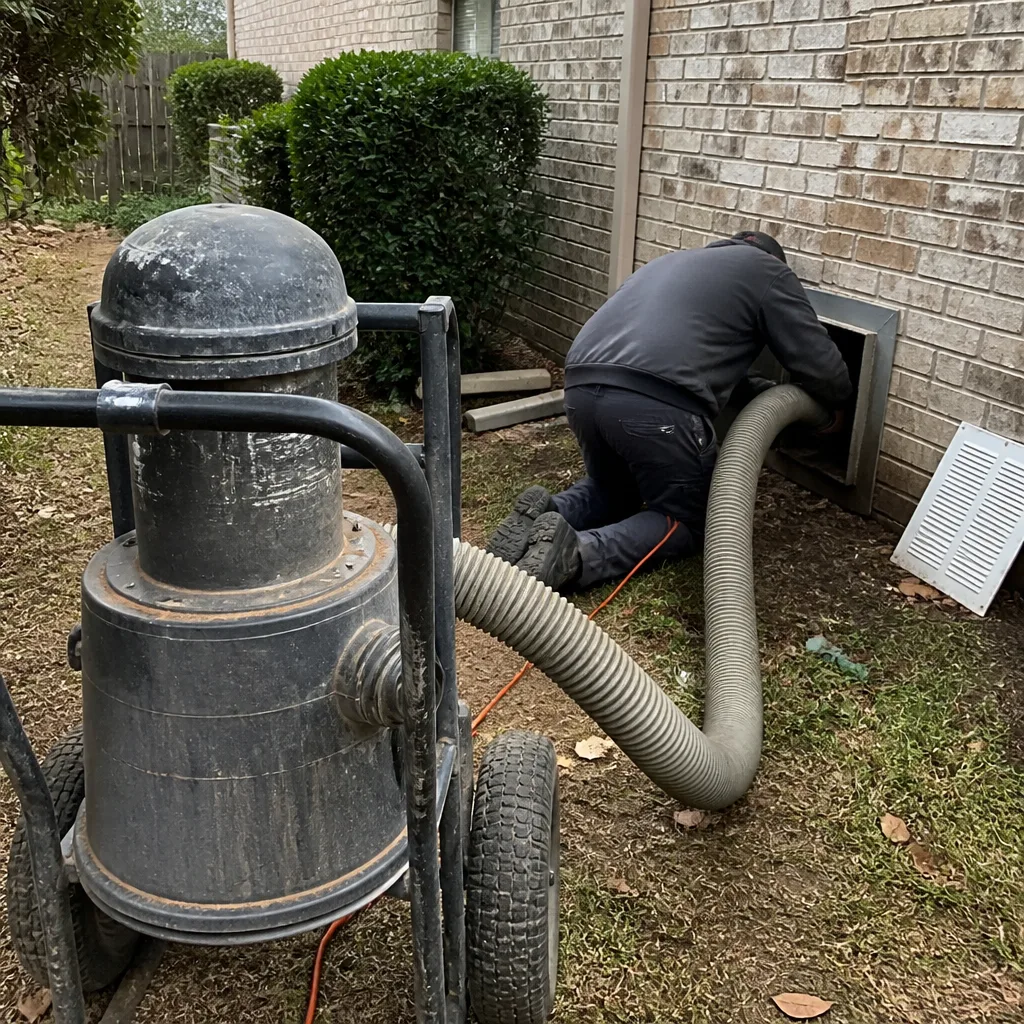 Before
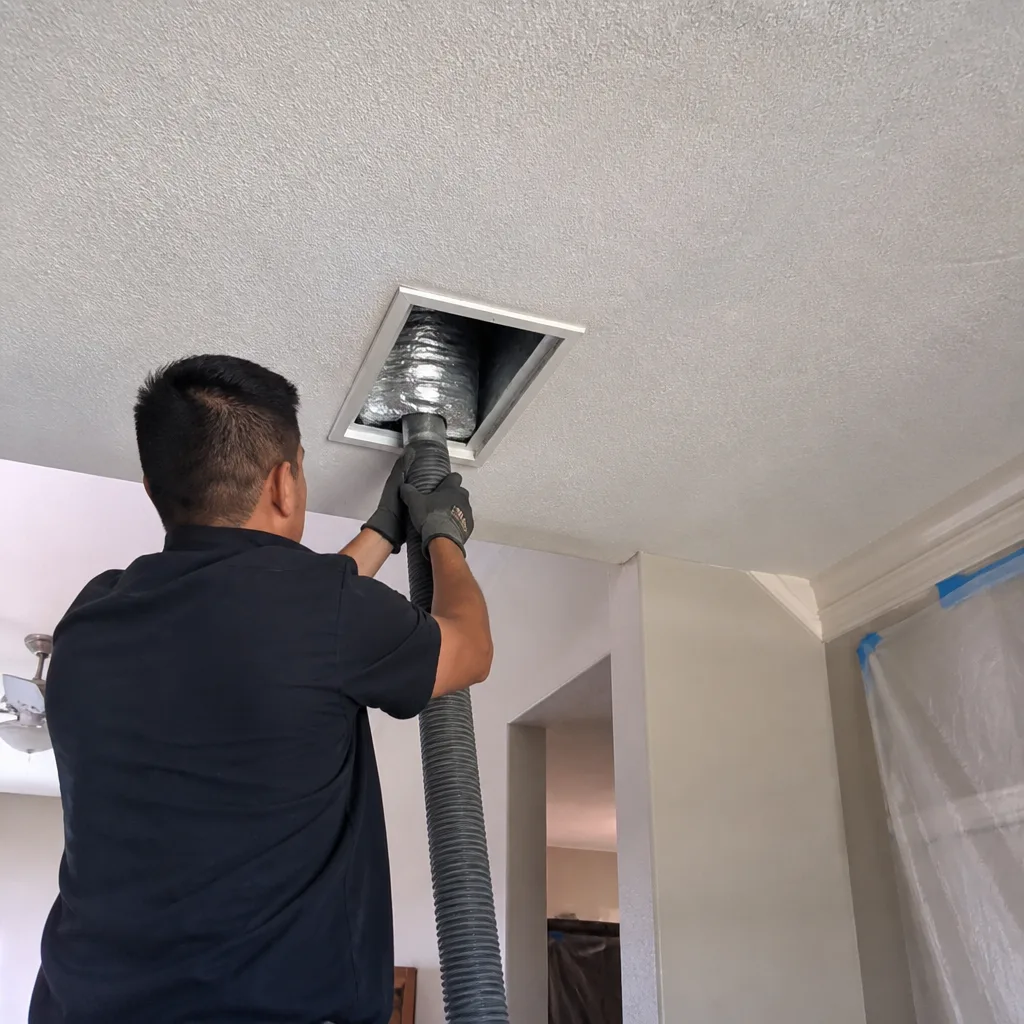 After
After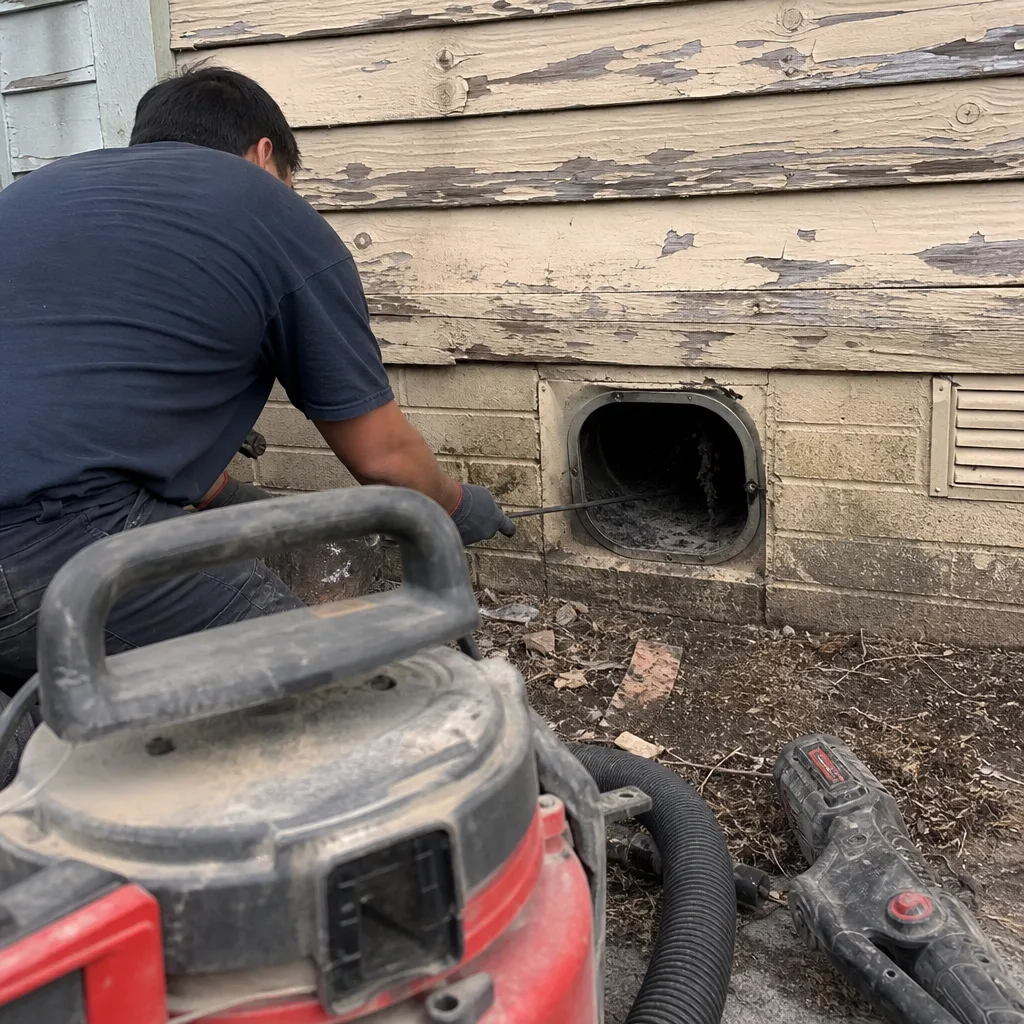 Before
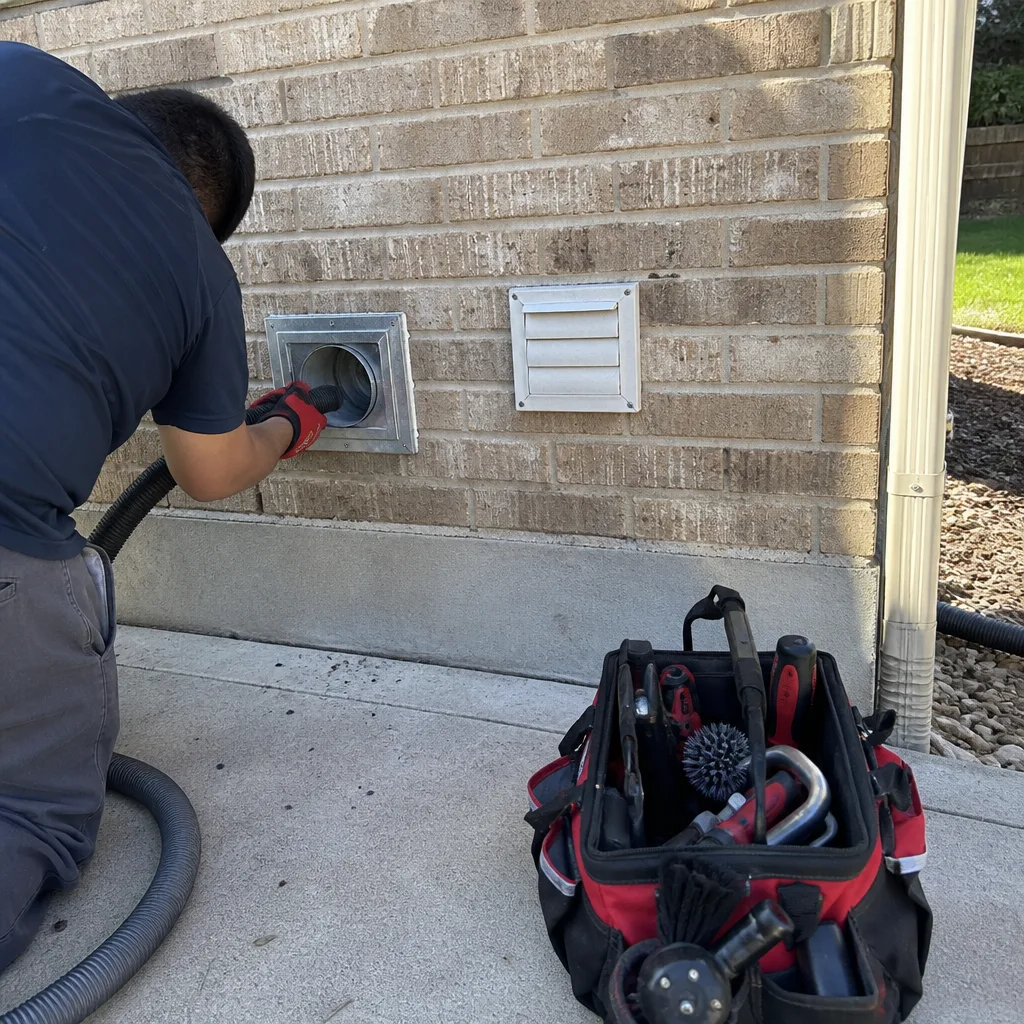 After
AfterAir Duct Cleaning Cost Breakdown: The Irving Homeowner’s Reference for 2026
A $79 air duct cleaning offer requires approximately $180-$220 in labor and equipment costs to fulfill at professional standard. The arithmetic alone tells you that either the scope is incomplete or the price presented on arrival will not be $79. In Irving, where the housing stock ranges from 1980s ranch homes in Valley Ranch to newer construction in Las Colinas and the Highlands, duct systems vary enormously in accessibility, material type, and contamination level. This guide-along with our Air Duct Cleaning Maintenance Checklist for Irving Homeowners-shows the actual math behind 2026 pricing: what variables determine cost, what each price point actually buys, and how to read a written estimate well enough to spot the structure of a bait-and-switch before the truck arrives.
Quick Answer
Professional Air Duct Cleaning services in Irving, Texas cost between $380 and $780 for a typical single-system home in 2026, with most homeowners paying near the middle of that range. The final figure depends on register count, linear footage of ductwork, system age and material, and whether camera inspection and documented photo records are included. A legitimate source-removal cleaning using negative-pressure extraction equipment cannot be performed for less than approximately $300 in this market without cutting scope, equipment, or labor.
Table of Contents
- What $79 Actually Buys in Irving
- The Real Cost Variables: A Line-by-Line Breakdown
- Irving Market Price Ranges by Home Profile
- Add-On Services Decoded: Legitimate versus Upsell
- How to Evaluate a Written Estimate
- Why Two Quotes Can Differ by $150-$300
- Common Mistakes to Avoid
- When to Call a Professional
- Frequently Asked Questions
BeforeAfterWhat $79 Actually Buys in Irving
The $79 coupon arrives in mailers across Irving every spring, typically timed to allergy season when homeowners notice dust accumulation or reduced airflow. The offer almost always contains qualifying language in fine print: “per vent,” “first 10 vents,” “visual inspection only,” or “dryer vent cleaning additional.” These qualifiers exist because the actual cost to dispatch a two-person crew with a truck-mounted negative-pressure system, fuel, insurance, and equipment depreciation exceeds $79 before any labor is performed.
Here is what the arithmetic looks like. A typical Irving home has 12-18 supply registers and 2-4 return registers. At $79 for the first 10 vents plus $15-$25 per additional vent, the invoice becomes $169-$289 before any actual cleaning occurs. The crew then presents “recommended” add-ons: sanitizer fogging ($89-$149), “deep cleaning” of the plenum (the central distribution box where duct runs converge), or mold treatment based on a visual claim. The final invoice frequently reaches $400-$600, delivered only after work has begun.
The equipment difference matters. A $79 operation typically uses a portable shop vacuum or a small rotary brush on a drill, neither of which creates the negative pressure (suction that exceeds the airflow resistance of the duct system) required for source removal under NADCA guidelines. The result is surface disturbance without debris extraction. Dust becomes airborne, resettles within days, and the homeowner has paid for noise rather than results.
At CleanRun Air Duct Cleaning Irving home, we have documented photo records from homes in Hackberry Creek and Cottonwood Valley where a $79 service was performed six weeks prior. The camera showed intact debris layers at duct elbows and return plenums, with no evidence that negative-pressure equipment had ever been connected. The homeowner paid twice: once for the coupon, once for source removal.
Haven Standard Clause 1 requires a written price before any work starts. This clause exists precisely because the industry structure rewards opacity. A price delivered in writing, with line items for registers, linear footage, and equipment type, cannot inflate on arrival.
The Real Cost Variables: A Line-by-Line Breakdown
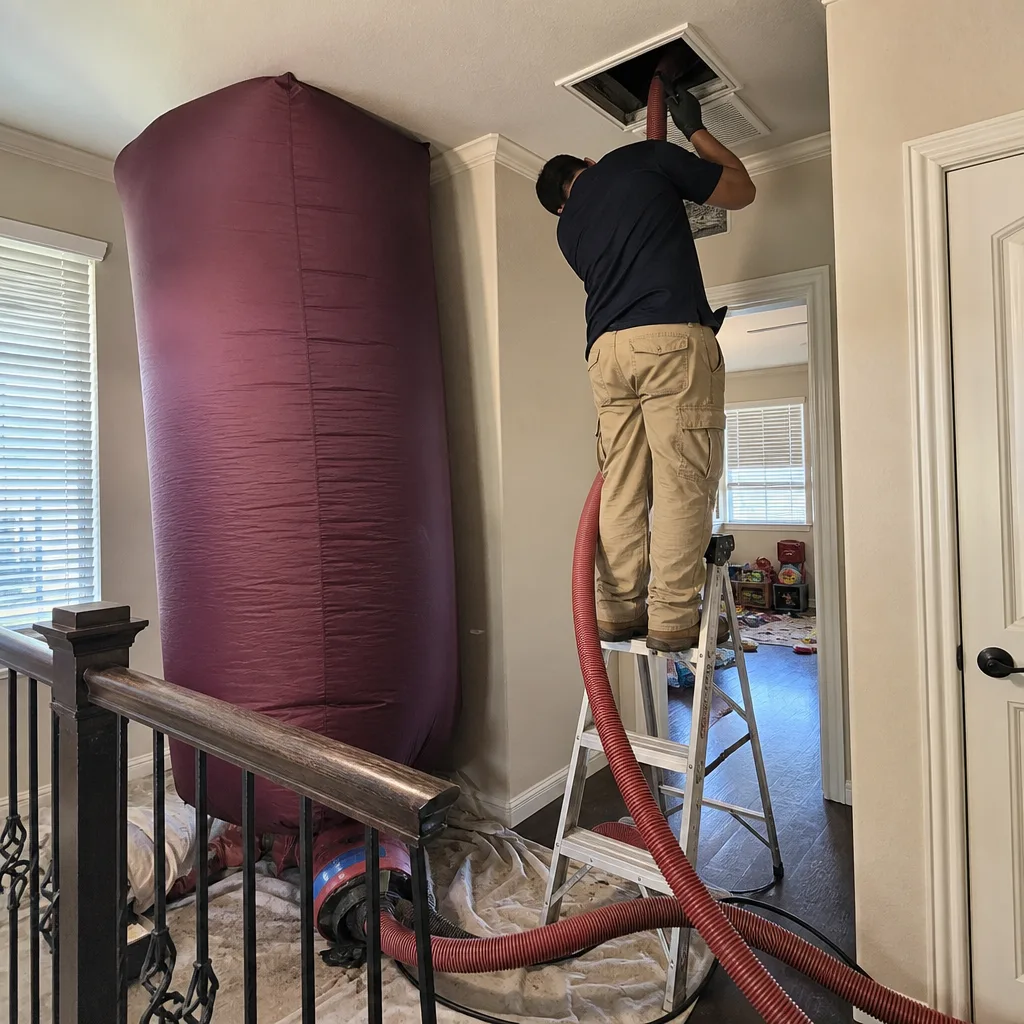
Professional duct cleaning pricing in Irving is built from measurable components, not guesswork. Understanding each variable lets you compare quotes as structured proposals rather than headline numbers.
Supply Register Count
Supply registers deliver conditioned air to rooms. Each register connects to a duct run (the individual branch extending from the plenum). More registers mean more duct runs to clean, more access points to cut and seal, and more time on site. A typical Irving home built between 1995 and 2015 has 12-16 supply registers. Older homes in established neighborhoods like Plymouth Park or University Hills may have fewer registers with larger duct dimensions, while newer construction in Las Colinas often exceeds 18 supplies with smaller, flexible duct runs.
Market rate per supply register in Irving: $22-$38, depending on duct material and access difficulty.
Return Register Count
Return registers pull air back to the air handler. They typically connect to larger trunk lines or a central return plenum. Returns accumulate more debris than supplies because they lack the filtration that occurs at the supply side. Cleaning returns requires larger-diameter brushes and higher suction capacity.
Market rate per return register in Irving: $35-$55.
Linear Footage of Ductwork
Total duct length affects equipment runtime and crew time. A 2,000-square-foot home with a single HVAC system typically contains 120-180 linear feet of ductwork. Homes with additions, second systems, or zoned configurations in Irving’s larger properties can exceed 250 linear feet. Some contractors price by register count alone; others add per-foot charges for unusually long runs or complex routing.
Supplemental linear footage rate: $1.50-$3.00 per foot beyond standard estimates.
System Age and Material Type
Irving’s housing stock includes three primary duct materials, each with distinct cleaning requirements:
- Sheet metal: Common in pre-1990 construction and high-end custom homes. Durable, smooth interior, but heavy debris accumulation at seams and elbows. Requires aggressive brushing and high suction. Easiest to document with camera inspection.
- Flexible duct (flex): Standard in post-1995 residential construction, including most of Valley Ranch and the Highlands. Corrugated interior traps debris; excessive brush pressure damages the liner. Requires lower-torque equipment, slower feed rates, and more crew attention. Cleaning flex duct takes 30-50% longer than equivalent sheet metal.
- Duct board: Fibrous pressed material, common in attic installations. Fragile; aggressive cleaning damages the substrate. Requires specialized contact vacuuming and controlled brush systems. Less common in Irving but present in some 1970s-1980s builds.
Flex duct prevalence in Irving’s newer neighborhoods adds 15-25% to labor estimates compared to sheet-metal-only systems of equivalent size.
Access Difficulty
Crawl space access, attic temperature, and clearance around the air handler determine crew efficiency. In Irving’s summer conditions, attic work above 120°F requires rotation schedules and extended job times. Homes with air handlers in interior closets (common in Las Colinas townhomes) may require protective floor covering and furniture shifting that adds 30-60 minutes to setup.
Camera Inspection and Documentation
A borescope camera inspection before and after cleaning provides the only verifiable evidence of work quality. This requires equipment investment (professional inspection cameras run $2,500-$6,000), training time, and 20-40 minutes of additional job time. The Air Duct Cleaning in Irving page details our documented photo record process.
Camera inspection as standalone add-on in Irving market: $75-$150. Included in comprehensive service packages from operators who document as standard practice.
Irving Market Price Ranges by Home Profile
These ranges reflect 2026 pricing from established operators in the Irving-Las Colinas-DFW Airport corridor, based on written estimates collected from homeowners and direct market observation. They assume source-removal cleaning with negative-pressure extraction, not surface vacuuming.
| Home Profile | Typical Specs | Price Range |
|---|---|---|
| Small home or townhome, single system | 1,200-1,600 sq ft, 8-12 supplies, 2 returns, flex duct, accessible air handler | $320-$480 |
| Mid-size single-family, single system | 1,800-2,400 sq ft, 14-18 supplies, 3-4 returns, mixed materials | $420-$620 |
| Large home or two-story, single system | 2,500-3,200 sq ft, 18-24 supplies, 4 returns, complex routing | $580-$780 |
| Large home, dual zoned systems | 3,000+ sq ft, two complete HVAC systems, 30+ total supplies | $840-$1,200 |
| Older home with sheet metal, limited access | Pre-1985 construction, crawl space or tight attic, 10-14 supplies | $480-$680 |
These ranges exclude dryer vent cleaning, which is a separate scope with separate pricing, and HVAC coil cleaning, which is HVAC maintenance rather than duct cleaning. Both are addressed below.
Irving’s climate specifically affects the upper end of these ranges. The combination of clay soil (foundation settling that stresses duct connections), high summer attic temperatures (accelerating flex duct degradation), and pollen-heavy springs (oak and ragweed contribute significantly to return-side loading) means systems here often require more attention than equivalent homes in milder climates.
Add-On Services Decoded: Legitimate versus Upsell
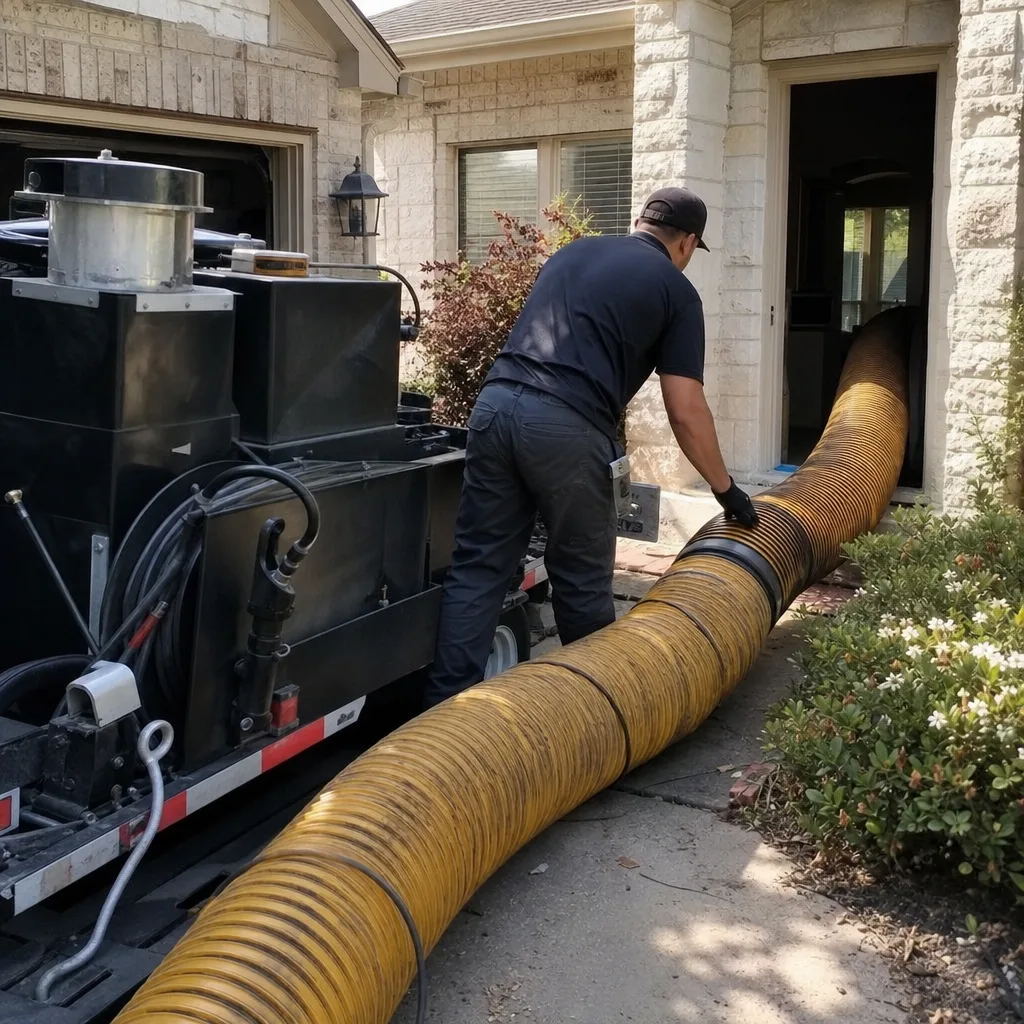
The moment of maximum vulnerability in a duct cleaning transaction occurs after the crew has begun work and presents additional “recommended” services. Distinguishing legitimate additions from manufactured upsells requires understanding what each service actually entails and when it is appropriate.
Sanitizer / Antimicrobial Fogging
Legitimate application: After source removal, when laboratory or clear visual evidence (not flashlight speculation) indicates microbial growth in the plenum or trunk lines. The EPA registers specific products for HVAC use; application without prior cleaning is ineffective because the antimicrobial cannot contact the underlying substrate.
Upsell structure: Fogging presented as standard or “required for warranty,” applied before cleaning or without evidence of microbial presence. The fogging covers debris without removing it, creating a temporary scent of cleanliness that dissipates within days.
Irving-specific note: High summer humidity in attics can support condensation-related microbial growth on duct exteriors, but this is an insulation and sealing issue, not an interior duct contamination issue. Interior fogging does not address it.
Market rate for legitimate post-cleaning sanitizer application: $85-$140.
Dryer Vent Cleaning
This is entirely separate scope. The dryer vent (the exhaust duct from the clothes dryer to exterior termination) is not connected to the HVAC duct system. It requires different equipment (high-velocity air tools, rotary whip systems for lint removal) and addresses fire safety rather than indoor air quality.
However, the two services are legitimately scheduled together because the same crew and truck can perform both, and because lint accumulation in the dryer vent often correlates with debris loading in the home’s air handling system. The Dryer Vent Cleaning in Irving page covers this scope separately.
Irving market rate for dryer vent cleaning: $120-$220, depending on vent length, termination height (second-story roof exits add ladder time), and whether bird guard or pest screening requires removal and replacement.
Coil Cleaning (Evaporator and Condenser)
The evaporator coil sits inside the air handler, downstream from the blower. It is an HVAC component, not a duct component. Cleaning it requires opening the air handler cabinet, often removing panels and drain pans, and applying foaming cleaners followed by controlled rinsing. This is HVAC maintenance work, not duct cleaning.
Presenting coil cleaning as a “duct cleaning add-on” is category confusion. It requires different expertise, different insurance considerations, and different pricing structure. The HVAC Cleaning in Irving page addresses this scope correctly.
Market rate for evaporator coil cleaning in Irving: $180-$320.
Sealant or Coating Application
Interior duct sealants (aerosolized polymers or brush-applied compounds) are occasionally presented as “protective” treatments. The EPA has no registered products for this application as a routine service. Sealant application without prior mechanical cleaning bonds to debris, not to duct substrate, and can obstruct airflow if over-applied. We do not recommend this service as a standard addition.
How to Evaluate a Written Estimate
A written estimate is a contract precursor, not a marketing piece. Its structure reveals whether the contractor operates from defined scope or from arrival-based improvisation. Here is what to look for.
- Register count specified: The estimate should state the number of supply and return registers included, with per-register pricing if additional registers are discovered. Vague language like “whole house” or “up to X vents” permits scope expansion on site.
- Equipment identified: The estimate should name the cleaning method (negative-pressure source removal, contact vacuuming, or other) and the primary equipment brand. Professional-grade systems from Rotobrush, Nikro, Abatement Technologies, or comparable manufacturers represent verifiable capability. Unnamed “commercial equipment” is not verifiable.
- Camera inspection status: Stated as included, available as option, or not offered. Inclusion indicates documentation commitment; omission suggests the contractor does not verify results.
- Photo record commitment: Explicit statement that before-and-after images of each duct run will be provided. Without this, verification is impossible.
- Line-item exclusions: Clear statement of what is not included (dryer vent, coil cleaning, sanitizer) so the total represents comparable scope across quotes.
- Price validity and change conditions: Fixed price valid for stated period, with conditions under which price may change (discovery of inaccessible registers, damaged ductwork requiring repair, etc.).
- Written guarantee terms: Specific recourse if results are unsatisfactory, with time limit and process. “Satisfaction guaranteed” without mechanism is not a guarantee.
Haven Standard Clause 1 requires all seven elements on every CleanRun estimate. If a competitor’s written estimate lacks three or more, the quote is not comparable to ours even if the bottom-line number is lower.
Why Two Quotes Can Differ by $150-$300
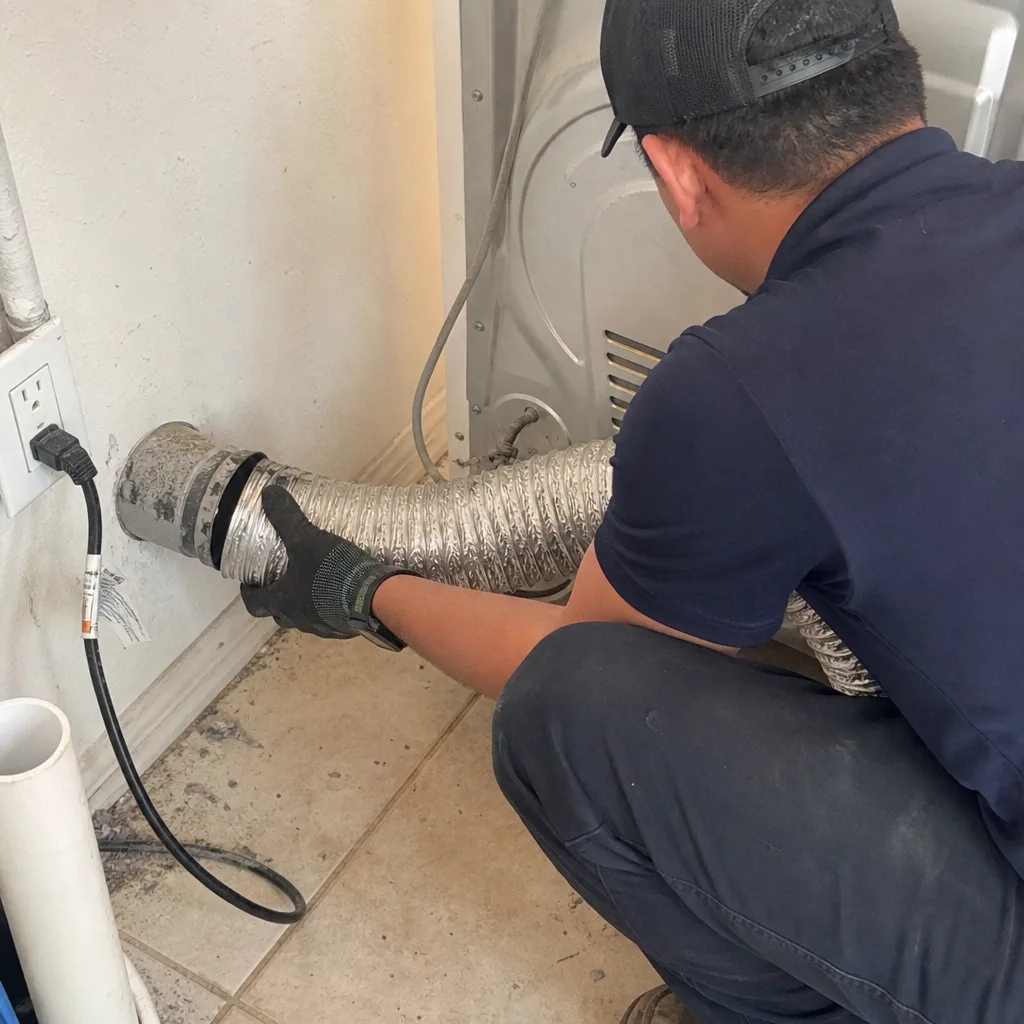
Price variation for the same home does not automatically indicate dishonesty. Legitimate differences arise from equipment capability, documentation standards, and business model structure. Understanding them lets you evaluate value rather than defaulting to lowest price.
Equipment Generation and Capability
Negative-pressure systems range from portable units (approximately $2,000-$4,000, suitable for small residential jobs) to truck-mounted systems ($25,000-$60,000, with HEPA filtration, variable suction control, and continuous duty cycle). A truck-mounted system from Abatement Technologies or Guardsman extracts more debris per pass, reduces job time, and maintains suction through longer duct runs. The capital cost is reflected in pricing, but the result is more complete source removal in a single visit.
Rotary brush systems similarly vary. Basic units operate at fixed speed; professional systems from Rotobrush or Nikro adjust torque for duct material (critical for flex duct protection) and include reverse functionality for elbow navigation. A contractor with $15,000 in brushing equipment and $40,000 in vacuum equipment has different cost recovery needs than one with $3,000 in portable tools.
Documentation Investment
The documented photo record requires camera equipment, data management infrastructure, and 20-40 minutes of technician time per job. A contractor delivering this on every visit carries higher labor cost but provides verifiable quality evidence. The homeowner who receives dated, labeled images of every duct run has audit capability that the homeowner with a verbal assurance lacks.
Technician Employment Model
Commission-based technicians are incentivized to maximize invoice value through add-on sales. Hourly technicians with performance standards tied to documentation quality and callback rates are incentivized to complete scope correctly the first time. The employment model is rarely stated on the estimate, but it affects pricing structure: commission models often use low base prices with high add-on potential; hourly models use higher base prices with minimal variation.
CleanRun technicians are hourly, background-checked, and uniformed under Haven Standard Clause 3: Verified Crews. Pricing reflects this structure.
Insurance and Bonding Levels
General liability, workers compensation, and surety bonding vary by contractor. Higher coverage levels increase overhead but protect the homeowner from liability if property damage or technician injury occurs. State licensing and insurance verification is available through the Texas Department of Licensing and Regulation.
Common Mistakes to Avoid
- Comparing headline prices without verifying scope. A $340 quote for 10 vents and a $580 quote for 18 vents with camera inspection are not comparable. Normalize to per-register pricing with documentation included before comparing.
- Accepting verbal estimates or arrival pricing. Any price not delivered in writing before work begins can change. This is the structural vulnerability that coupon marketing exploits.
- Assuming all “negative pressure” claims are equivalent. A shop vacuum with a HEPA filter is not a negative-pressure extraction system. Ask for equipment brand and model; verify it independently.
- Scheduling during peak allergy season without booking ahead. March through May in Irving sees highest demand. Last-minute scheduling often forces acceptance of whoever is available, not whoever is qualified. Plan 2-3 weeks ahead.
- Neglecting the return side. Some low-price services clean only supply registers (visible, accessible) while skipping return plenums and trunk lines (where heavier debris accumulates). Verify that returns are explicitly included.
- Paying for sanitizer without evidence of need. Request the specific product name and EPA registration number. If the technician cannot provide it, decline the service.
- Failing to verify documentation delivery. “We take photos” is not “you will receive dated, labeled before-and-after images of every duct run.” Confirm delivery method and timing before signing.
When to Call a Professional
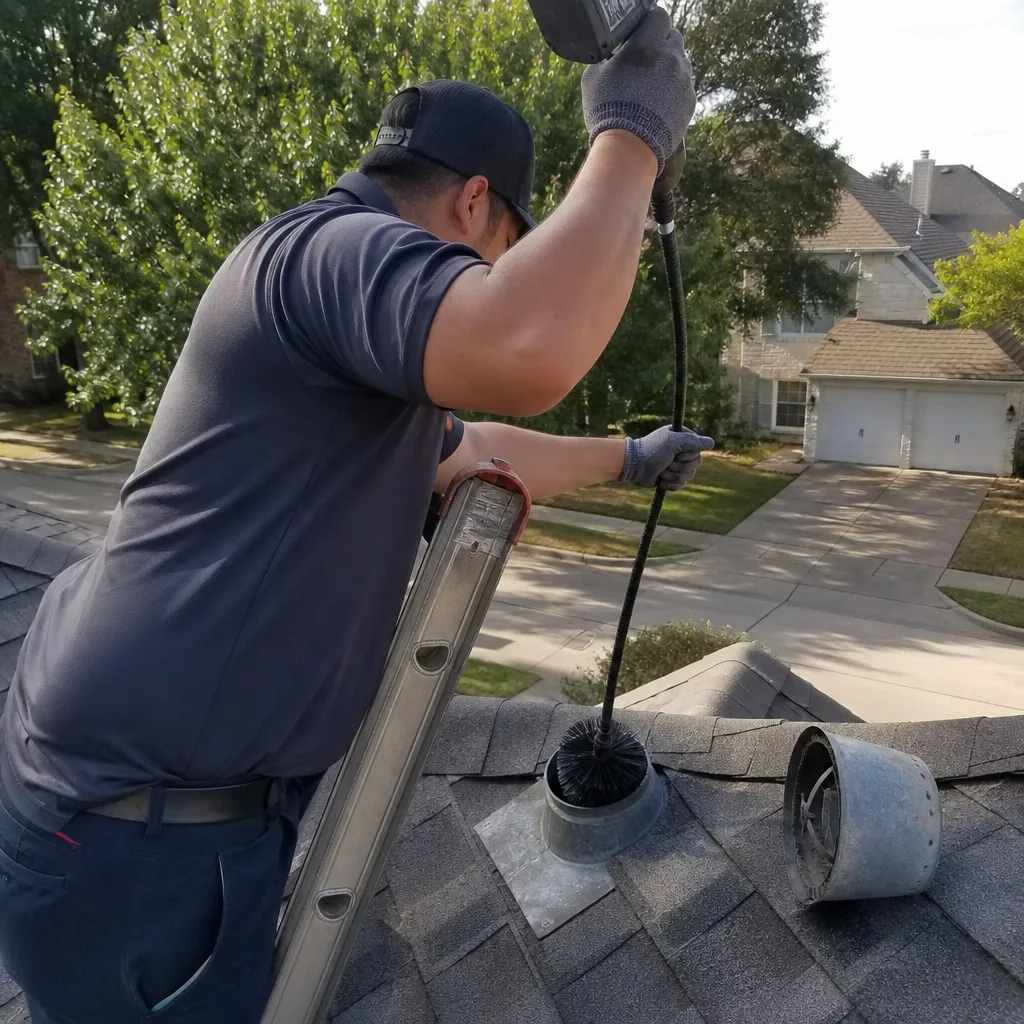
Call for an estimate when you observe visible dust emission from registers, inconsistent airflow between rooms, musty odors when the system cycles, or debris accumulation that returns rapidly after surface cleaning. In Irving’s pollen-intensive springs, these signs often indicate that the duct system has become a reservoir rather than a distribution network.
Homes purchased between 2015 and 2025 in Irving’s active development areas frequently went through construction-phase HVAC operation without duct protection, introducing drywall dust, insulation fragments, and construction debris that standard filtration does not capture. Even without visible symptoms, a camera inspection reveals whether the system requires source removal. For additional guidance, explore more guides & resources on our blog.
CleanRun Air Duct Cleaning Irving offers free estimates in Irving. Every estimate includes a written price before any work starts, under Haven Standard Clause 1. Call (682) 297-4068 to schedule.
Frequently Asked Questions
Professional source-removal duct cleaning for a typical Irving home costs between $380 and $620, with smaller homes starting near $320 and larger or dual-system homes reaching $780 or more. The final figure depends on register count, duct material, linear footage, and whether camera inspection and documented photo records are included. Call (682) 297-4068 for a written estimate specific to your home - estimates are free.
Low quotes typically reflect reduced scope (fewer registers cleaned, no returns), inferior equipment (shop vacuums rather than negative-pressure systems), or a pricing structure designed to escalate on arrival through add-on sales. A $79 coupon becomes $400-$600 once “required” services are added. Compare written estimates line by line, not headline to headline.
Require a documented photo record showing the interior of each duct run before and after cleaning, with date stamps and register labels. Without this, you have only the technician’s word. CleanRun includes this record on every job as standard practice, delivered to the customer before the crew departs.
Every 3-5 years for typical residential occupancy in Irving, with shorter intervals for homes with pets, recent construction, or occupants with respiratory sensitivity. The 2020-2025 construction boom in Las Colinas and the Highlands introduced significant debris loads in newer homes that may need earlier attention. A camera inspection determines actual condition better than calendar scheduling.
Only when laboratory or clear visual evidence confirms microbial growth after source removal has been completed. Fogging without prior cleaning bonds to debris, not to duct substrate. Fogging without evidence of microbial presence is an upsell, not a service. Request the specific EPA-registered product name and registration number before agreeing.
Every job is backed by the 365-Day Done Right Promise: if the work is not right, we make it right. This is a written guarantee, not a policy subject to manager approval. It is delivered with the job documentation and remains in force for 365 days from service completion. Since 2013, this guarantee has applied to every one of the 52,000+ homes we have served.
The Bottom Line
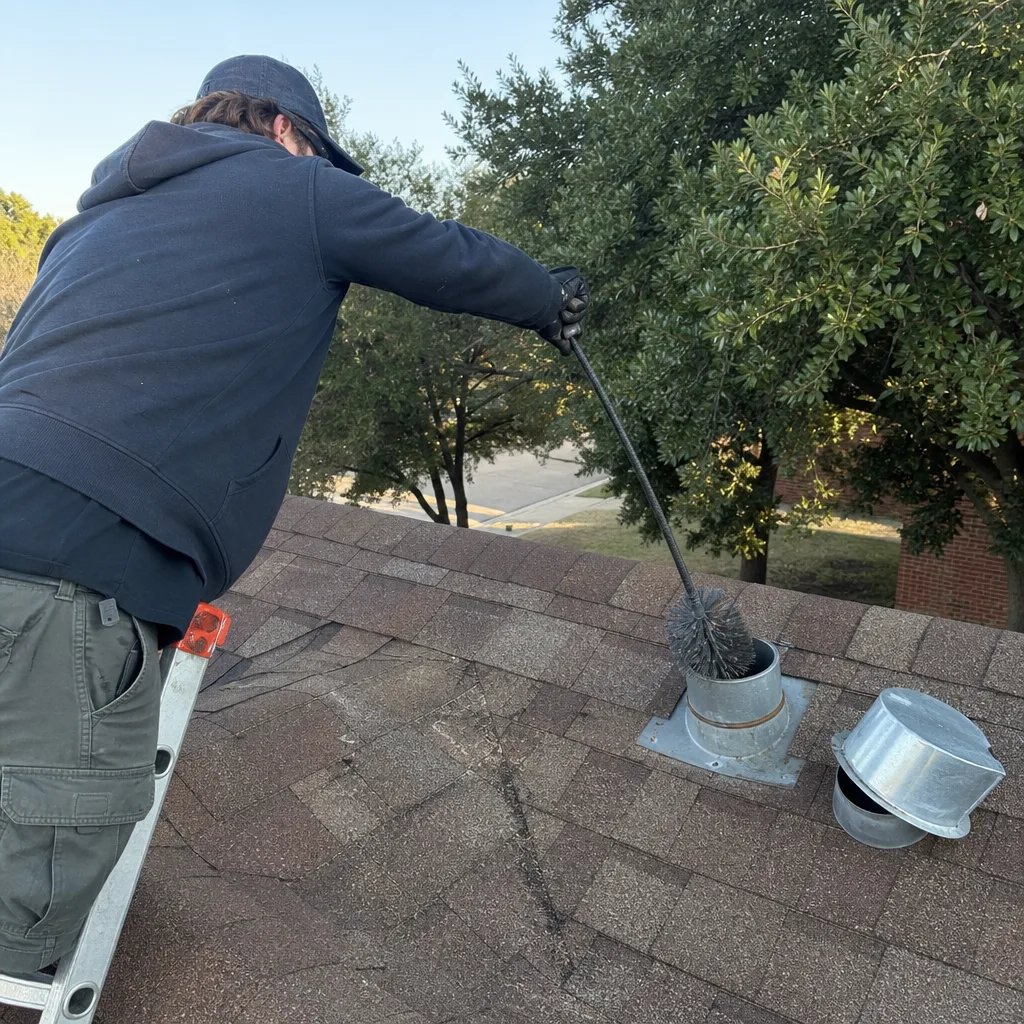
Air duct cleaning in Irving is a calculable service with measurable variables, not a mystery priced by coupon. The homeowner who understands register count, duct material, equipment type, and documentation standards can evaluate any quote as a structured proposal and identify bait-and-switch architecture before the truck arrives. The $79 number was never sustainable for professional source removal; the 2026 market rate of $380-$620 for typical homes reflects actual labor, equipment, and verification costs. Demand written pricing, verifiable equipment, and documented results. Anything less is vacuum noise.
Written by Tomas Reyes, Owner at CleanRun Air Duct Cleaning Irving, serving Irving since 2013.