
Last updated September 23, 2026
Whole-system duct and dryer vent check with before-and-after photos - you see exactly what came out of your vents
That "$99 whole-house special" is a bait ad - the real number appears once they are in your hallway, or the "clean" is a shop-vac at the register. We photograph the inside of your ducts before and after instead.
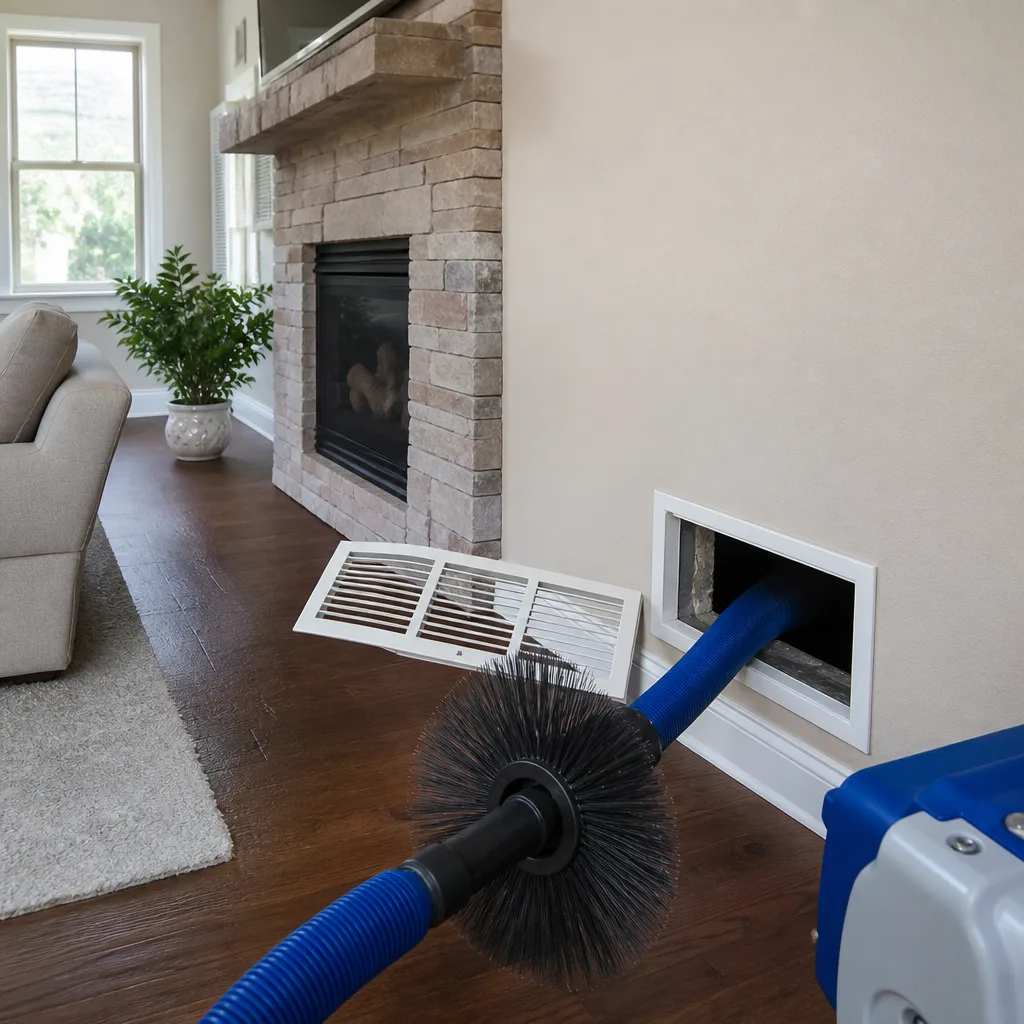
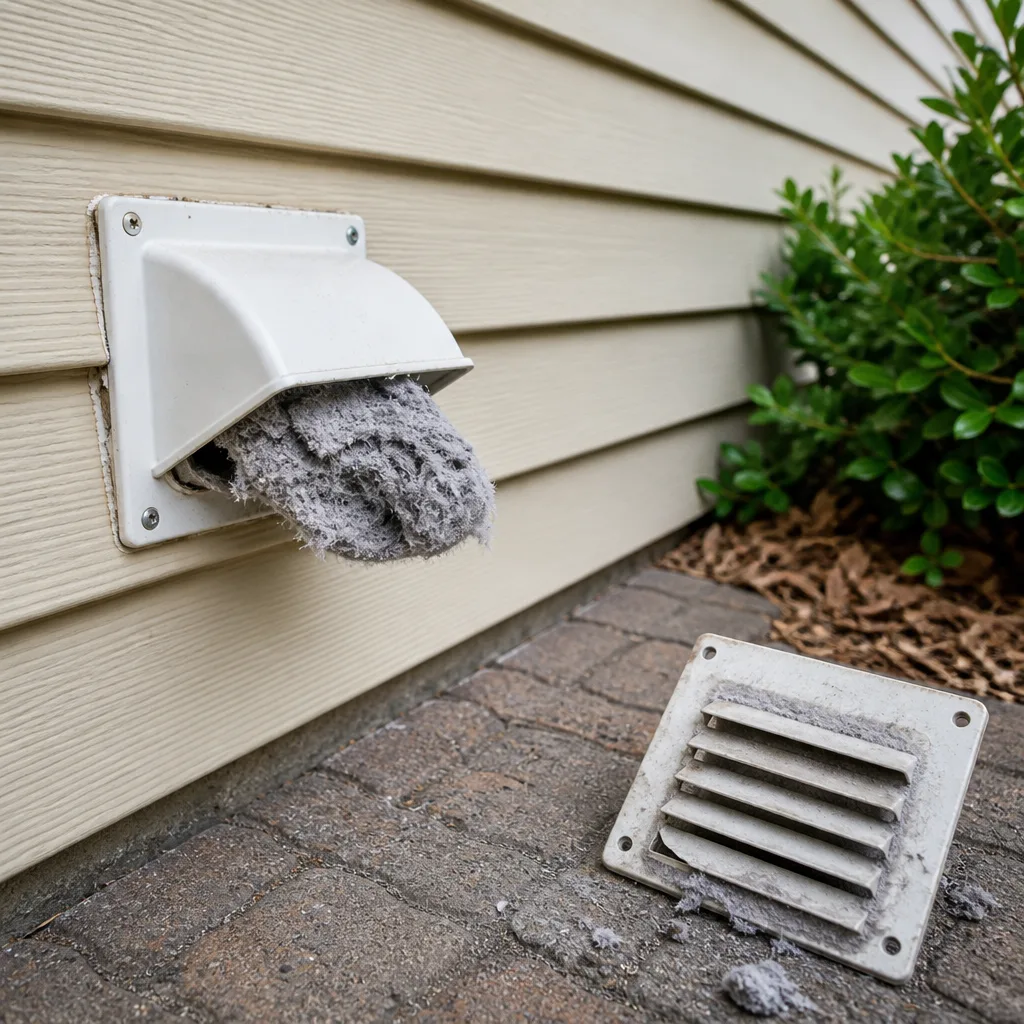
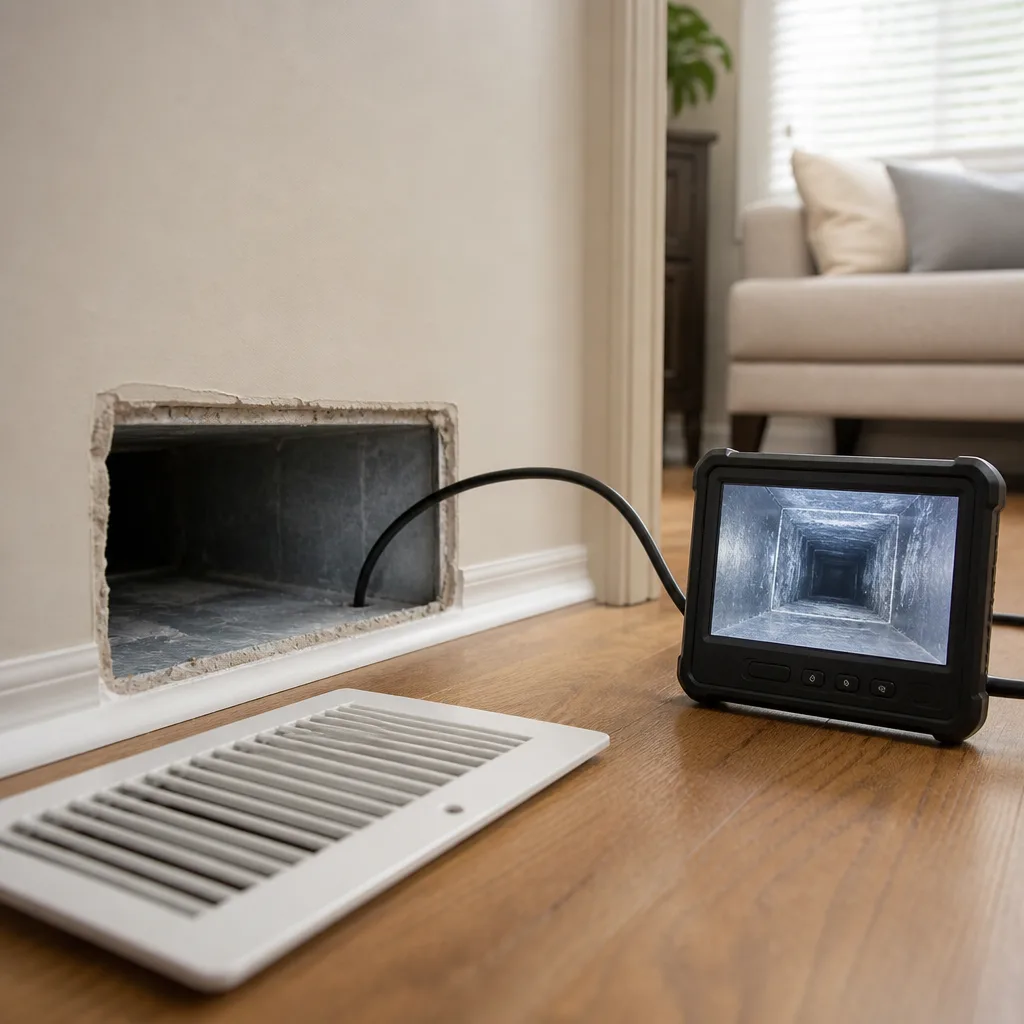
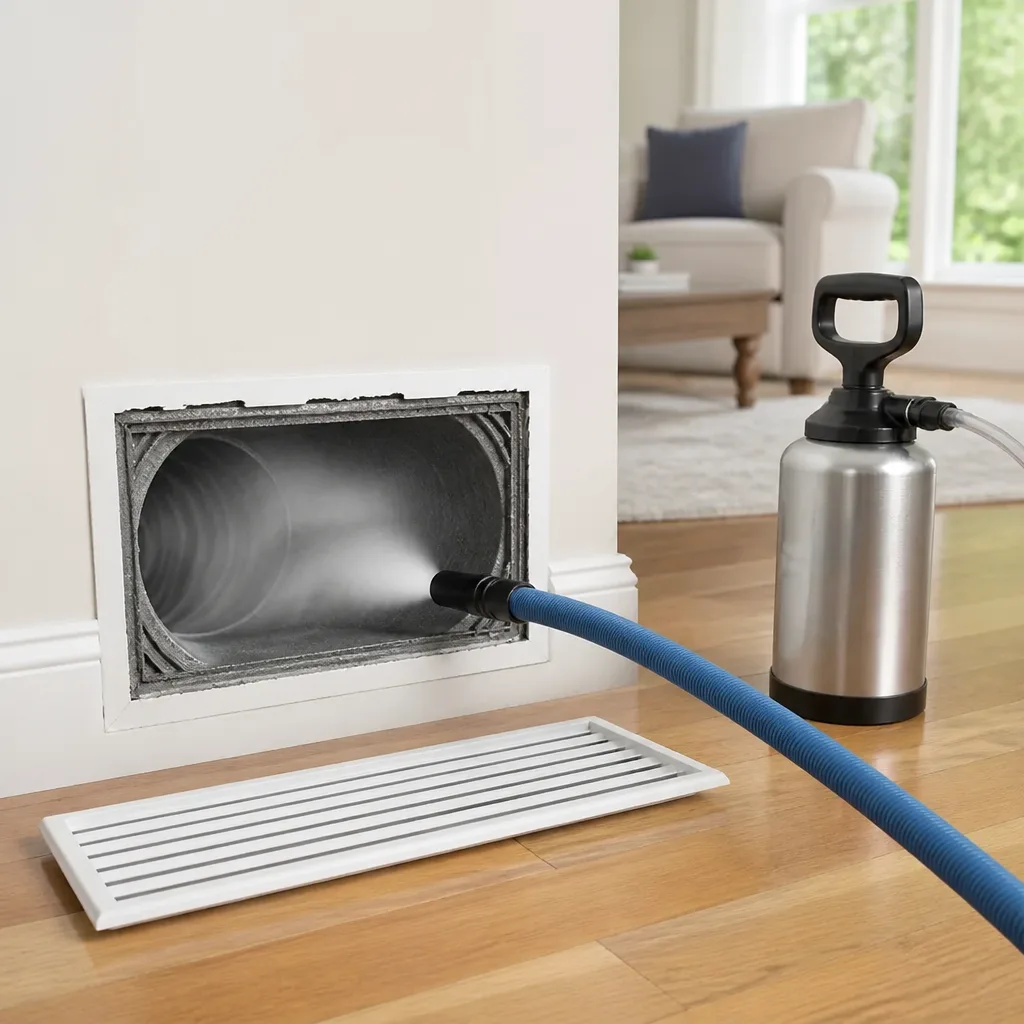
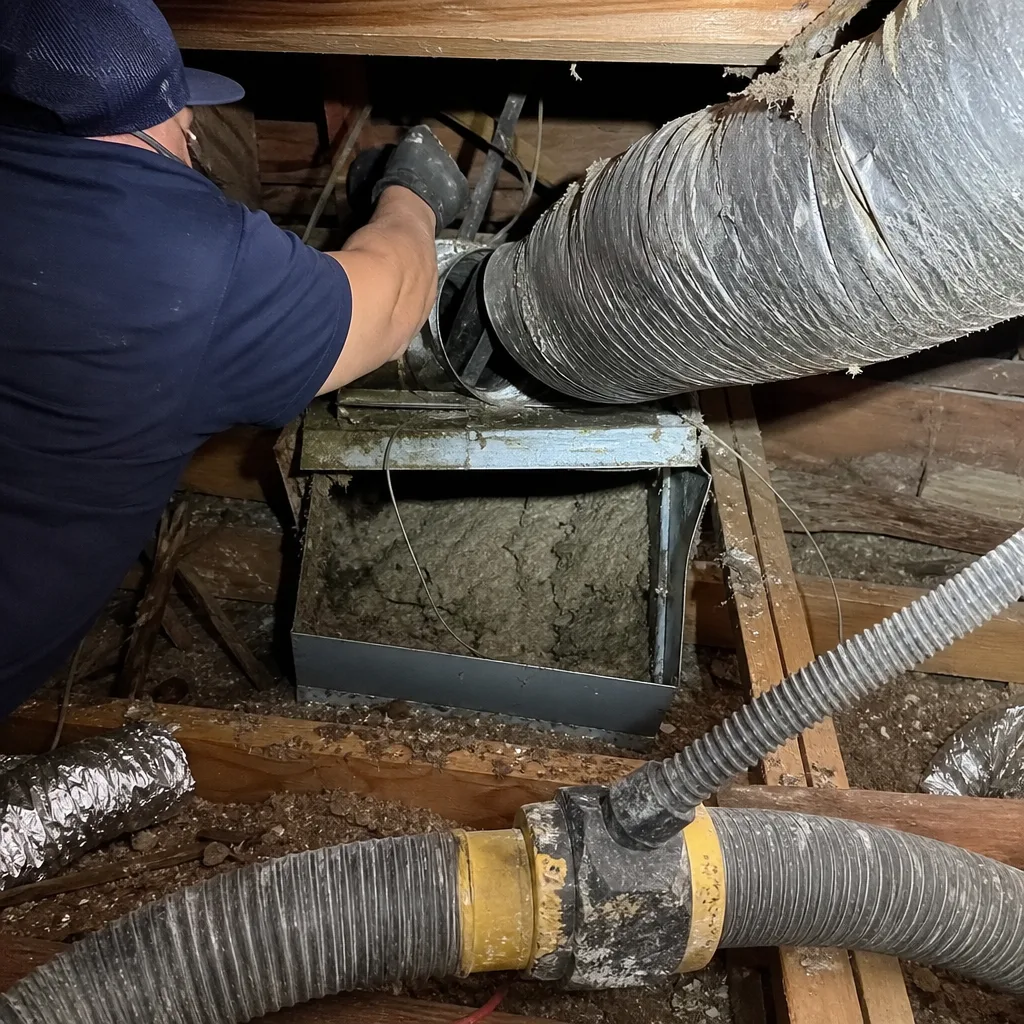 Before
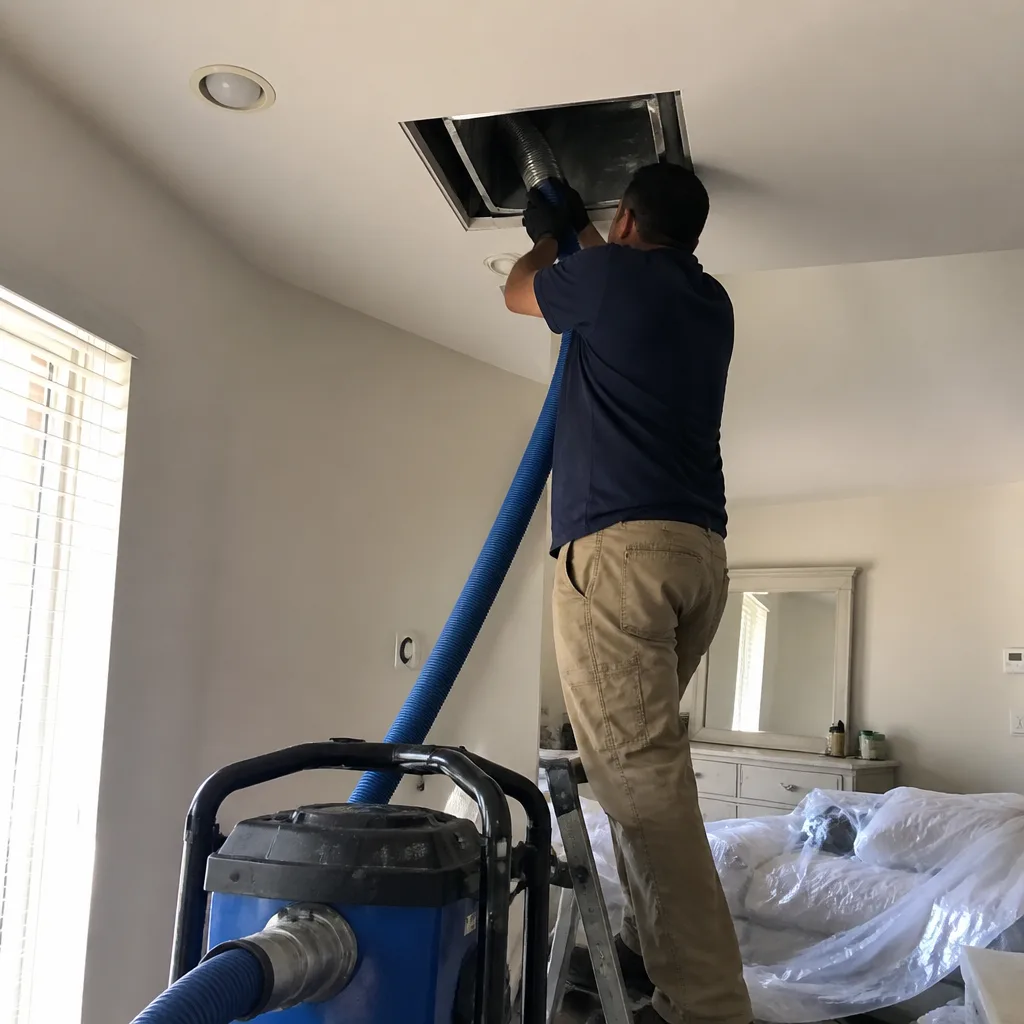 After
After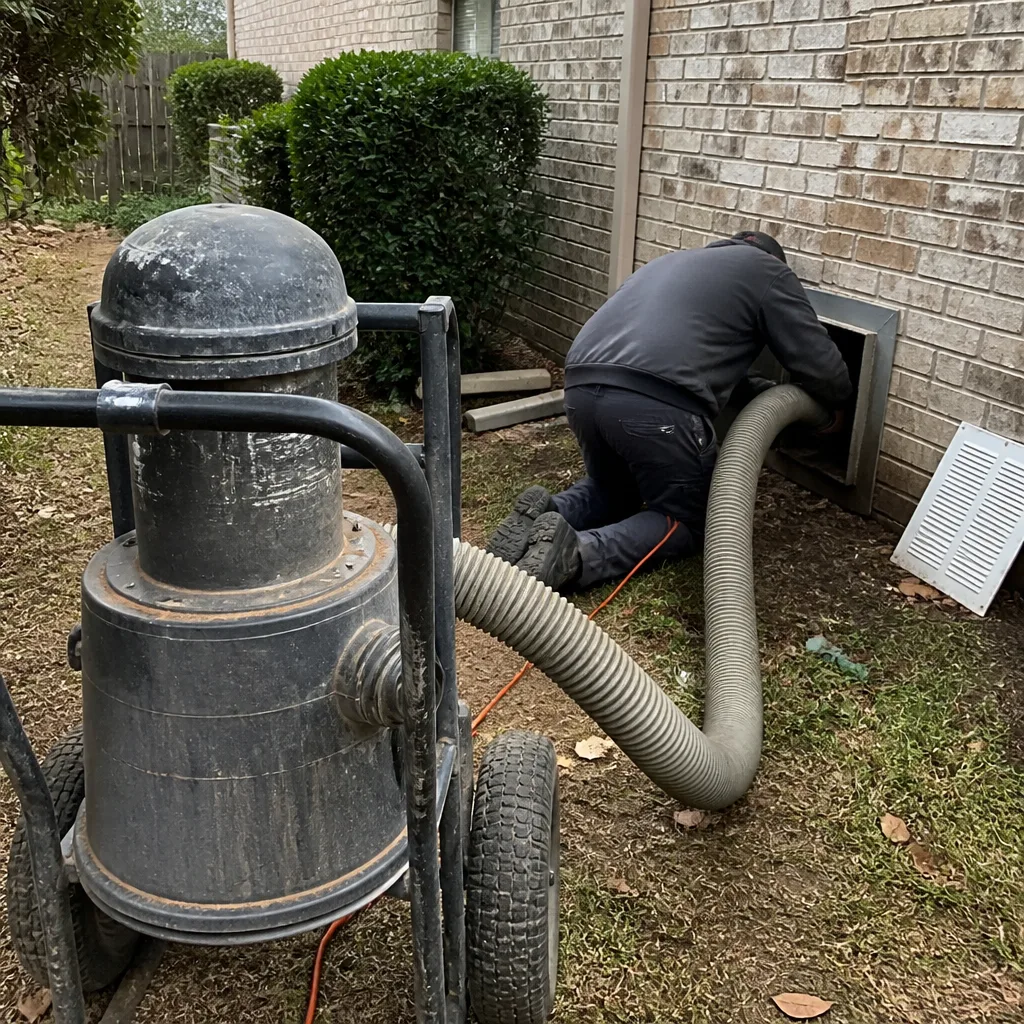 Before
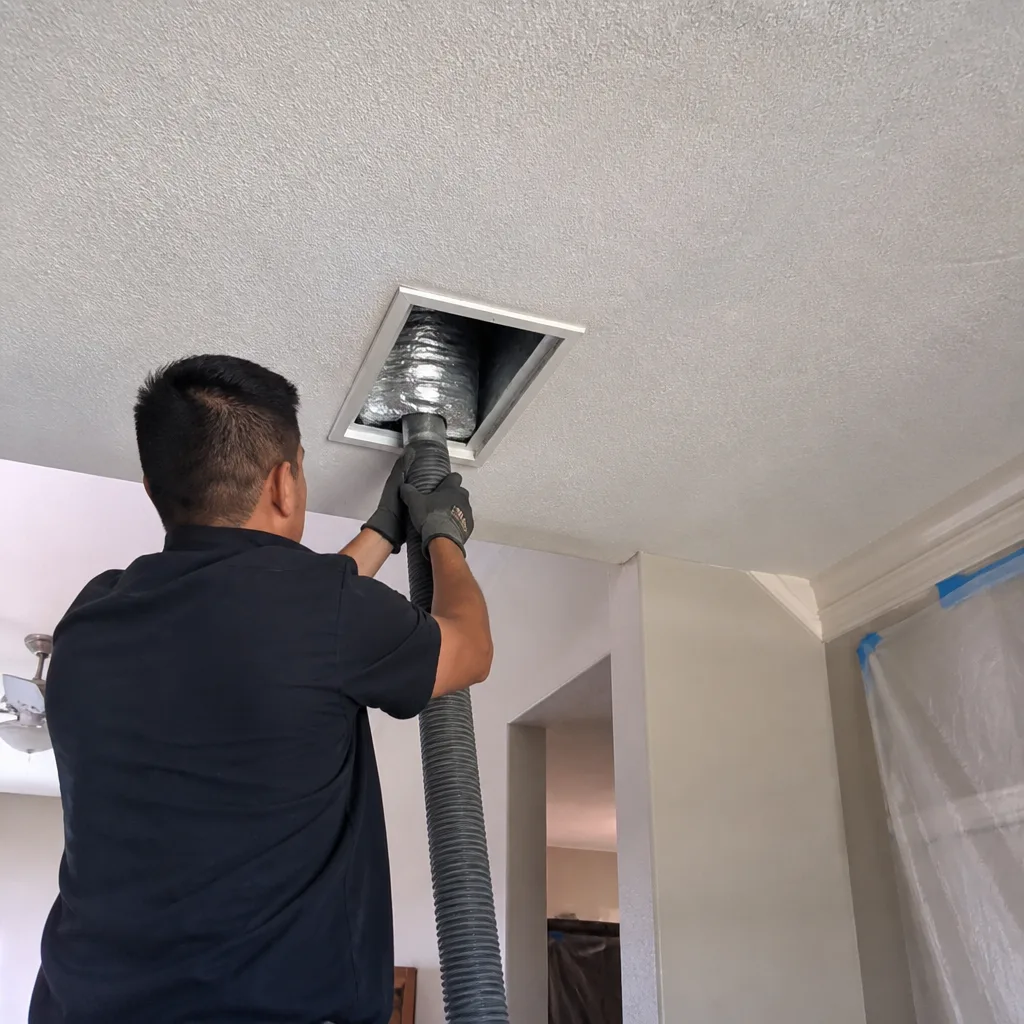 After
After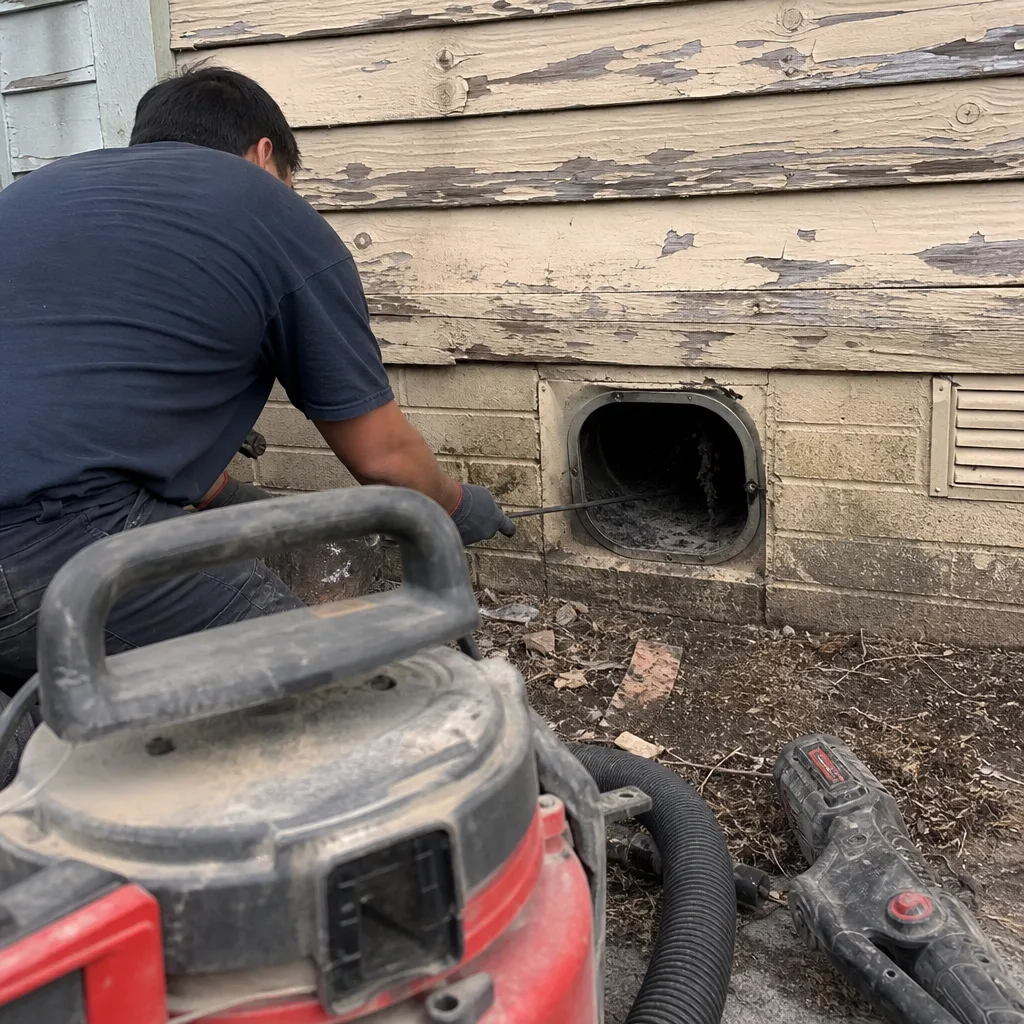 Before
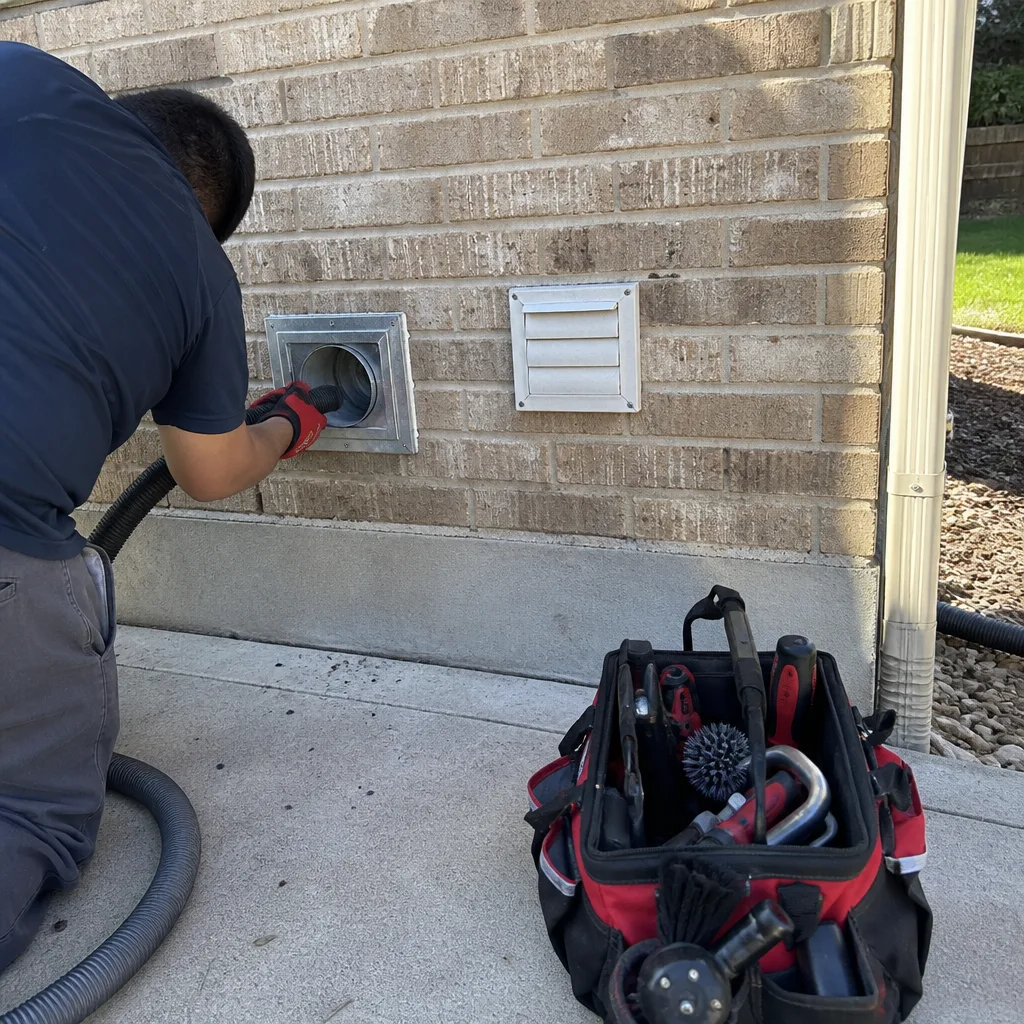 After
AfterAir Duct Cleaning Warning Signs: A Irving Homeowner’s Reference Guide
Dust lines on the ceiling above your supply register have a name in the trade: ghosting. Most Irving homeowners we meet assume it’s a paint issue or a sign they need better filters. It’s neither. Ghosting is a pressure map made visible, dark lines forming where high-velocity air deposits particulate at the edges of the airstream. In 2013, when CleanRun started documenting duct conditions across Irving, we found ghosting in nearly every home built during the 2005-2012 construction boom, where ducts were often sized for cost rather than correct CFM delivery. This guide shows you seven warning signs that look like minor annoyances but indicate measurable duct problems, what each one means mechanically, and which ones cleaning alone can fix.
Quick Answer
The warning signs that your Irving home needs air duct cleaning or repair include: visible dust accumulation at registers within 48 hours of cleaning, uneven room temperatures that don’t correspond to vent position, musty odors present only during the first minutes of AC operation, ceiling ghosting near supply registers, debris visible inside duct openings, reduced airflow at distant registers, and unexplained increases in energy bills during peak cooling months. Some indicate contamination requiring cleaning; others signal duct design problems or leakage that cleaning alone won’t resolve.
Table of Contents
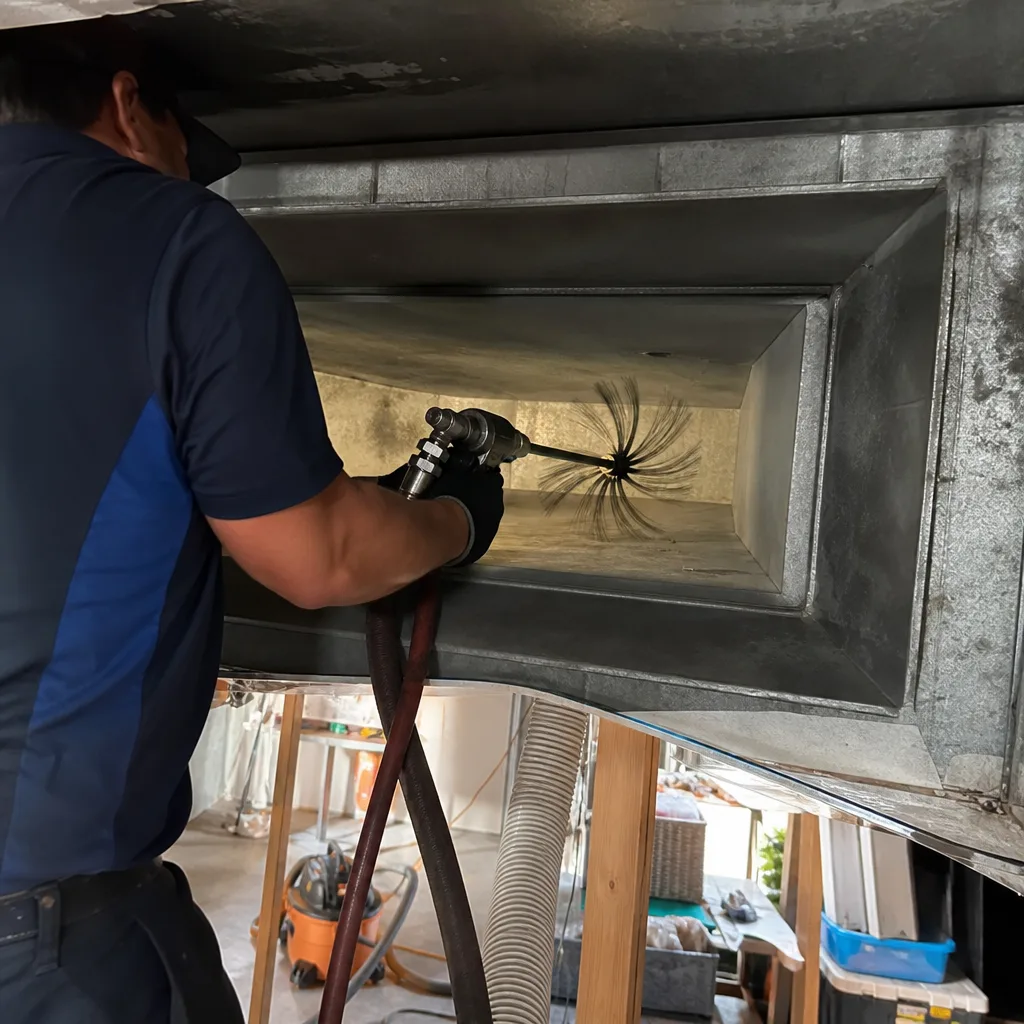
- Ceiling Ghosting: What Dark Lines Near Registers Actually Mean
- The Metallic-Sweet Startup Odor: Timing Is the Diagnostic
- Uneven Room Temperatures: Obstruction, Damper, or Leakage?
- Visible Debris at Registers: Color and Texture as Source Clues
- Reduced Airflow at Distant Registers: Static Pressure Problems
- Rapid Reaccumulation: When “Normal” Dust Isn’t Normal
- Energy Bill Spikes: The Hidden Cost of Duct Leakage
- Cleaning vs. Repair: Which Signs Indicate Which Problem
BeforeAfterCeiling Ghosting: What Dark Lines Near Registers Actually Mean
Ghosting appears as dark gray or brownish lines on painted ceilings, radiating outward from supply register edges or forming rectangular shadows that match the register footprint exactly. In Irving’s market, we document this pattern most frequently in two-story homes in Valley Ranch and Las Colinas, where flexible duct runs (flex) were installed through hot attic spaces and compressed during insulation installation, reducing effective diameter.
The mechanism is straightforward but often misunderstood. When a duct is undersized or obstructed, the register must deliver the same CFM through a smaller effective opening. Velocity increases. Higher-velocity air creates turbulent boundary layers at the register edges, and those turbulent zones deposit particulate, skin cells, and combustion byproducts from gas appliances onto the ceiling surface over months or years. The result is a permanent stain that repainting won’t fix because the underlying pressure imbalance remains.
What ghosting tells you about your system:
- Rectangular shadow matching the register exactly: Likely filter bypass. The filter is not sealing properly in its rack, or a 1-inch filter has been installed in a 2-inch housing without a spacer, allowing unfiltered air to enter the return plenum (the large sheet-metal box where return air enters before the blower).
- Radiating lines from register corners: Typically indicates excessive velocity from undersized duct or partially collapsed flex. Common in Irving homes with original flex duct installed during the mid-2000s building surge.
- Lines connecting multiple registers: Suggests return-side leakage pulling attic air through ceiling penetrations, depositing insulation fibers and outdoor particulate across the ceiling plane.
Cleaning the ducts will remove the source particulate but won’t correct the velocity problem. In our documented photo records from Irving jobs, ghosting recurrence within 18 months after cleaning alone is approximately 60% when velocity issues aren’t addressed. The correct sequence: identify the restriction, correct or replace the affected duct run, then clean. CleanRun’s Air Duct Cleaning in Irving includes static pressure measurement before and after to verify that velocity returns to design range.
The Metallic-Sweet Startup Odor: Timing Is the Diagnostic
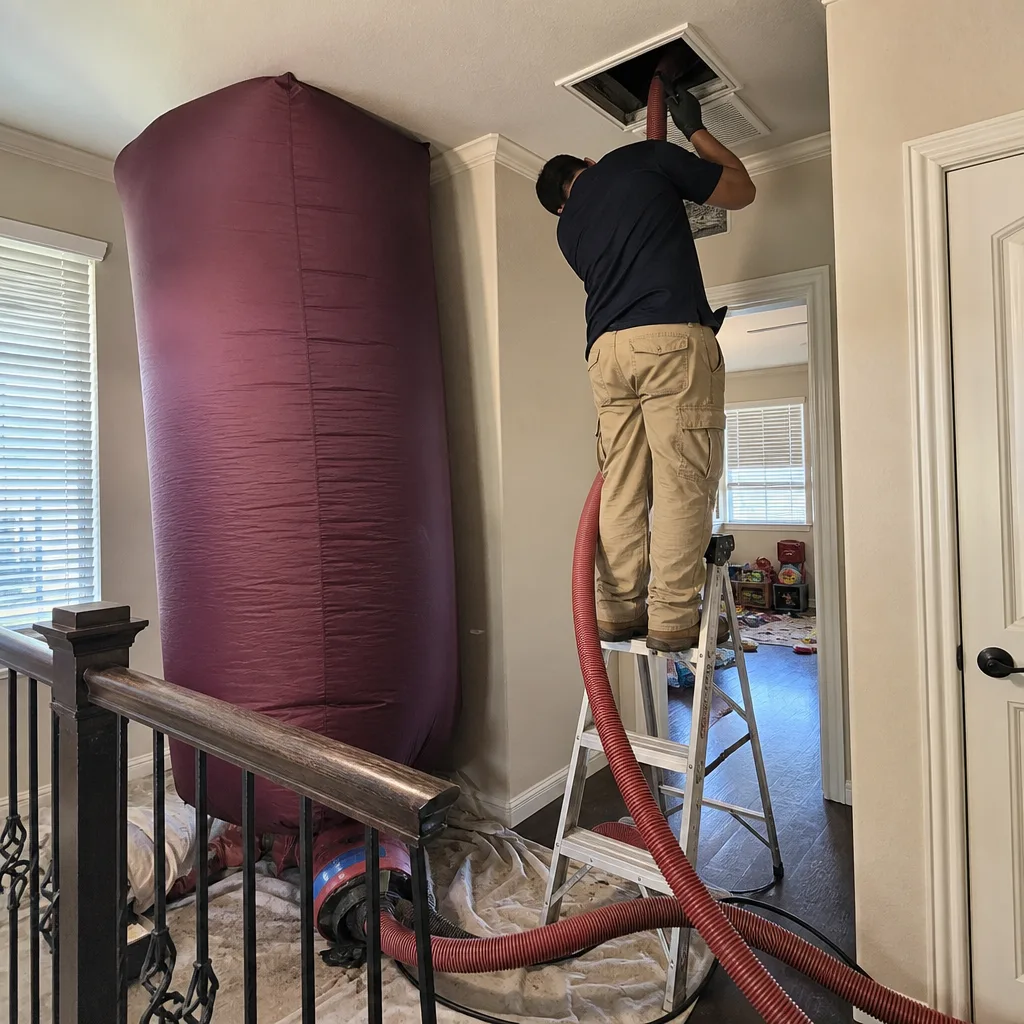
Not all odors indicate dirty ducts. The critical diagnostic is timing. A musty smell that appears only during the first 3-5 minutes of AC operation, then fades as cooling continues, points to microbial growth on the evaporator coil or in the condensate pan, not general duct contamination. The odor profile matters too: metallic-sweet suggests bacterial biofilm on the coil; sharp and ammonia-like indicates standing water in the secondary drain pan; earthy and persistent throughout the cycle suggests ductwork itself.
Irving’s climate makes this distinction important. From May through October, our average relative humidity runs 60-70%, and attic temperatures in unconditioned spaces exceed 140°F. These conditions accelerate microbial growth on coils that aren’t drying properly between cycles. The odor is most pronounced on first startup because the initial air surge dislodges volatile organic compounds produced by microbial metabolism. As the coil temperature drops below 50°F, microbial activity slows and the odor diminishes.
How to distinguish coil odor from duct odor:
- Test at the thermostat: Set the system to FAN ON (not auto) for 10 minutes. If the odor appears immediately and persists, the source is likely the ductwork or return plenum. If it appears only when cooling starts, the source is the coil or condensate system.
- Check the drain line: A clogged primary drain in Irving’s hard water conditions causes standing water in the pan. Look for algae staining on the exterior of the PVC drain line near the air handler.
- Inspect the filter frame: A filter installed backwards or without proper end caps allows unfiltered air to bypass the media and deposit organic material on the coil, accelerating biofilm formation.
Coil contamination requires HVAC cleaning, not duct cleaning alone. CleanRun’s HVAC Cleaning in Irving includes coil treatment with foaming cleaner and biocide application where indicated, documented with before-and-after photos under the 365-Day Done Right Promise. Duct cleaning without coil treatment in these cases is incomplete; the odor returns within days.
Uneven Room Temperatures: Obstruction, Damper, or Leakage?
One room that never reaches set temperature is the most common complaint we hear from Irving homeowners, and it’s the most frequently misdiagnosed. The cause determines whether DIY vs Professional Air Duct Cleaning helps, whether repair is needed, or whether the problem is in the building envelope rather than the duct system.
Duct obstruction produces a temperature difference that correlates with register airflow. If you hold your hand to the register and feel weak airflow compared to other rooms, and the air that does arrive is appropriately cool, the duct is restricted. Causes we find in Irving include: collapsed flex duct (common in attics where insulation installers compressed the run), debris accumulation at a sharp elbow (particularly in two-story homes where a 90-degree turn was needed to clear a header), or a disconnected damper that has rotated closed inside the duct. Cleaning removes debris obstructions. Collapsed or damaged duct requires repair or replacement.
Damper problems produce different symptoms. Manual balancing dampers, common in Irving homes built 2000-2010, can slip closed from vibration or thermal cycling. The register still has airflow, but it’s reduced proportionally across all dampened branches, not just one room. Testing: with the system running, remove the register and look down the duct with a flashlight. A partially closed damper appears as a metal plate across the duct diameter, often with a small adjustment handle visible. This is a mechanical repair, not a cleaning issue.
Duct leakage produces the most confusing pattern. The register has normal or strong airflow, but the room doesn’t cool. Air is leaking from the duct in the attic or wall cavity before reaching the register, so the volume at the register is correct but the temperature is wrong, warmed by 140°F attic air mixing with conditioned supply. In Irving’s summer conditions, a 15% leakage rate can raise supply air temperature by 8-12°F. The diagnostic: measure temperature at the register with a thermometer. If it’s more than 4°F above the thermostat setpoint during normal operation, leakage is likely. CleanRun’s duct repair and sealing service addresses this with mastic sealing and, where appropriate, aerosol sealant application.
Neighborhood context matters. In Cottonwood Valley and Hackberry Creek, we see more leakage from settling foundation movement cracking duct seams. In older Irving neighborhoods near downtown, original metal duct with fiberglass liner often has liner degradation that’s misdiagnosed as simple dirt accumulation.
Visible Debris at Registers: Color and Texture as Source Clues
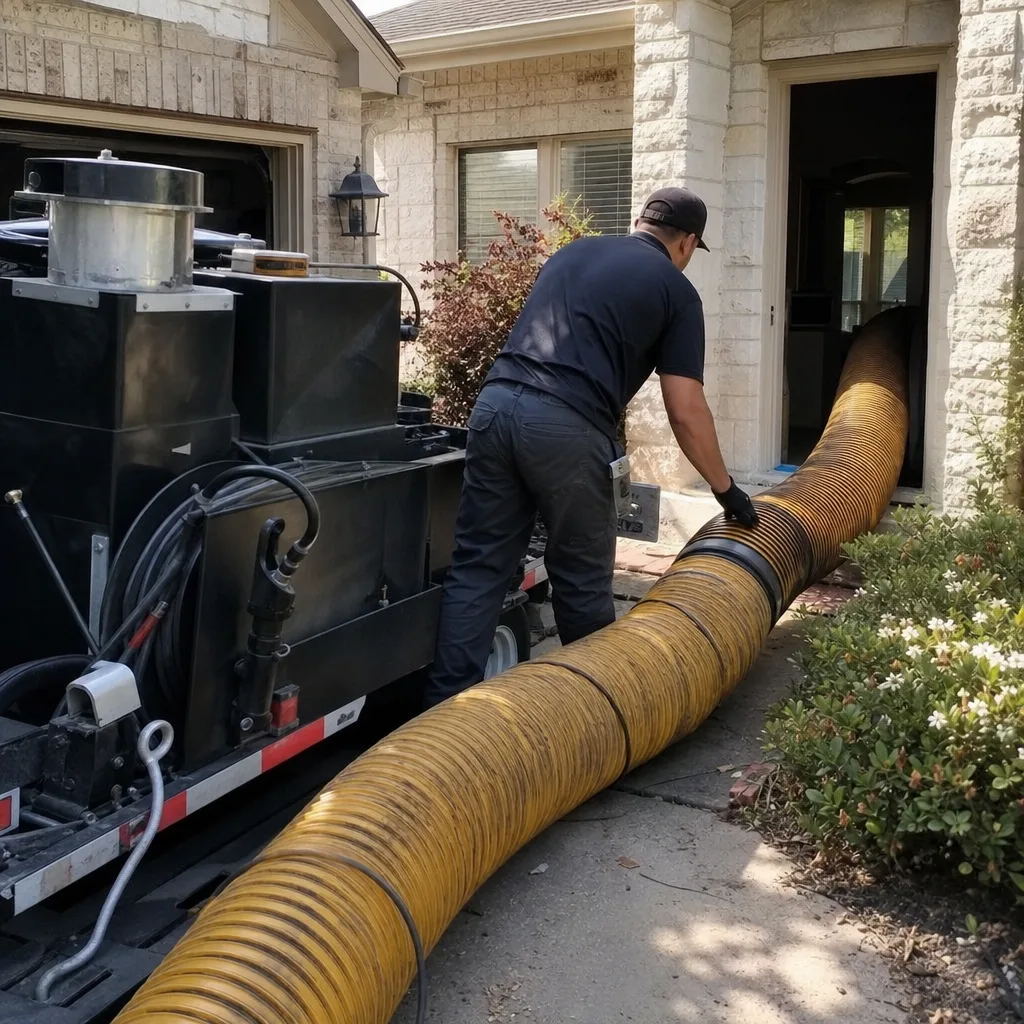
What you see when you remove a floor or ceiling register is evidence. The color, texture, and location of debris tell us where contamination originates and whether it’s ongoing or historical.
Black or dark gray, fine and powdery: Typically combustion byproducts from gas appliances, candle soot, or automotive exhaust drawn in through return leaks. In Irving, we see this frequently in homes with attached garages where the return plenum has a leakage path, or in homes with vent-free gas logs. The debris is oily and smears when touched. This source will continue until the return leak is sealed; cleaning alone provides temporary improvement.
Orange-tinted dust: Indicates iron oxide, usually from deteriorating galvanized duct or from fine particulate in our local water supply that has dried and become airborne. Irving’s municipal water has moderate hardness with some iron content; evaporative humidifiers or swamp coolers (rare now but common in older systems) deposit this residue. The orange color is distinctive and points to a source that may need addressing beyond cleaning.
Fibrous, cotton-like material: Almost always degraded duct liner or deteriorated flex duct inner core. This is a structural problem, not a cleanliness problem. The duct material is breaking down and distributing into the airstream. In our photo records, we’ve found this in flex duct exposed to attic temperatures above 150°F for extended periods, causing the polymer core to become brittle. Cleaning removes the loose material but the duct continues to degrade. Replacement is indicated.
Uniform gray, household dust consistency: Normal accumulation if present in thin layers. Excessive buildup, or visible clumping more than 1/4 inch deep, indicates inadequate filtration, high particulate load, or long intervals between filter changes. In Irving’s spring pollen seasons, this can accelerate dramatically.
When CleanRun technicians document a register opening, the photo record includes a ruler for scale and notes debris characteristics. Customers receive these images as part of the standard job record, with the written scope of work and final invoice.
Reduced Airflow at Distant Registers: Static Pressure Problems
The register farthest from your air handler should not feel like an afterthought. If it does, your system is working harder than designed and delivering less comfort than paid for. The technical measure is static pressure, the resistance the blower works against. Residential systems are designed for 0.5 inches water column (a unit of pressure) total external static pressure. We measure higher than this in approximately 40% of Irving homes during initial assessment.
Static pressure increases from several causes, and each requires different intervention:
- Excessive duct length with insufficient diameter: Common in large Irving homes in MacArthur Ranch or Windsor Ridge, where a single duct run may exceed 50 feet to reach a distant bonus room. The friction loss across that length, especially with flex duct rather than hard pipe, can reduce airflow to 30% of design. Cleaning doesn’t change duct geometry.
- Multiple sharp turns: Each 90-degree elbow in a duct run adds equivalent friction length of 5-10 feet. Two elbows in a short run, common when ducts are routed around structural elements, can effectively double the resistance. Photo documentation often reveals elbows that were compressed during installation, further reducing effective diameter.
- Closed or blocked dampers: Sometimes intentional, sometimes forgotten by previous homeowners. We find manual dampers closed in 15-20% of Irving homes where the homeowner never knew they existed.
- Filter overloading: A filter loaded with debris can add 0.3 inches or more to static pressure by itself. The MERV rating matters too; high-MERV filters (13+) in systems not designed for them restrict airflow significantly. In Irving’s dusty spring conditions, a MERV 11 filter may need monthly inspection.
Cleaning improves airflow when the restriction is debris accumulation at elbows or in the register boot (the sheet-metal transition from duct to register). It does not improve airflow when the restriction is duct design. CleanRun’s written scope distinguishes between these: “cleaning indicated” versus “duct modification recommended.” No work proceeds without the homeowner seeing both the photo evidence and the written price for each option under Haven Standard Clause 1.
Rapid Reaccumulation: When “Normal” Dust Isn’t Normal
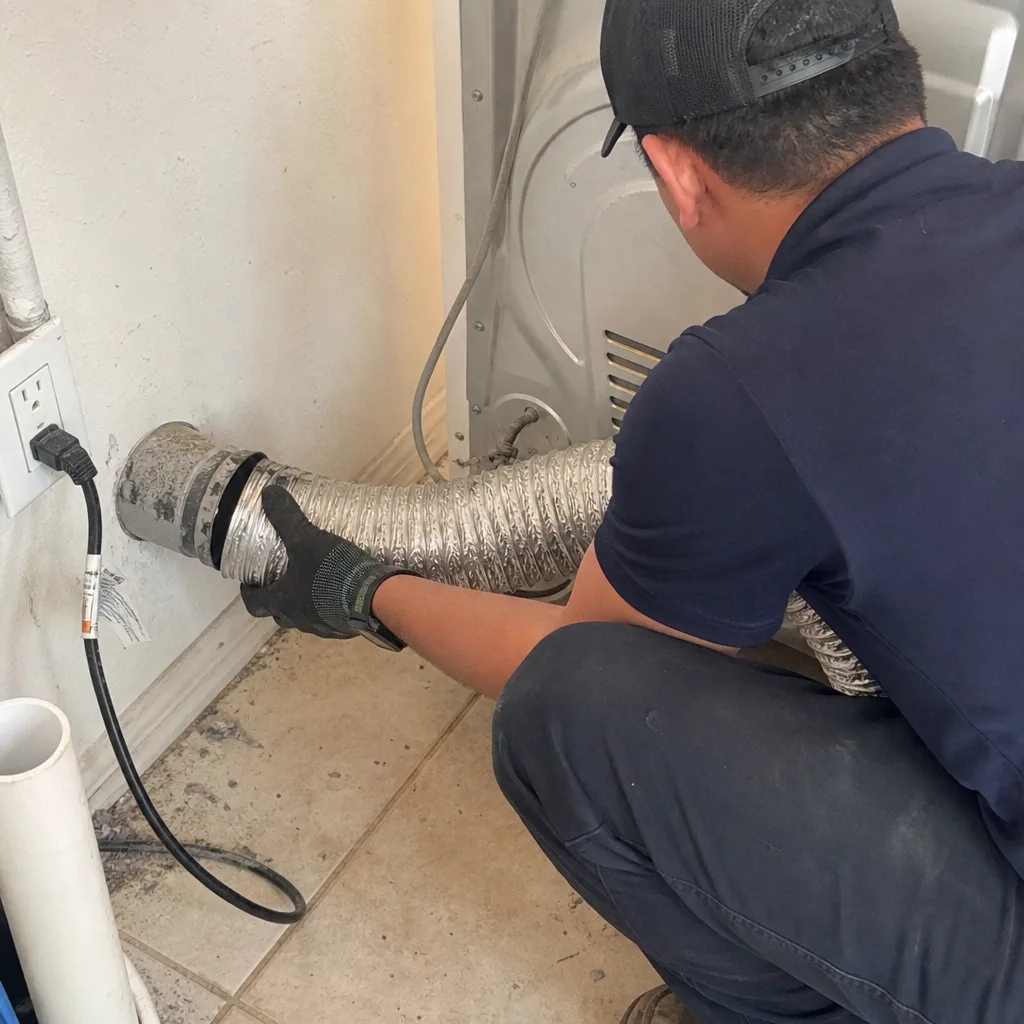
Every home has dust. The diagnostic question is rate, not presence. If you’re wiping visible accumulation from registers or furniture within 48 hours of cleaning, or if your filter shows significant loading within two weeks of replacement, your system is either generating particulate internally or pulling it from an unintended source.
Internal generation sources we document in Irving:
- Deteriorating duct liner: As mentioned above, degraded liner sheds fibers continuously. The rate accelerates with temperature cycling. Attic ducts in Irving experience more severe cycling than conditioned-space ducts.
- Blower motor brush wear: Older PSC motors with carbon brushes generate fine black dust that distributes through the system. This appears as uniform black film on registers and nearby surfaces.
- Evaporator coil degradation: Corroded or fin-damaged coils shed aluminum oxide particles, visible as gray metallic dust.
External infiltration sources:
- Return-side leakage: The return plenum operates under negative pressure, pulling air from any leakage path. In Irving’s climate, attic air contains insulation fibers, pollen, and during construction periods in developing areas, fine particulate from adjacent building sites. We see this frequently in newer Irving developments where home construction is ongoing nearby.
- Filter bypass: A 16x25x1 filter in a 16x25x2 housing without a spacer, or a filter that has bowed inward from pressure, creates gaps where unfiltered air enters. The gap may be only 1/4 inch, but at blower suction pressure, this bypasses 15-20% of total airflow.
Cleaning addresses accumulated debris but not the generation or infiltration source. CleanRun’s documented photo record includes register and plenum images that show whether bypass or leakage is present, with written recommendations for sealing or filter housing modification.
Energy Bill Spikes: The Hidden Cost of Duct Leakage
An unexplained 15-25% increase in summer cooling costs, without rate changes or thermostat adjustment, often traces to duct leakage that developed gradually. The homeowner doesn’t feel temperature change immediately because the system runs longer to compensate, until compressor failure or extreme bills force attention.
Irving’s climate makes this particularly expensive. With design temperatures of 96°F and frequent stretches above 100°F, attic duct leakage forces the system to cool 140°F attic air that enters through supply leaks, while losing conditioned air through supply leaks to the same attic. The net effect is cooling capacity spent on air that never reaches living space. Department of Energy estimates for our climate zone suggest 20-30% cooling loss from typical leakage rates in older systems.
The warning sign pattern: bills increase gradually over 2-3 seasons, room temperatures become harder to maintain during peak afternoon hours, and the outdoor unit runs continuously without cycling off. The homeowner often replaces the thermostat, then the filter, then calls for refrigerant charge check before considering ducts.
Leakage location matters for detection. Supply leaks in attic ducts are invisible from living space. Return leaks may produce visible dust patterns or cause the return grille to rattle from excessive air entry. A simple preliminary check: with the system running, hold a tissue near the return grille edges. If it’s drawn inward strongly, the grille is sealed adequately. If it flutters or shows no movement, there’s likely a leakage path behind the grille.
Duct sealing, not cleaning, is the correct intervention. CleanRun’s duct repair and sealing service includes pressure testing with documented before-and-after leakage rates, performed under Haven Standard Clause 1 written pricing. The 365-Day Done Right Promise covers sealing performance; if leakage returns due to workmanship, we return at no charge.
Cleaning vs. Repair: Which Signs Indicate Which Problem
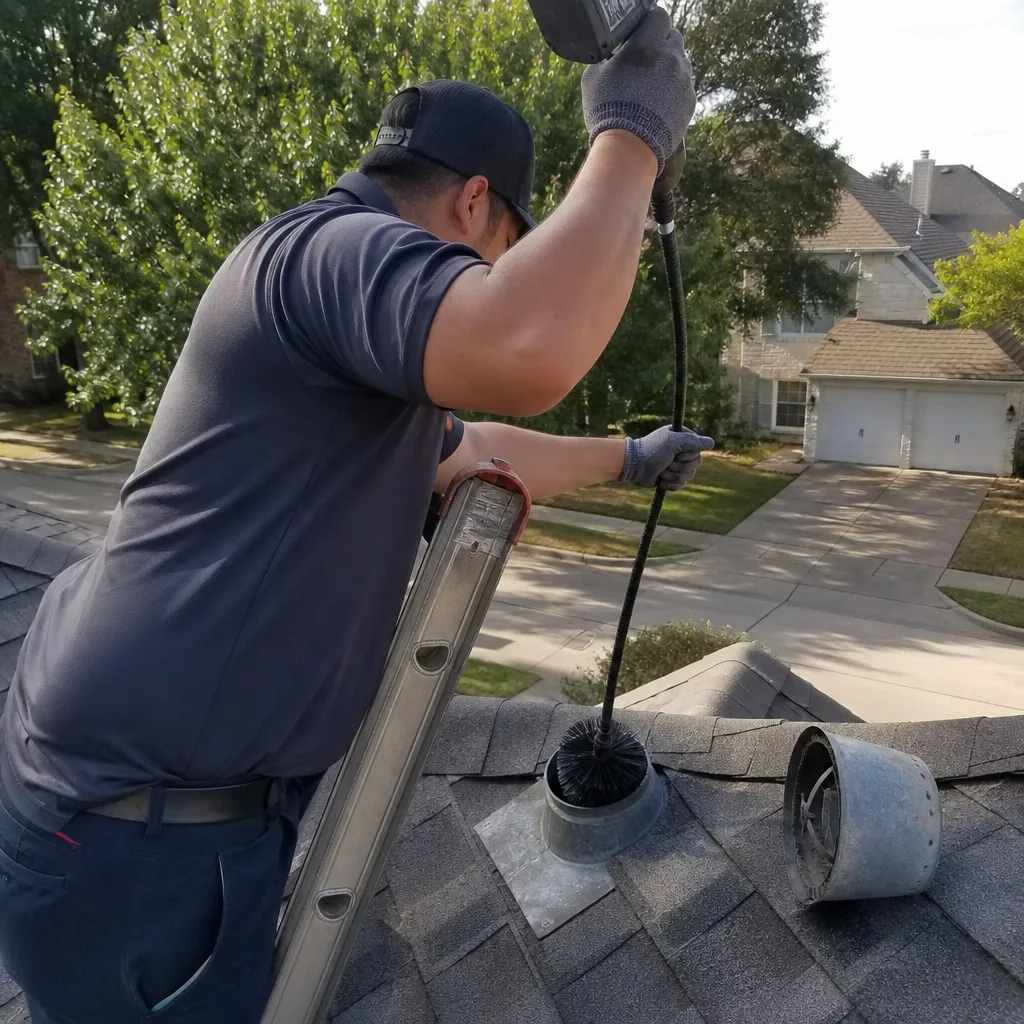
This distinction prevents the most common dissatisfaction we hear about from Irving homeowners who used other services: paying for cleaning when repair was needed, or paying for repair when cleaning would have sufficed. The table below maps warning signs to appropriate intervention based on our documented findings since 2013.
| Warning Sign | Primary Cause | Cleaning Sufficient? | Repair Also Needed? |
|---|---|---|---|
| Ceiling ghosting (radiating lines) | High register velocity from undersized duct | No | Yes: duct resizing or restriction removal |
| Metallic-sweet odor, first 3-5 min only | Microbial growth on evaporator coil | No | Yes: coil cleaning and drain treatment |
| Weak airflow at one register, cool air present | Debris obstruction at elbow or boot | Yes | No, unless duct is damaged |
| Weak airflow, warm air at distant register | Duct leakage in attic or wall | No | Yes: mastic sealing or replacement |
| Black powdery debris at registers | Combustion byproducts, return leak | Temporary | Yes: seal return leakage path |
| Fibrous material at registers | Deteriorating duct liner or flex core | No | Yes: duct replacement |
| Rapid dust reaccumulation (48 hours) | Filter bypass or return leakage | Temporary | Yes: correct filter fit or seal leaks |
| Energy bill spike, afternoon performance loss | Progressive duct leakage | No | Yes: pressure test and seal |
The pattern: cleaning addresses contamination that has accumulated in intact ductwork. Repair addresses structural problems, design problems, or leakage paths that generate contamination or waste energy. Some jobs require both, performed in correct sequence. CleanRun’s written scope separates these clearly, with individual pricing for each, so homeowners in Irving understand what they’re paying for and why.
Common Mistakes to Avoid
- Assuming all odor means dirty ducts: In Irving’s humidity, coil and condensate odors are more common than duct contamination. Cleaning ducts without addressing the coil wastes money and leaves the odor unchanged.
- Replacing the filter with a higher-MERV upgrade without checking system compatibility: A MERV 13 filter in a system designed for MERV 8 can increase static pressure enough to reduce airflow 20% and cause blower motor overheating. Check the air handler specifications or have a technician verify.
- Sealing registers with tape or caulk to “stop leaks”: Supply registers are not the leak path; the leaks are in attic duct connections. Sealing registers traps pressure and can damage duct connections further upstream.
- Accepting a per-vent price without whole-system scope: The industry bait-and-switch. A low per-vent price becomes a multi-hundred-dollar invoice once the technician “discovers” additional vents. CleanRun’s written price is per system, agreed before work starts, with no per-vent add-ons.
- Ignoring ghosting as a cosmetic issue: We’ve seen Irving homeowners repaint the same ceiling three times before calling us. The stain returns because the pressure imbalance returns. Correct the duct, then repaint.
- Scheduling cleaning without photo documentation: Without before-and-after images of every duct run, you have no evidence the work was performed. CleanRun’s Documented Photo Record is standard on every visit, delivered with the invoice, not offered as an upgrade.
When to Call a Professional
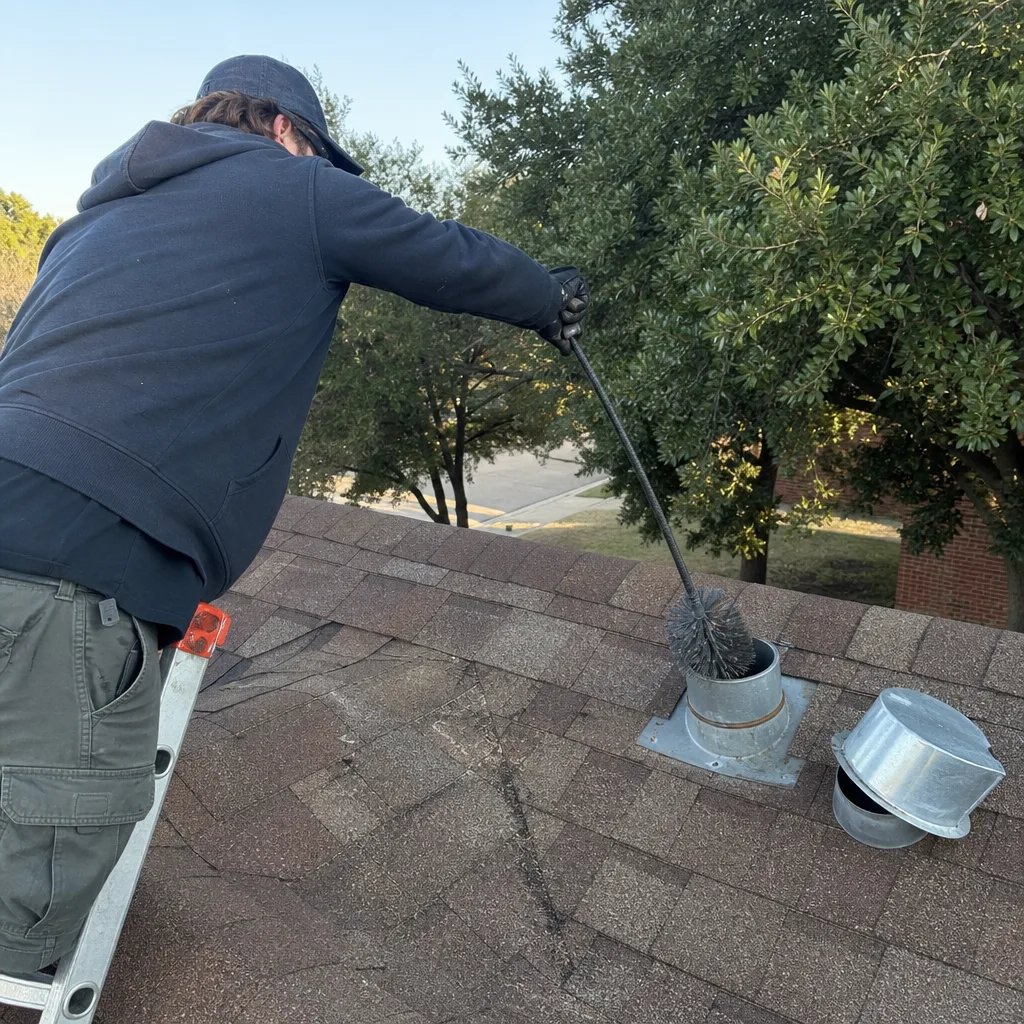
Call for assessment when warning signs persist after you’ve verified basic maintenance: correct filter size and installation, clear condensate drain, and unobstructed outdoor unit. If metallic-sweet odors continue, if one room remains 4°F or more different from others, if ghosting recurs after painting, or if energy bills spike without explanation, the problem is likely in the duct system itself. CleanRun Air Duct Cleaning Irving offers free estimates in Irving, with written scope and pricing delivered before any work begins. Call (682) 297-4068 to schedule. Technicians are background-checked and uniformed under Haven Standard Clause 3: Verified Crews, and will identify themselves by name before arrival.
Frequently Asked Questions
Whole-system air duct cleaning in Irving typically ranges from $450 to $850 for a standard single-system home, depending on duct configuration, accessibility, and whether HVAC cleaning or dryer vent service is included. CleanRun provides one flat price per system, agreed in writing before work starts, with no per-vent add-ons. Call (682) 297-4068 for an exact quote on your home; estimates are free.
The $79-$129 coupon offers typically cover only a superficial vacuuming of accessible register openings, not full-system cleaning with negative-pressure extraction. The technician then presents additional charges for “extra vents,” “sanitizing,” or “deep cleaning” once inside the home. CleanRun’s written price under Haven Standard Clause 1 includes all duct runs, the plenum, and the documented photo record. No additional charges are presented after arrival.
Request before-and-after photos of every duct run, with timestamps or sequence evidence. CleanRun’s Documented Photo Record, standard on every visit since 2013, shows the interior of each duct run before and after cleaning, with the register location identified. Customers receive these images as part of the job record, alongside the written scope and invoice. Equipment used, including Rotobrush and Nikro systems, is documented in the job file.
For most Irving homes with standard fiberglass media filters changed quarterly, every 5-7 years is appropriate. Homes with pets, recent construction, or occupants with respiratory sensitivity may benefit from 3-5 year intervals. More frequent cleaning is rarely necessary unless a specific contamination event occurs, such as water intrusion or rodent infestation. The 365-Day Done Right Promise covers workmanship; if conditions return due to our cleaning performance, we return at no charge.
Surface cleaning of register covers and visible boot interiors is safe homeowner maintenance. Cleaning inside duct runs requires negative-pressure extraction equipment to prevent debris redistribution, and access to the plenum and main trunk lines that requires panel removal. In Irving’s climate, flex duct in attics is easily damaged by improper contact. Professional cleaning with documented results is the practical choice for whole-system work.
Yes. Irving’s combination of high spring pollen counts, summer dust from dry conditions, and humidity that supports microbial growth creates faster accumulation than drier northern climates. Homes in developing areas, such as southern Irving near the Grand Prairie border, may experience additional construction dust loading. The 2005-2012 construction period also produced many homes with duct designs that increase deposition rates, as noted in our ghosting discussion.
The Bottom Line
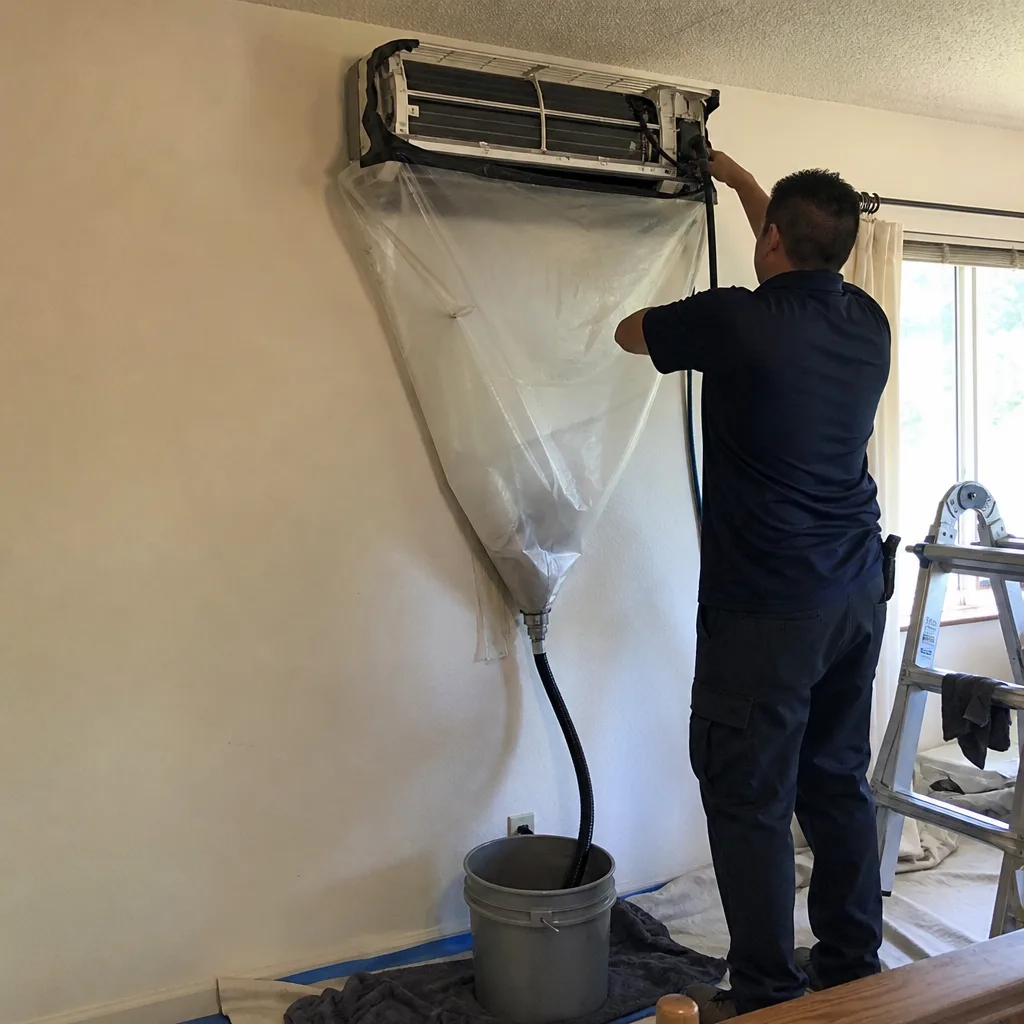
The warning signs that seem minor, a faint odor, a dark ceiling line, one warm room, are the same signs our cameras confirm as active duct problems. Documenting them correctly, distinguishing contamination from structural failure, and matching the intervention to the actual condition-this is what separates accountable work from vacuum noise, as detailed in The Complete Guide to Air Duct Cleaning in Irving. Since 2013, CleanRun has served over 52,000 homes with written prices before work starts, documented photo records on every visit, and the 365-Day Done Right Promise backing every job. If you’re seeing signs in your Irving home, we’ll show you what they mean before recommending what to do about them.
Written by Tomas Reyes, Owner at CleanRun Air Duct Cleaning Irving, serving Irving since 2013.