
Last updated September 23, 2026
Whole-system duct and dryer vent check with before-and-after photos - you see exactly what came out of your vents
That "$99 whole-house special" is a bait ad - the real number appears once they are in your hallway, or the "clean" is a shop-vac at the register. We photograph the inside of your ducts before and after instead.
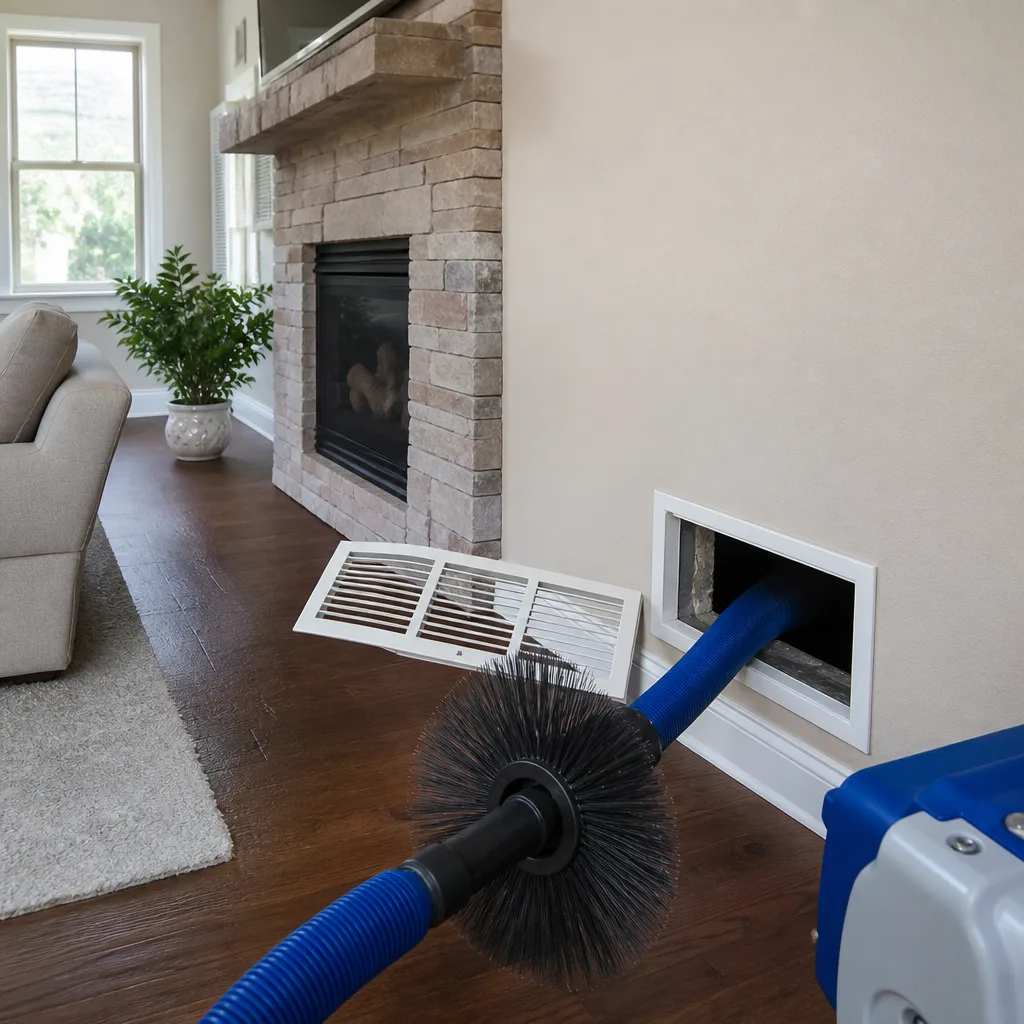
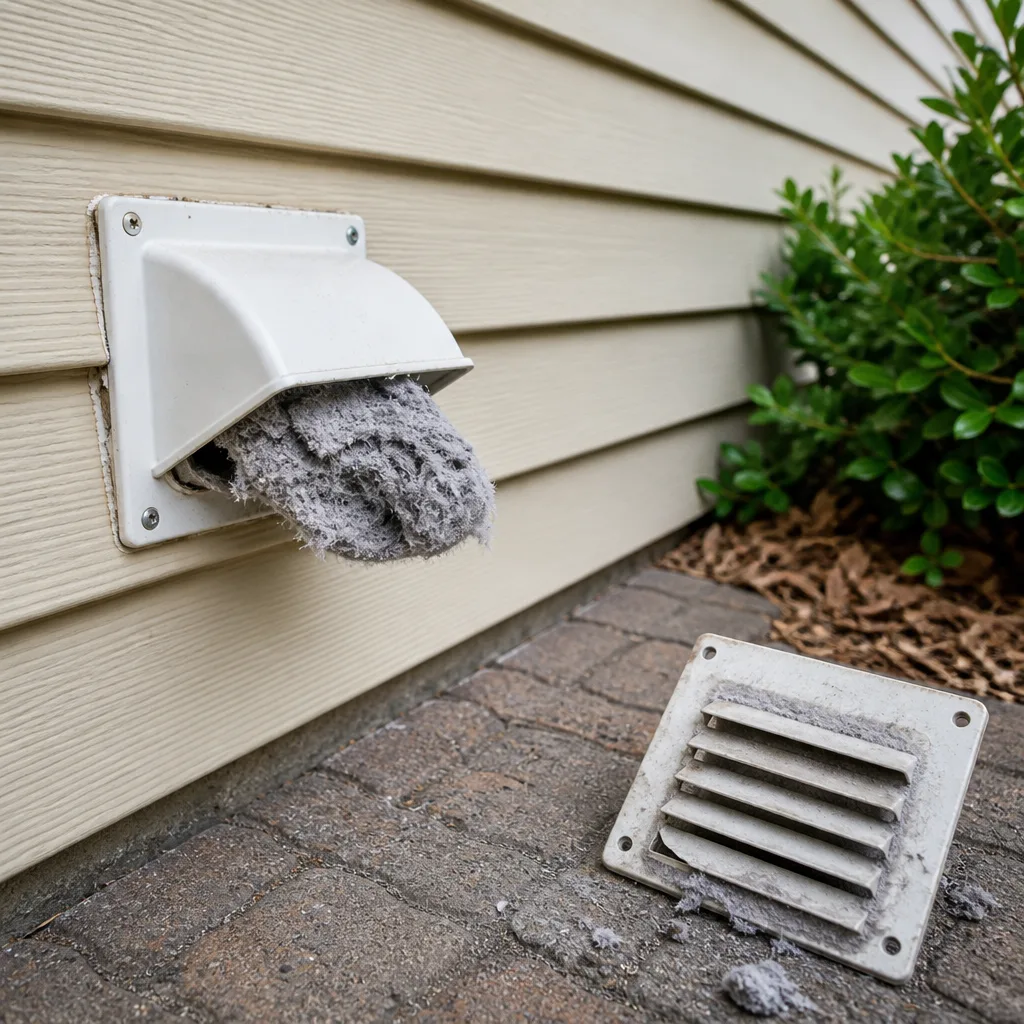
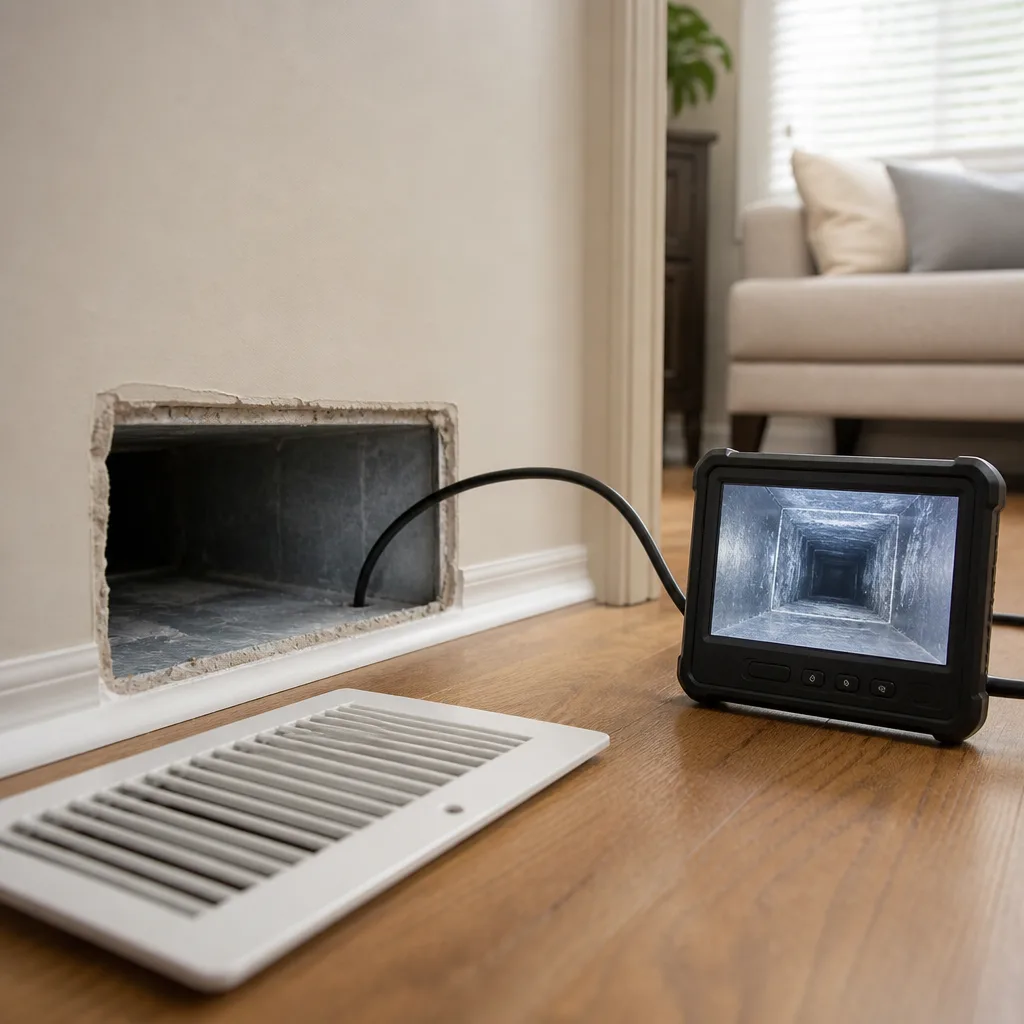
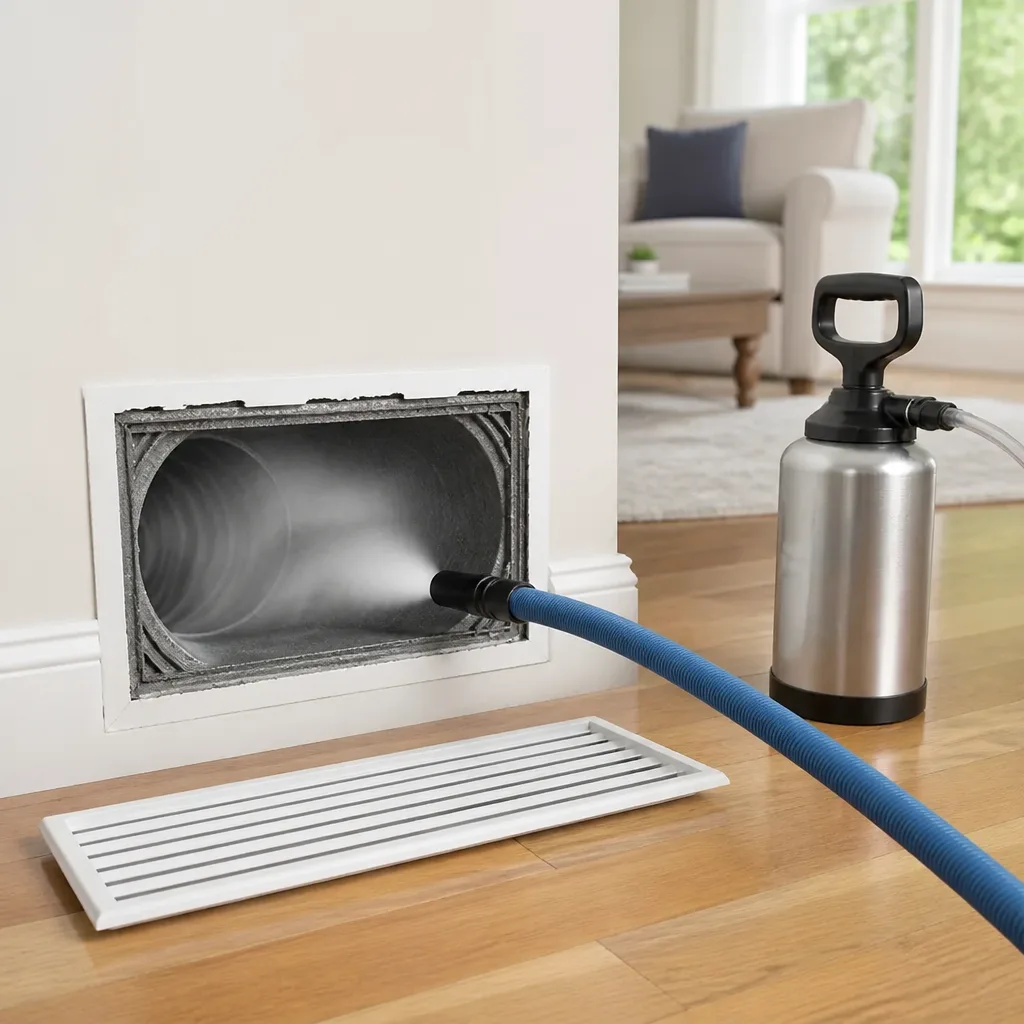
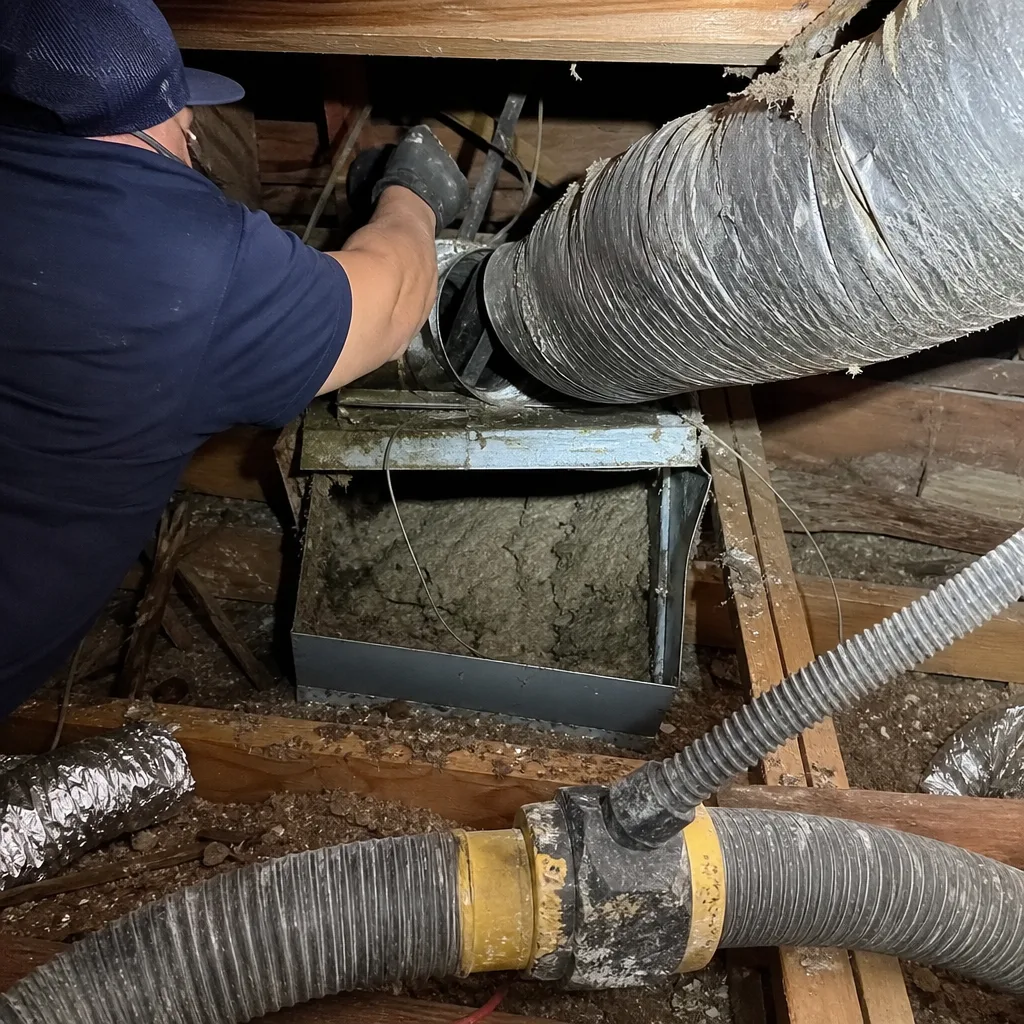 Before
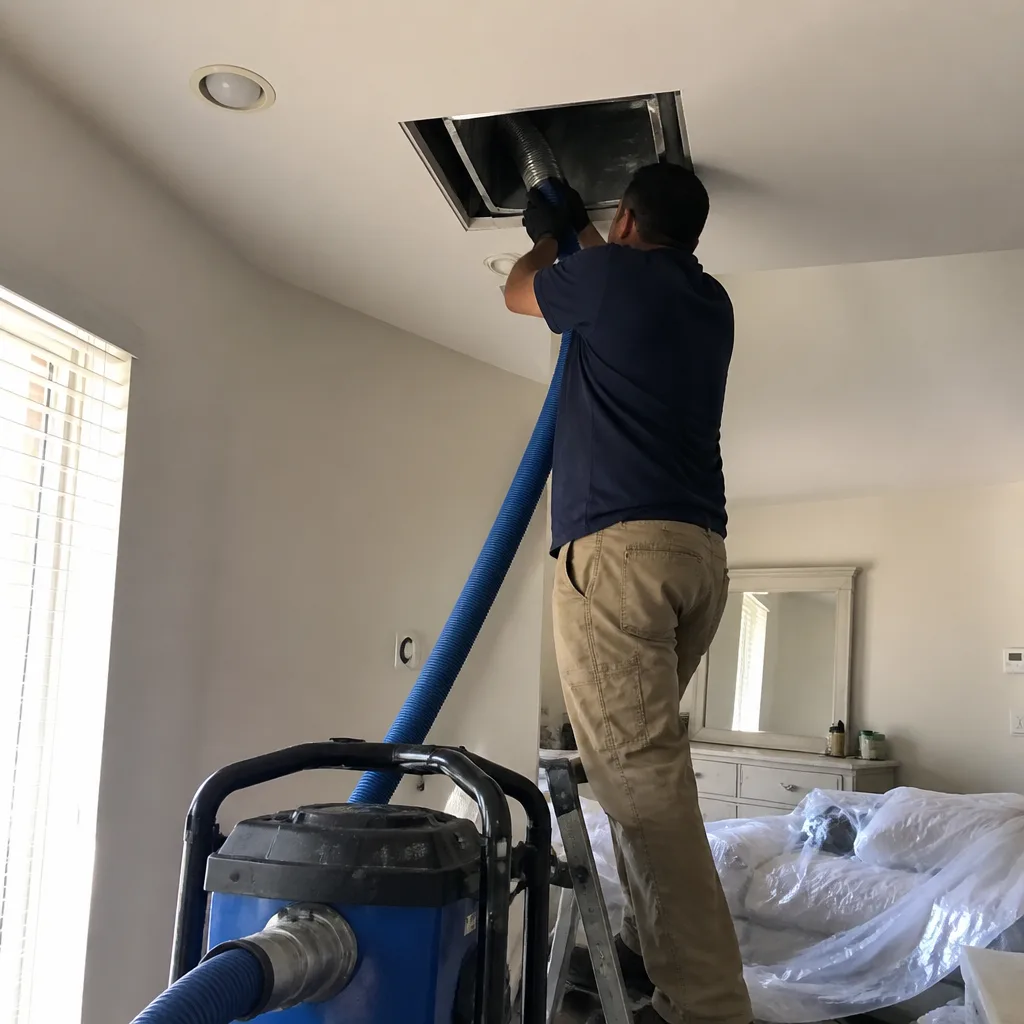 After
After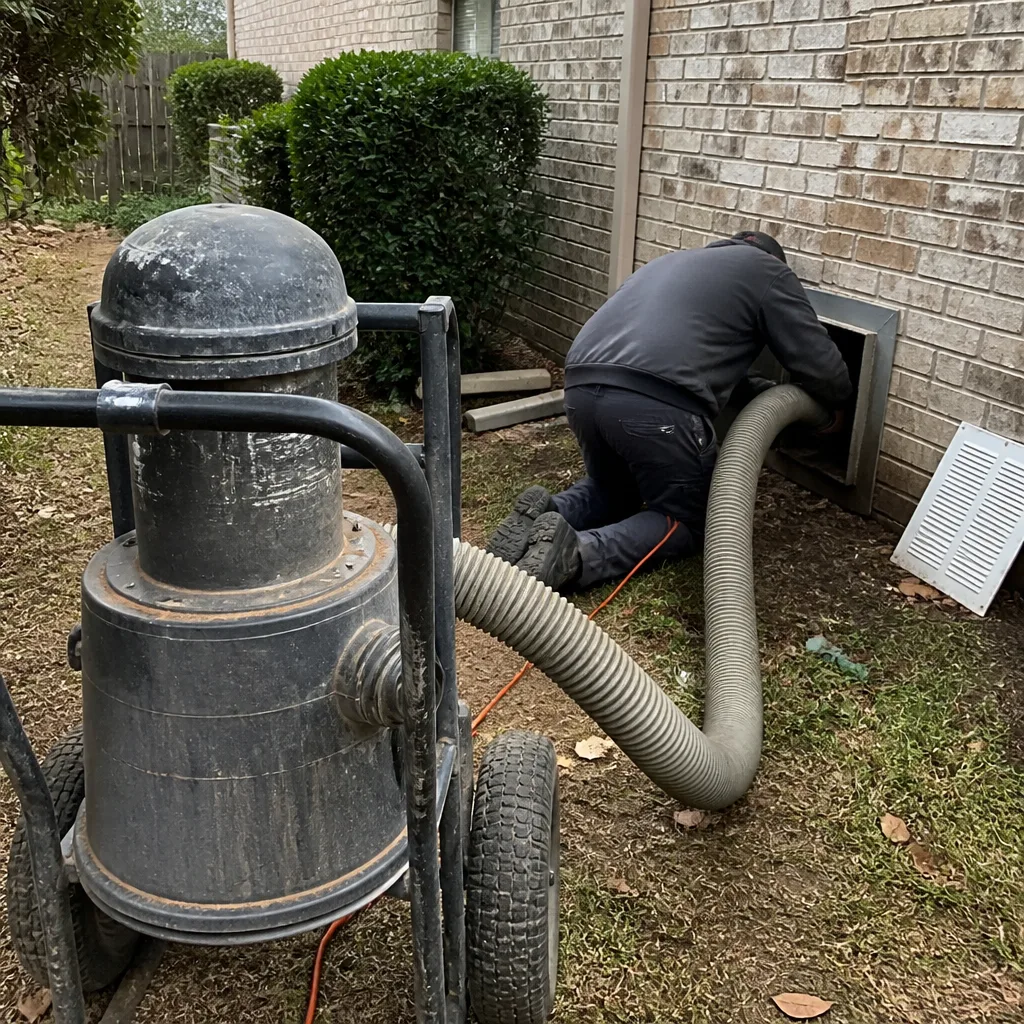 Before
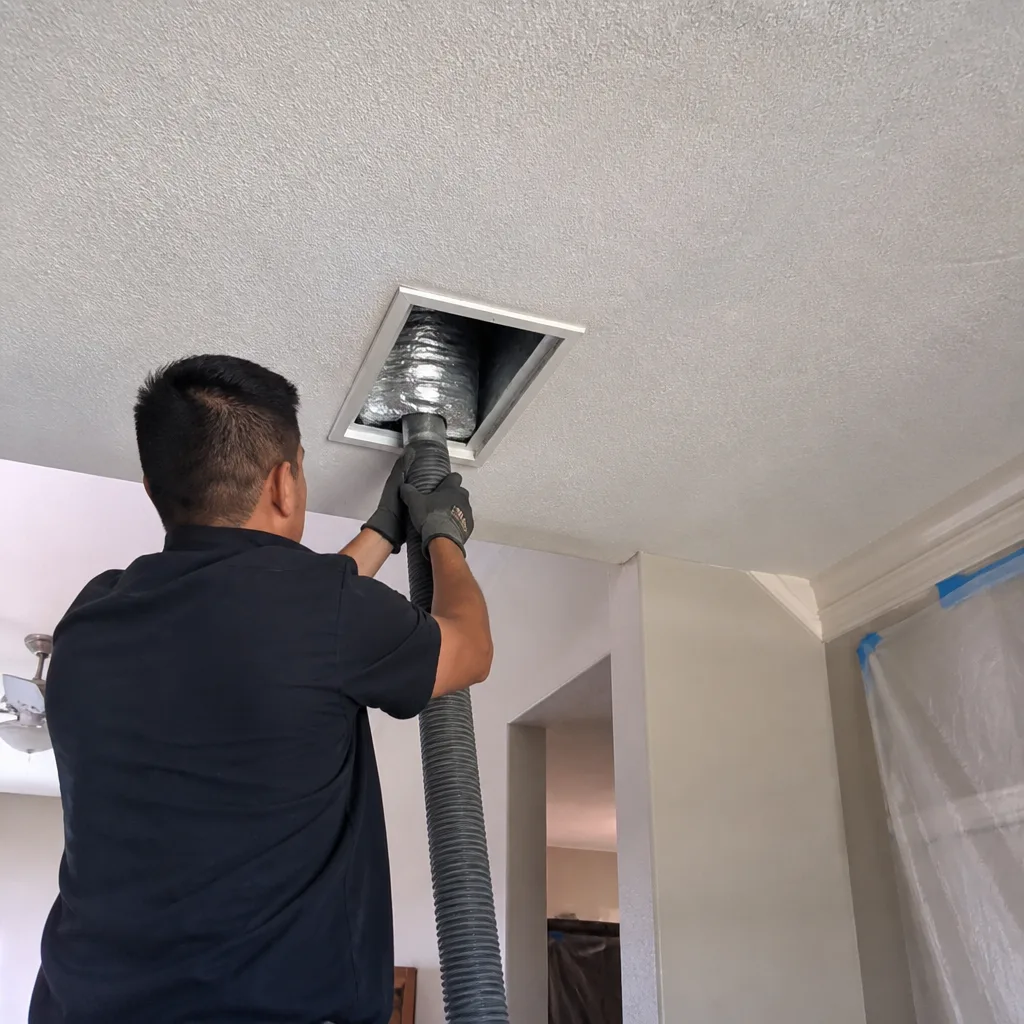 After
After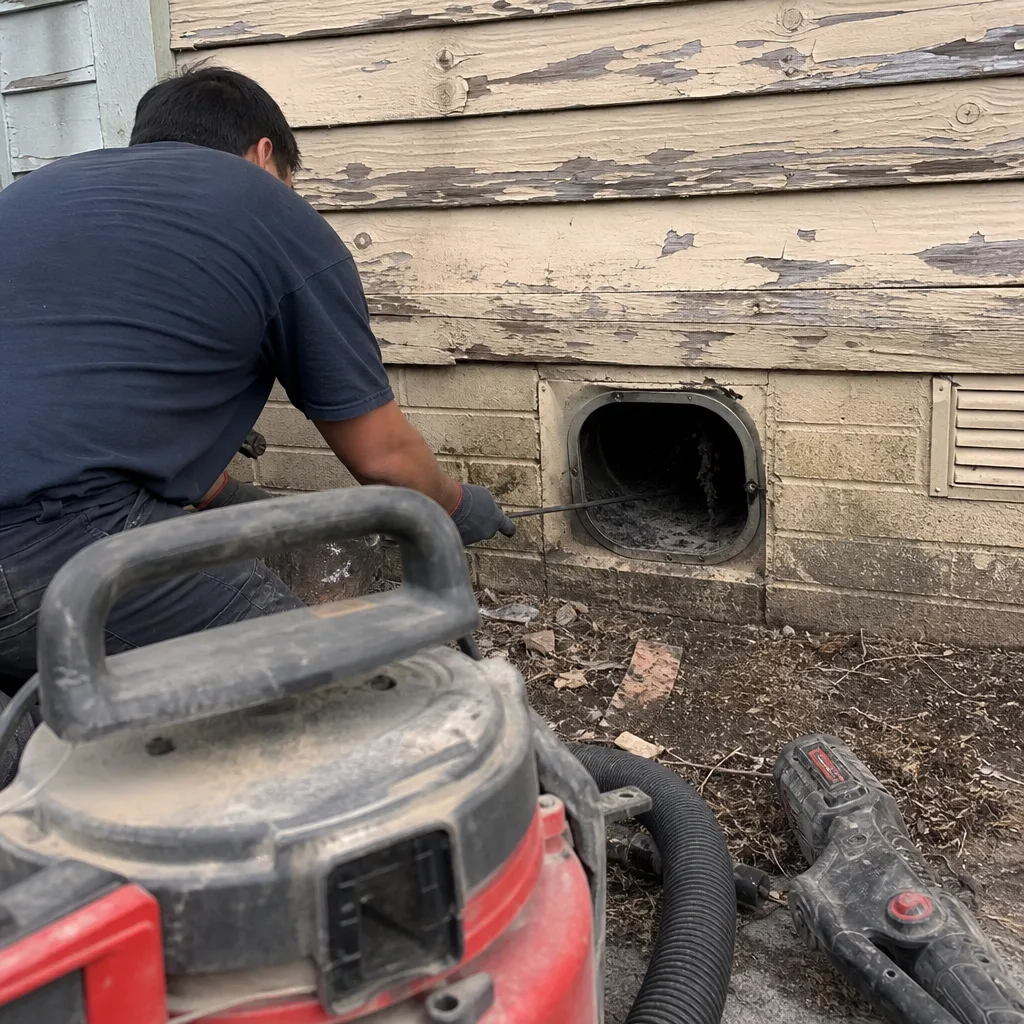 Before
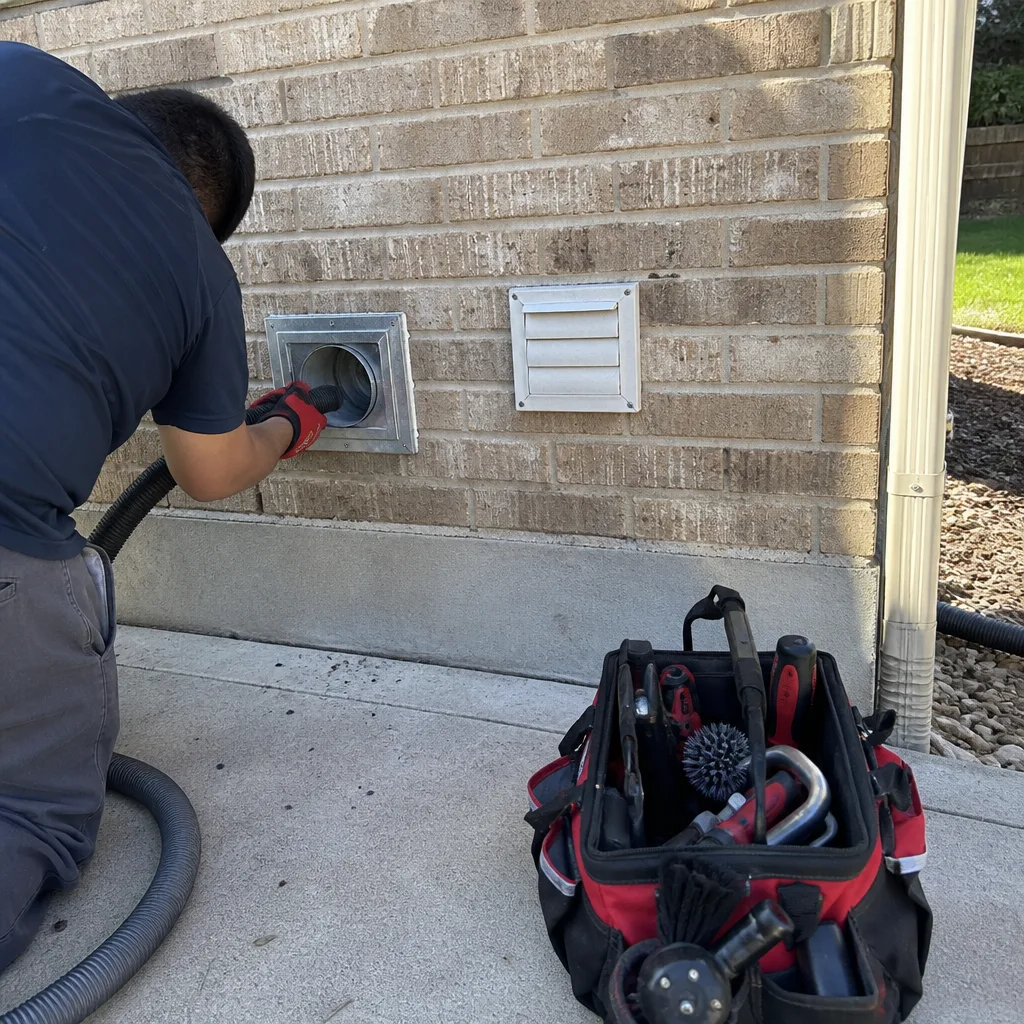 After
AfterAir Duct Cleaning Permits, Codes & Inspections in TX: What You Need to Know
Here’s the gap most Irving homeowners never see until it’s too late: Texas law does not require a license to clean air ducts, but the moment a technician cuts an access panel, replaces a collapsed flex duct section, or reseals a disconnected plenum, that work falls under TDLR’s air conditioning and refrigeration contractor regulations. We’ve arrived at jobs in Las Colinas and Valley Ranch where a “$99 whole-house special” turned into an unlicensed repair invoice because the crew discovered a separated duct run and “fixed” it on the spot without pulling a permit or holding the proper license. This guide-along with The Complete Guide to Air Duct Cleaning in Irving-shows exactly where Texas draws the line between cleaning and regulated HVAC work, how to verify who’s allowed to cross it, and what to do when they do it illegally.
Quick Answer
Air duct cleaning itself does not require a permit or contractor license in Texas. However, any repair, modification, or disconnection of ductwork, including cutting access panels or replacing flex duct sections, requires a TDLR-licensed air conditioning and refrigeration contractor. Irving follows state law with no additional local permit overlay for residential duct cleaning, though duct repair work may trigger permit requirements under Irving’s building code when structural or mechanical systems are altered.
Table of Contents
- What TDLR Covers and Doesn’t Cover: The Statutory Boundary
- When a Duct Cleaning Job Legally Becomes HVAC Work
- How to Verify a Contractor’s TDLR License Number
- Irving City Code Context: Local Overlays and Permit Triggers
- What to Do If a Technician Performs Unlicensed Repair Work
- Documenting Your Job: Photos, Scopes, and Written Records
- Common Mistakes to Avoid
- When to Call a Professional
- Frequently Asked Questions
- The Bottom Line
BeforeAfterWhat TDLR Covers and Doesn’t Cover: The Statutory Boundary
Texas Occupations Code Chapter 1302 governs air conditioning and refrigeration contracting. The statute defines regulated work as “installing, maintaining, repairing, replacing, or modifying” equipment or ductwork that is part of a heating or cooling system. The key word is modifying. Cleaning, by itself, does not appear in that list.
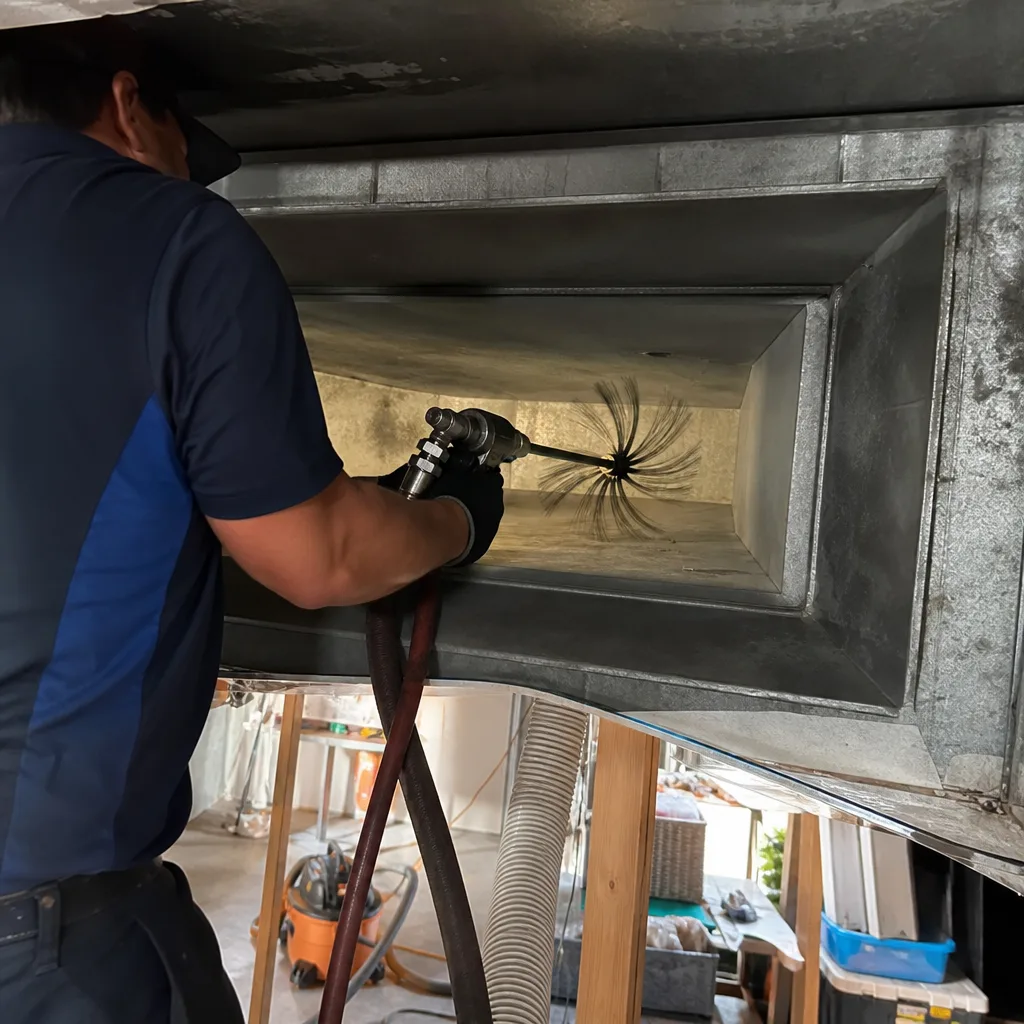
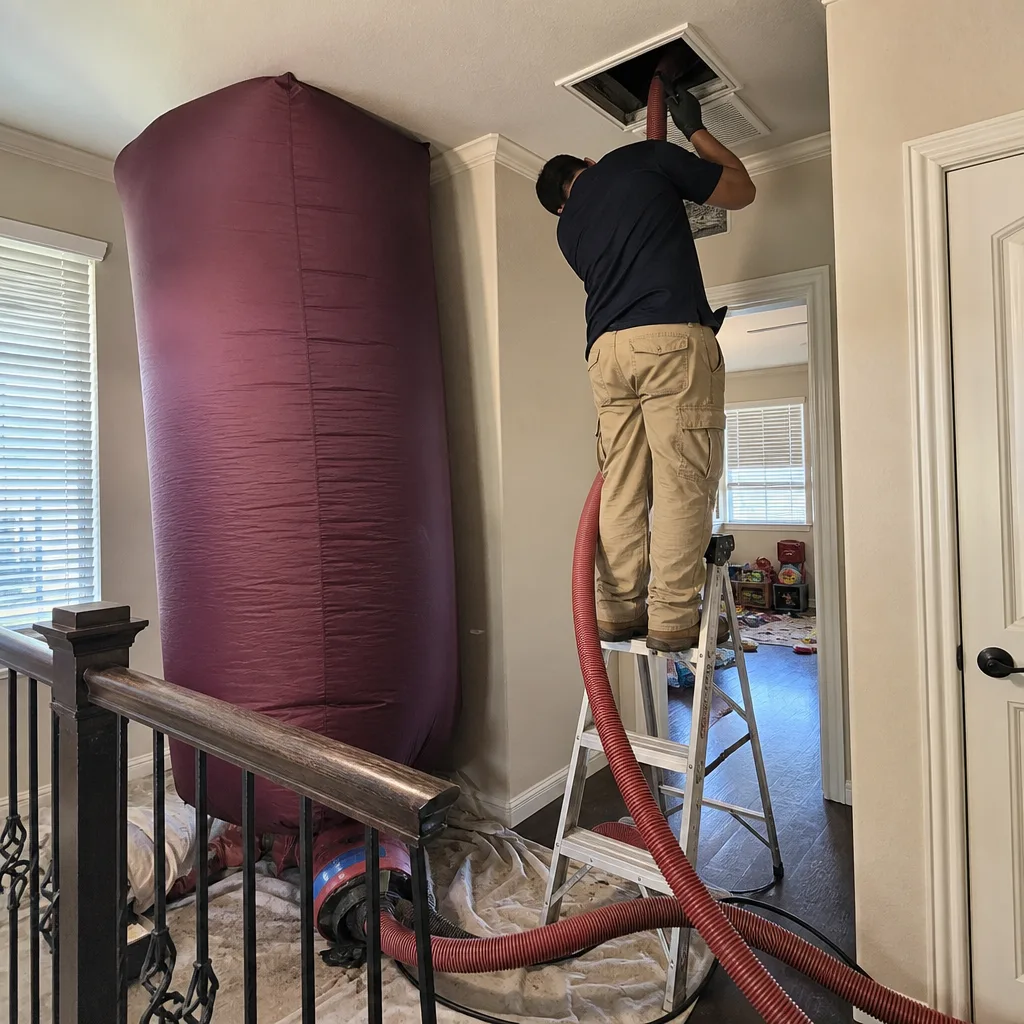
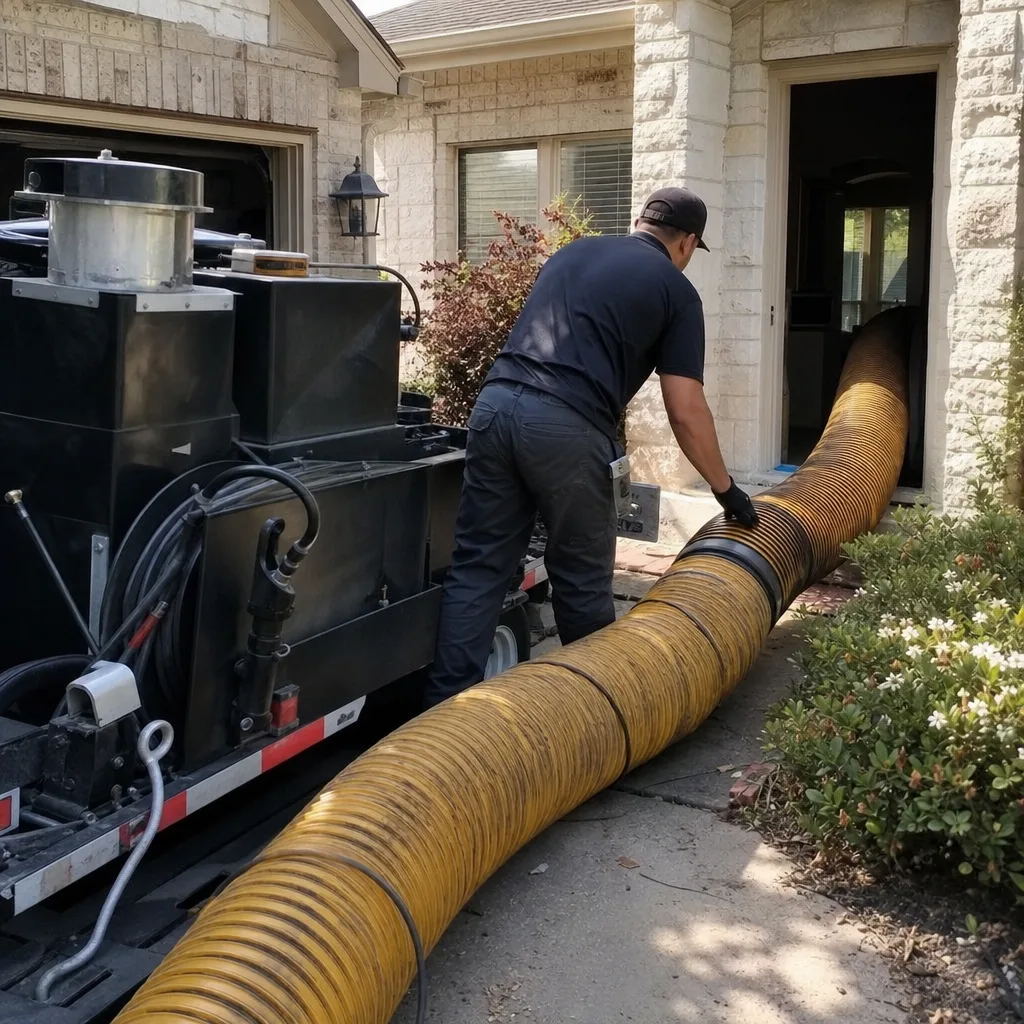
This creates a regulatory gray zone that unscrupulous operators exploit. A technician with no TDLR license can legally operate a negative-pressure extraction machine (a vacuum system that pulls debris from ducts while containing it) and agitate interior surfaces with rotary brushes. What they cannot legally do is remove a register to find a disconnected duct run and reconnect it, cut a new access panel into a plenum (the central distribution box that connects your air handler to the duct network), or replace a section of flex duct that has collapsed or torn.
We’ve seen the consequences in Irving homes, particularly in the older ranch-style builds north of Highway 183 where original ductwork from the 1970s and 1980s is failing, as detailed in Air Duct Cleaning Warning Signs: A Irving Homeowner’s Reference Guide. A cleaning crew without proper licensing discovers a separated connection, “fixes” it with tape or a quick seal, and leaves the homeowner with no permit record, no inspection trail, and potentially compromised airflow that strains the HVAC system. If that repair fails and causes moisture intrusion or mold growth, insurance claims become complicated because no licensed contractor performed the work.
The TDLR license classes that matter for ductwork are:
- Class A: Unlimited air conditioning and refrigeration work, including all duct modifications
- Class B: Limited to systems of 25 tons or less cooling capacity, which covers virtually all residential systems in Irving
- Environmental Air (EA): A specialty endorsement for duct cleaning specifically, though this is less common and does not authorize repair work
CleanRun holds the appropriate TDLR licensing for duct repair and sealing work under the H.A.V.E.N. Standard, and that license number is published on every proposal we deliver. We do not perform repairs without documenting the scope in writing, and we do not blur the line between cleaning and regulated work.
When a Duct Cleaning Job Legally Becomes HVAC Work
The transition from unregulated cleaning to regulated HVAC work happens at specific, identifiable moments. Homeowners should recognize these triggers because they separate a legitimate cleaning service from a contractor operating outside their legal authority.
Access Panel Installation
To properly clean a duct run, technicians sometimes need to create an entry point where none exists. Cutting into a metal trunk line, duct board, or plenum to install an access panel is a modification under Chapter 1302. It alters the physical structure of the distribution system. A TDLR-licensed contractor must perform this work, and in many cases, the panel installation should be documented for future inspection.
Flex Duct Replacement
In Irving’s climate, where summer attic temperatures regularly exceed 140°F, flex duct insulation degrades and the inner liner tears. A cleaning crew that discovers a collapsed or torn flex duct section and replaces it is performing regulated HVAC work, not cleaning. The replacement involves disconnecting and reconnecting the duct to the plenum or register boot, which affects system airflow and static pressure.
Duct Board Resealing
Older Irving homes, especially in the original Valley Ranch developments built in the 1980s, used duct board extensively. When the foil facing separates or the fiberglass core is exposed, resealing with proper materials (mastic, not duct tape) constitutes repair and modification. The technician is restoring the duct’s structural integrity and air barrier, not merely removing debris.
Plenum Reconnection
The plenum is the sheet metal box that sits atop your air handler or furnace, distributing conditioned air into the trunk lines. If a cleaning inspection reveals a separated plenum connection, reconnecting it requires a licensed contractor. This is among the most commonly performed illegal repairs by unlicensed cleaning crews because the “fix” appears simple but affects the entire system’s pressure balance.
Register Boot Repair
The register boot is the fitting that transitions from the duct to your floor, wall, or ceiling register. If the boot has separated from the drywall or subfloor, or if the duct connection to the boot has failed, repair work crosses into TDLR territory.
At Air Duct Cleaning in Irving, our crews are trained to stop and document when they encounter these conditions. The customer receives a written scope change proposal, the repair is performed under our TDLR license, and the work is photographed before and after. Haven Standard Clause 1 applies: the written price for any additional work is delivered before that work begins.
How to Verify a Contractor’s TDLR License Number
Texas provides a free, public license lookup tool at TDLR.texas.gov. Every homeowner should use it before allowing any technician to modify ductwork. The process takes under two minutes and can prevent thousands in liability exposure.
- Obtain the license number. A legitimate contractor provides this without hesitation. CleanRun publishes ours on every written proposal and technician ID badge. If a technician deflects or claims the company is “covered under the owner’s license,” ask for that owner’s name and license number specifically.
- Visit TDLR.texas.gov and select “License Search.”
- Enter the license number or contractor name. The system returns the license class, status, expiration date, and any disciplinary history.
- Verify the license class matches the work. A Class B license covers residential duct modification. An Environmental Air endorsement alone does not authorize repairs. If the technician is performing work under someone else’s license, that relationship must be documented; TDLR requires the licensed contractor to be actively involved, not merely lend their number.
- Check for complaints or disciplinary actions. The lookup shows resolved and pending complaints. Multiple complaints involving unlicensed activity or permit violations are red flags.
- Confirm insurance. While not shown in the TDLR lookup, ask for a certificate of insurance. CleanRun carries general liability and workers’ compensation coverage, and we provide proof on request under Haven Standard Clause 2.
We’ve encountered competitors in the Irving market who present a business registration or sales tax permit as if it were a contractor license. These are not equivalent. Only the TDLR license authorizes duct modification work in Texas.
Irving City Code Context: Local Overlays and Permit Triggers
Irving operates under the 2021 International Mechanical Code with local amendments, administered by the Irving Building Inspection Division. For residential air duct cleaning, the city adds no permit requirement beyond state law. A cleaning service that performs no modifications can work without city involvement.
However, Irving’s building code does require permits for specific duct-related work:
- Duct repair affecting structural elements: If duct modification requires cutting into load-bearing framing, fire-blocking, or rated assemblies, a building permit and inspection are required.
- Air handler replacement with duct modification: When a new air handler is installed and the plenum or trunk connections are altered, mechanical and electrical permits apply.
- New duct runs in additions or renovations: Any new ductwork in a permitted construction project must be inspected as part of that project.
- Fire damper maintenance or replacement: Commercial and multi-family buildings with fire-rated duct assemblies require permit and inspection for damper work.
Irving’s single-family residential neighborhoods, from the established homes in Plymouth Park to newer construction in Las Colinas, generally do not trigger these overlays unless the work is part of a larger permitted project. The critical point for homeowners: if a cleaning contractor claims they “had to pull a permit” for routine duct cleaning, that claim deserves scrutiny. Either the work involved modifications they didn’t disclose, or the permit story is fabricated to justify a higher price.
Irving’s climate adds practical context. The city’s position in the Cross Timbers ecological region means clay soils that shift seasonally, stressing slab foundations and occasionally cracking duct runs embedded in or beneath them. When we inspect homes in the Cottonwood Valley area, we sometimes find separated duct connections caused by foundation movement. Repairing these requires both TDLR licensing and, if the repair involves accessing structural elements, coordination with Irving building inspections.
What to Do If a Technician Performs Unlicensed Repair Work
Discovering that unlicensed work was performed on your HVAC system creates both safety and legal exposure. Here’s the documentation and remediation process.
Immediate Documentation
Photograph everything before touching it. Capture the repaired area, any materials used, and the overall system configuration. Request all paperwork from the service: invoice, scope of work, technician name, and any claimed license numbers. If the company refuses to provide written documentation, note that refusal with dates and times.
Verify the License
Run the claimed license number through TDLR.texas.gov. If the number is invalid, belongs to someone else, or doesn’t cover the work performed, you have confirmed unlicensed activity.
Contact TDLR
File a complaint through TDLR’s online system or by calling their enforcement division. TDLR investigates unlicensed contracting actively, and complaints from homeowners initiate formal proceedings. Include your documentation, photos, and any communications with the company.
Notify Your Insurance
If the unlicensed repair caused damage, water intrusion, or mold growth, inform your homeowner’s insurance carrier. They may deny claims related to unlicensed work, but early notification preserves your options and creates a record if subrogation against the contractor becomes possible.
Have the Work Inspected
Engage a TDLR-licensed contractor to inspect the repair. At CleanRun, we provide this service under our Free Second Opinion policy: bring any competitor’s written estimate or invoice, and we’ll document what was actually done versus what was needed. If the work was improper, we provide a written scope to correct it, with pricing under Haven Standard Clause 1.
Potential Remedies
Texas law provides civil remedies for unlicensed contracting, including potential treble damages in some cases. TDLR can issue administrative penalties and cease-and-desist orders. Criminal prosecution is possible for repeat offenders. Your documentation strengthens all these paths.
We’ve assisted Irving homeowners through this process after discovering that a previous “cleaning” included illegal plenum repairs that were leaking conditioned air into the attic. The homeowner’s energy bills had spiked 40% over two summers before the problem was identified. Proper documentation of the unlicensed work supported both their TDLR complaint and their insurance claim.
Documenting Your Job: Photos, Scopes, and Written Records
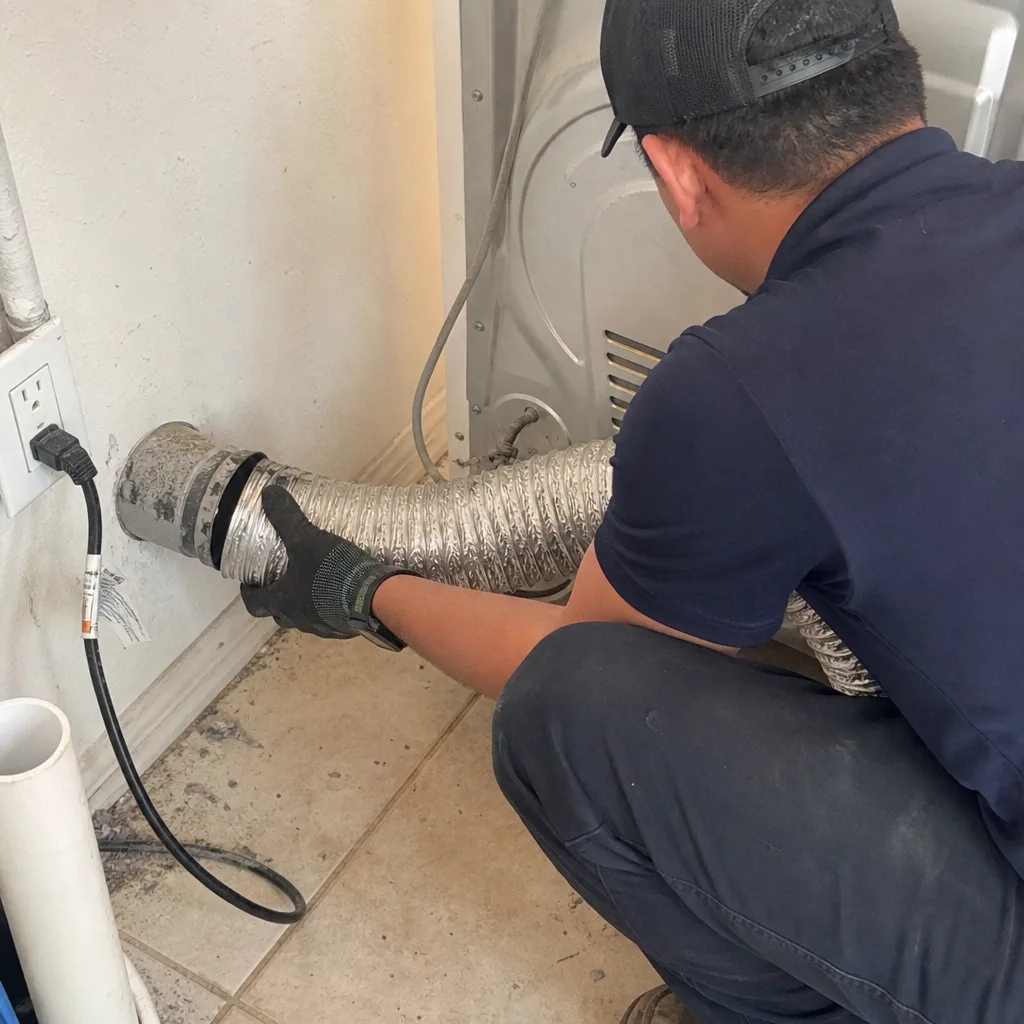
The best protection against unlicensed work is prevention through documentation. Every legitimate duct service should deliver a complete job record that proves what was done, by whom, and under what authority.
CleanRun’s standard deliverable on every visit includes:
- Written scope of work signed before work begins, specifying cleaning versus any repair or modification
- Documented Photo Record of every duct run, before and after, showing interior conditions with date and time stamps
- Technician identification including name, TDLR license status, and badge number under Haven Standard Clause 3: Verified Crews
- Equipment inventory noting which professional-grade tools were used, such as Rotobrush rotary systems, Nikro negative-pressure extractors, or Guardsman agitation devices
- Written price for all work, delivered before any work starts, per Haven Standard Clause 1
- 365-Day Done Right Promise in writing, specifying remedy process if any aspect of the work fails
This documentation serves multiple purposes. It proves the work was performed as described. It creates a baseline for future comparison. And it establishes that licensed, insured professionals performed any regulated modifications.
For Irving homeowners in particular, documentation matters because of our market conditions. The city’s housing stock spans decades, from mid-century ranch homes to new construction in the Urban Center. Duct conditions vary enormously, and without photographic evidence, a homeowner cannot verify that a cleaning addressed the actual problem or that a repair was necessary. We’ve returned to homes in the Hackberry Creek area where a previous service claimed “complete cleaning” but our camera showed untouched debris piles three feet from the access point. The prior company provided no photos. The homeowner had no recourse.
CleanRun Air Duct Cleaning Irving home maintains these records permanently. Customers can request their job history at any time, including photos from visits years prior. This is not a marketing promise; it is standard practice since our first job in 2013.
Common Mistakes to Avoid
- Assuming “certified” means licensed. NADCA certification, manufacturer training, or company “certifications” are not substitutes for TDLR licensure. Ask specifically for the Texas license number.
- Accepting verbal scope changes during service. If a technician discovers a problem mid-job, any repair should be documented in writing with a separate price before proceeding. Verbal authorizations create disputes.
- Paying for “access panel installation” without permit discussion. In Irving, significant duct modifications may require permit and inspection. If the contractor doesn’t mention this, they may be performing unpermitted work.
- Confusing equipment brands with contractor credentials. A company that mentions Rotobrush or Honeywell equipment is telling you what tools they use, not whether they’re legally authorized to modify your system. Verify both separately.
- Ignoring license expiration dates. TDLR licenses expire annually. A contractor working with an expired license is performing unlicensed activity even if they were previously legitimate.
- Failing to photograph the work area beforehand. Your own photos of system condition before service complement the contractor’s documentation and protect against disputes about pre-existing damage.
- Signing blank or incomplete proposals. Haven Standard Clause 1 exists because we’ve seen too many homeowners sign vague work orders that become inflated invoices. Every line item should be specified before signature.
When to Call a Professional
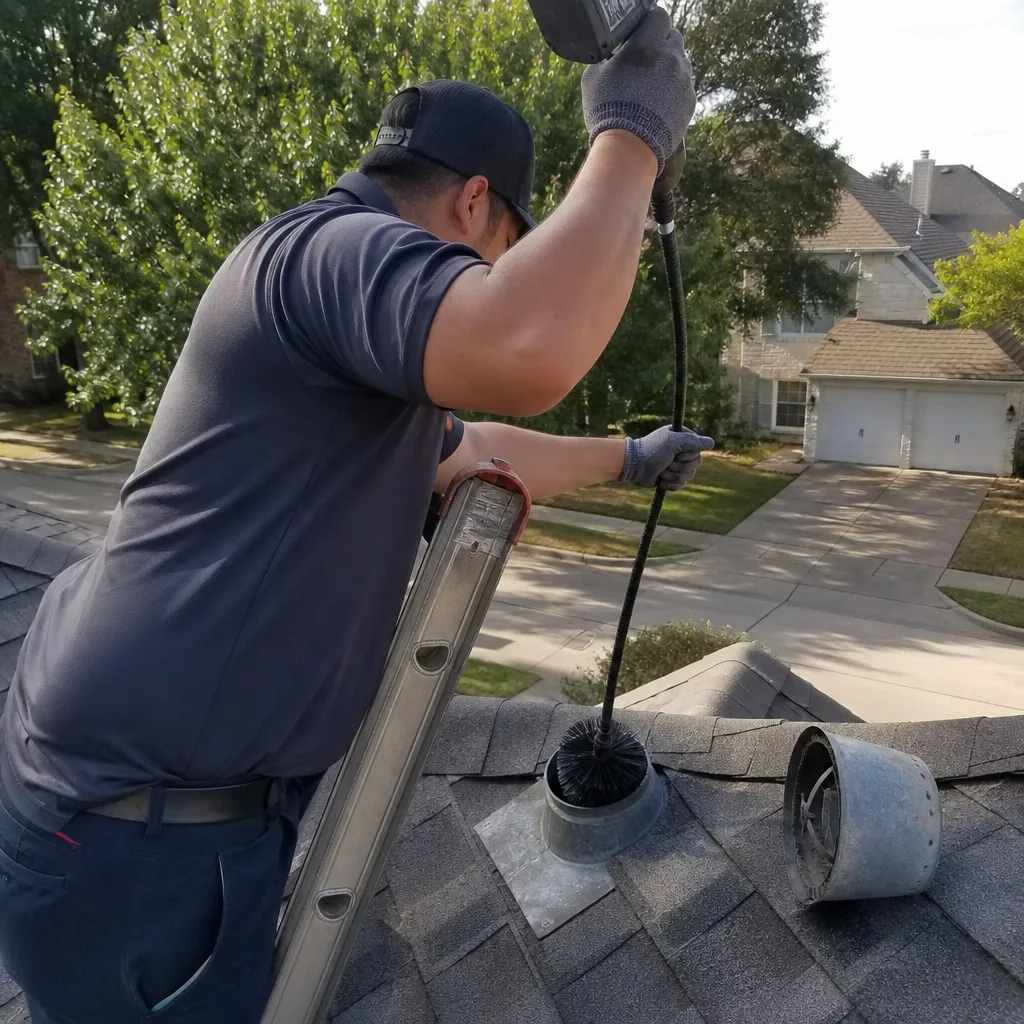
Call a TDLR-licensed contractor when your duct system needs more than debris removal. Specific scenarios include: visible duct damage or separation in your attic or crawl space; uneven heating or cooling that suggests duct leakage; a previous cleaning that included undisclosed “repairs”; or any plan to modify ductwork during a renovation.
CleanRun Air Duct Cleaning Irving offers free estimates in Irving. Our technicians arrive in uniform, identified by name, with license status verifiable before they enter your home. Every proposal includes a written price before work begins, a Documented Photo Record of every duct run, and the 365-Day Done Right Promise in writing. For duct repair and sealing work, we perform under our TDLR license with full permit compliance when required. Call (682) 297-4068 to schedule.
Frequently Asked Questions
No. Pure air duct cleaning, defined as debris removal without modification to duct structure, does not require a permit or contractor license in Texas. However, any repair, access panel installation, or duct replacement crosses into regulated HVAC work requiring TDLR licensure and potentially local permits. If you’re unsure whether your job involves regulated work, call (682) 297-4068 and we’ll assess it at no charge.
Request their TDLR air conditioning and refrigeration contractor license number and verify it at TDLR.texas.gov. The license class must match the work: Class A or B for duct modifications, or Environmental Air endorsement for cleaning specifically. CleanRun publishes our license number on every proposal and technician badge under Haven Standard Clause 3: Verified Crews.
The work may be unsafe, uninsurable, and legally unenforceable. Document everything, verify the license status, file a TDLR complaint, and have a licensed contractor inspect the repair. Your homeowner’s insurance may deny claims related to unlicensed work. CleanRun provides Free Second Opinions on any competitor’s written estimate or invoice to assess whether proper licensing was followed.
No. Irving follows state law and does not require a city permit for air duct cleaning that involves no structural or mechanical modifications. Duct repair work that affects load-bearing elements, fire-rated assemblies, or is part of a larger permitted project may require Irving building inspection involvement. We coordinate permits when our repair scope triggers these requirements.
Access panels allow proper cleaning of duct runs that lack existing entry points. However, cutting and installing an access panel is a modification under TDLR regulations, not cleaning. It should be performed by a licensed contractor, documented in writing, and may require permit depending on location and materials. Be wary of companies that treat this as an unpriced add-on rather than a scoped, priced modification.
Demand a documented photo record showing the interior of every duct run before and after service, with date and time stamps. CleanRun includes this as standard on every visit, delivered as part of the job record. Without photographic evidence, you have no verification that debris was removed or that claimed repairs were performed. This documentation also establishes a baseline for future comparison.
Professional-grade negative-pressure extraction systems, rotary agitation devices, and HEPA containment. Named brands you can verify include Rotobrush rotary systems, Nikro extractors, Abatement Technologies containment equipment, and Guardsman agitation tools. Equipment alone doesn’t prove legitimacy, but unnamed or consumer-grade shop vacuums are insufficient for whole-system cleaning and suggest a low-quality operation.
The Bottom Line
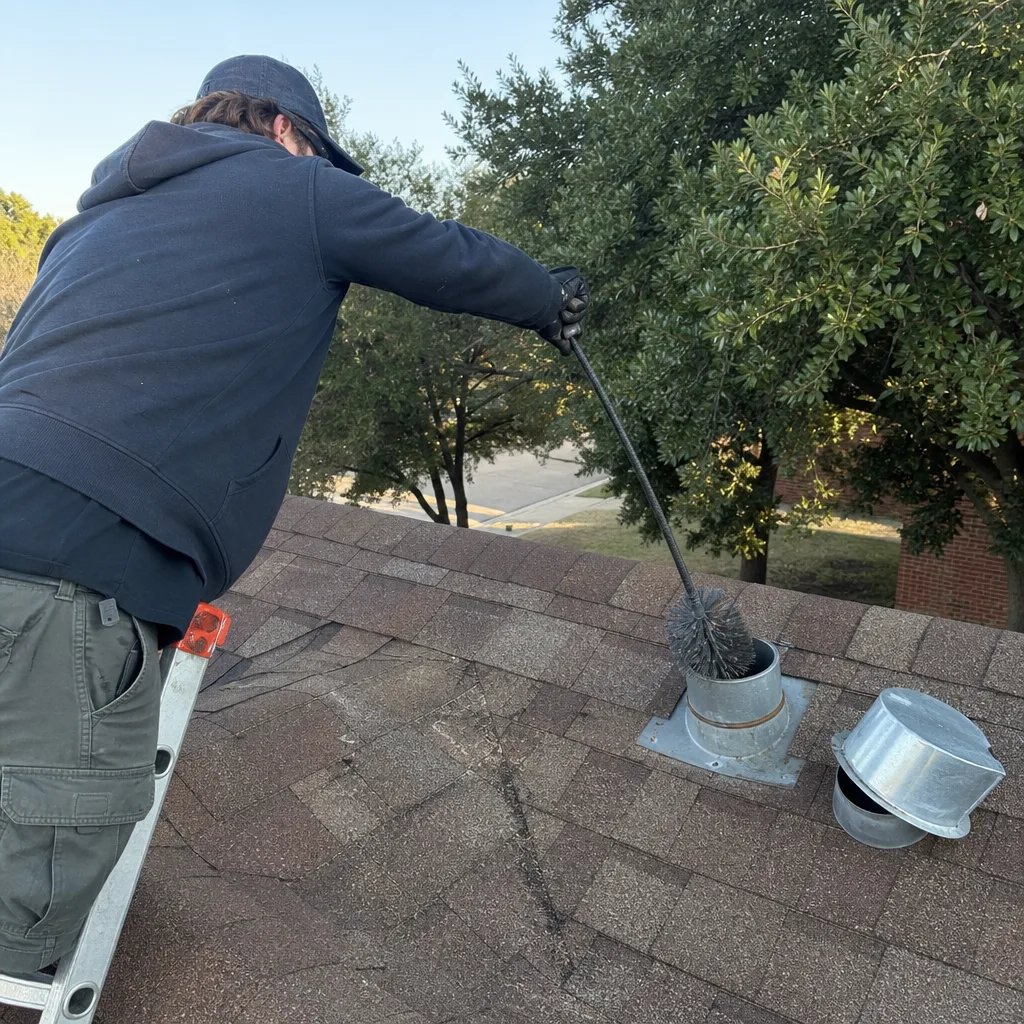
Texas draws a clear statutory line: cleaning is unregulated, but modification requires a TDLR license. The problem for Irving homeowners is that this line is invisible during a service call until work is already underway. Protect yourself by verifying licenses before work begins, demanding written scopes that distinguish cleaning from repair, and insisting on photographic documentation of every duct run. For more guides & resources on protecting yourself, see our blog. The companies that resist this transparency are the ones most likely to perform illegal work and disappear when problems emerge. CleanRun has operated under the opposite standard since 2013: every job starts with a written price, every duct run is photographed, and every technician is verified and identifiable. That’s the H.A.V.E.N. Standard, and it’s documented in writing, not promised in a sales pitch.
Written by Tomas Reyes, Owner at CleanRun Air Duct Cleaning Irving, serving Irving since 2013.